苹果醋对控制血糖水平非常有效,但说实话,它并不是最美味的饮品 🥴
这些软糖是美味的餐前零食,对增进您的健康和平衡您的血糖有很多好处🧡
在 Instagram 上查看此帖子

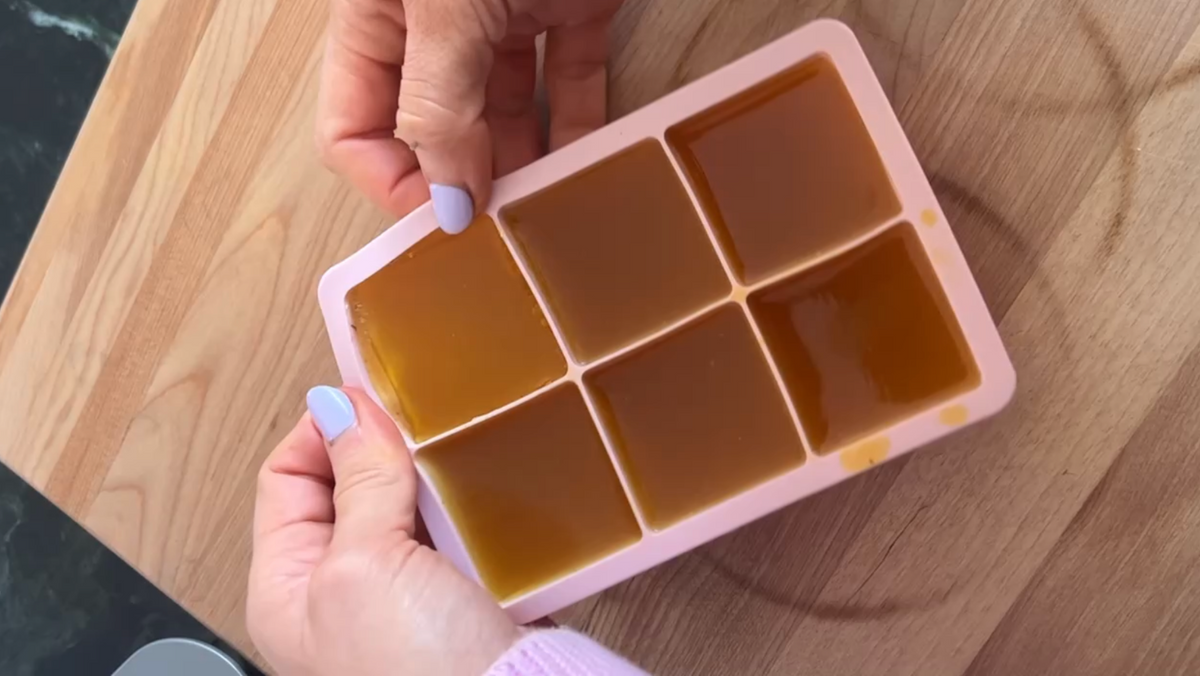
苹果醋对控制血糖水平非常有效,但说实话,它并不是最美味的饮品 🥴
这些软糖是美味的餐前零食,对增进您的健康和平衡您的血糖有很多好处🧡
在 Instagram 上查看此帖子

In 2019 Eve Wellness opened the Eve hormone testing lab. We tested 18 different hormone markers and metabolites via urine samples from over 2,500 women, aged 14 to 60, using dried urine testing, a method increasingly used by nutritionists and functional health practitioners to look at hormone metabolites, cycle patterns and adrenal output. Women received their results in easy to understand graphs and language, explaining their hormones and cycle to them. These results were paired with diet, lifestyle and supplement recommendations crafted by our team of Clinical Nutritionists. This is our own data, from our own customers. It’s not an independent or peer-reviewed study. But it's a real, sizable dataset, and the patterns uncovered across thousands of women is worth treating with curiosity. We weren't looking to tell a story; we just wanted to help women feel better and more empowered around their bodies and experiences. However, we ended up seeing a story emerge from the data anyway, as we learned what women's hormones actually looked like, at scale, in real life. Most women aren't producing enough progesterone, even when they've ovulated The biggest surprise was that women, en masse, are often reaching lower progesterone levels than typical population benchmark ranges* suggest we should. Among women in their 20s, who tested on day 21 of a 28-day cycle (or the equivalent point for longer, shorter, or irregular cycles), 7 in 10 came back with progesterone below the expected range for that phase. In women in their 30s, it was just over half. Day 21 is meant to be progesterone's moment to shine. This is the week after ovulation when the body should be producing plenty of it to support a possible pregnancy and keep the rest of the cycle steady. But the reality for most women Eve tested, it was tracking much lower than we’d expected. Low progesterone in the second half of the cycle is relevant for fertility and those trying to conceive, but is also linked to low or nervous moods (hello PMS), disrupted sleep, and heavier or more painful periods. These types of things are signs the second half of the cycle isn't getting the hormonal support it needs from progesterone. It’s worth noting that most people who chose to do a hormone test were experiencing something that prompted them to do so: tricky periods, period pain, irregular periods, mood swings, hormonal acne, fertility worries, or fatigue. So this is a sample of women, it's a sample of women who suspected their hormones might be playing a role in their day to day health picture. We're absolutely not saying every one of these women has a problem. But when the majority of a 1,600+ woman sample shows the same gap, we believe that it's worth paying attention. Testosterone drops with age, but that's not a failing on women Testosterone is part of what gives us drive, motivation, and physical stamina. Testing showed that this hormone falls steadily in women from the teenage years onward. However, that's expected. It's meant to happen. Our levels of this hormone naturally relax over time. But the fact that women are still sold the message that we need to be just as energised, bubbly, and driven as when we were 25, is the opposite of helpful. It’s yet another example of us putting unrealistic expectations on women, and then telling us we’re not enough when we don’t achieve those lofty heights. So if you've got less energy for the gym, less patience, or less appetite for pushing through on four hours' sleep than you did a decade ago, that might not be something you need to ‘fix’ about yourself. It might be your hormones doing exactly what they're supposed to do, and nobody telling you that was ok. Our adrenal systems are working overtime We also looked at the byproducts of adrenal hormone processing: markers (such as etiocholanolone) that show how hard the adrenal glands are working to keep up with androgen and stress-hormone demand. Etiocholanolone isn't cortisol itself, and we didn't measure cortisol directly in this dataset, but it's produced via the same enzyme pathways the body uses to clear cortisol, so it's the clearest window to reference around how hard our stress-response systems are working. Roughly a quarter to a third of women across every age group showed elevated adrenal output. This ramps up when our bodies are under sustained pressure, and can’t effectively tell the difference between a genuine threat and a decade of back-to-back deadlines, broken sleep, and never quite switching off. What this means is that the ‘machinery’ that processes our stress-related hormones is visibly busier than you'd expect in a population that isn't “unwell”. Our findings aren’t a conclusion, but rather an invitation to get curious A single dried urine test is a handy snapshot, but our customer testing data shows us scale. When patterns repeat across thousands of women, it’s worth taking a moment to pause and consider. The story behind the stats Ultimately, this isn’t really about progesterone or testosterone or adrenal metabolites. Those are the proofpoints, sure, but to us it’s really about the picture of women’s health that is painted through these details. The story we see is this: The lives we’re living today are not supportive of our hormonal systems. I hear you saying: ‘tell me something I don’t know!’. But when you see the actual data, at scale, it hits different. It hits deeper. Our bodies and systems are built for a slower, less relentless kind of life. Life and its demands and expectations on us have accelerated increasingly over the past 200 years or so, but our genetics don’t evolve at the same rate. In a world telling you that you’re not enough, this story actually says otherwise. It says that if you’re finding life a bit challenging and you’re not feeling your best, it’s not your fault. You’re not actually supposed to be finding it all easy-breezy. We don’t need to judge ourselves for not being a perfect unwrinkled, toned picture of health and vitality. Sure, we can strive to be the best version of ourselves, but we should do it with compassion. No one is finding it easy. We’re all climbing our own mountains and that’s ok. The wellness industry should be here to give you a helping hand when you need it. Not to be another thing telling you you’re not enough. That’s the space Eve aims to occupy, coming from a true, data-backed understanding of women and what we’re up against. *The reference ranges used were developed from generalised published ranges, not ranges built specifically from this population, so "below range" basically means "outside a typical benchmark".
了解更多
Super Hungry Before Your Period? This Is Why Want a sweet and short version? We've got you. Read it here. Not all that long ago, researchers figured out something that women have known first-hand for a long time—we naturally eat more or less during different phases of our menstrual cycle. While sometimes a smoothie for breakfast is all you need, other days you’re hangry and on the hunt for a second breakfast by 9am. Sound familiar? If so, keep reading because we’re about to dive into: The 4 phases of your cycle, How each of these affect your appetite, And how much food your body will be asking for to feel full, satisfied and well fuelled. We’ll also touch on the foods that you’ll want to be fuelling up on the most in each phase. We’ll talk you through an average 28 day cycle, but of course you might not be ‘average’ and that’s totally cool. Generally, any cycle length between 21 - 35 days is considered ‘normal’. So if yours is longer or shorter than 28 days, that’s cool too. The sex hormones that make you hungry (or not) The two key appetite-affecting hormones that rise and fall throughout the month are: Oestrogen Oestrogen is a mood booster (yay!), and appetite reducer. Oestrogen also increases insulin sensitivity, which means that if you’re a fan of carbs, oestrogen - in the right amounts - is on your side. Progesterone Our lovely soothing and balancing hormone. Progesterone increases core body temperature and ramps up your metabolism & appetite, all while supporting total body relaxation. This translates to your body naturally wanting you to eat more, and do less. Period & Early Follicular Phase (Roughly Days 1-6) The first day of your cycle is the day your period arrives. At this time of your cycle, both oestrogen and progesterone are at their lowest levels. We find that many women may also experience inflammation that causes pain, swelling/bloating or a general uncomfy feeling around your lower belly. Menstruation is a time where appetite differs from woman to woman, depending on their period. Some find inflammation and symptoms such as pain, nausea and fatigue dulls their appetite, whereas for others, this is when cravings for anything and everything occur. Foods you’ll want to maximise in this phase are: Anti-inflammatory foods, such as leafy greens, turmeric, salmon and olive oil. Iron rich foods, such as free range and organic sources of red meat, leafy greens such as spinach and kale, and legumes & gluten free grains (if tolerated). Healthy comfort foods. No, we’re not talking about crying into a pint of ice cream. But if warming, comforting foods such as porridge, gluten free toast or mashed potatoes make this these few days more bearable, then you go girlfriend. Follicular Phase (Roughly Days 6-13) Your period has now been and gone, along with any pain or inflammation that came with it, and oestrogen and testosterone are on the rise; making you feel confident, energetic and sexy. If this time of the month was a season it would be summer. It’s generally a pretty sweet time that everyone looks forward to, and you might find yourself feeling more extroverted and social. Higher levels of oestrogen can often mean that your appetite may be a little lighter in this phase. Just like in the heat of summer, you might find your body craves lighter, fresh meals such as smoothies and salads; and finds these foods nicely satisfying. Another wonderful function of oestrogen is its effect on insulin sensitivity. The first half of your cycle will generally see your body using carbohydrates for fuel more efficiently, meaning you may do well by including a few more quality carbs in your diet around this time (sweet potato, whole grain or steel cut oats, gluten-free grains etc). Foods your body will love during this phase are: Eating the rainbow. Important at every time of the month but with an oestrogen and insulin working in your favour, you might find fresh fruits and vegetables particularly nourishing and satisfying in the follicular phase. Foods rich in zinc, such as oysters, pumpkin seeds and red meat. Zinc nourishes ovarian follicles and supports healthy ovulation and progesterone production, which is very important to prepare for the next phase of your cycle... Flaxseeds. High in lignans, flaxseeds naturally support oestrogen balance by gently assisting oestrogen production and excretion where necessary. Ovulation & Early Luteal Phase (Roughly Days 14-22) The second half of the cycle that follows ovulation sees oestrogen levels drop and progesterone levels rise. The progesterone surge that happens after ovulation raises your core body temperature. When your body temperature ramps up, so does your metabolism. Because of this, women generally have a stronger appetite and more cravings in the second half of their cycles. Please note that this increase in appetite is nothing to fear! With a higher metabolism during this phase, your body is perfectly prepared to deal with some extra fuel. With lower levels of oestrogen, insulin sensitivity and carbohydrate tolerance are also reduced. This means that your body will now favour fat for fuel over carbs (glycogen). At this time, your body will thank you for fuelling it with: Healthy fats, such as avocado, salmon, nuts, and extra virgin olive & coconut oils. These keep your blood sugars nice and stable and cravings at bay. You should avoid vegetable oils such as canola, rice bran and sunflower for the entire duration of your cycle. Fibre & water, to keep you regular. The total body relaxation effect of progesterone can also affect the bowels and can slow things down enough to lead to mild constipation in some women. Fiber and water consumption is also important for getting rid of any oestrogen the body no longer needs. Late Luteal Phase (Roughly Days 23-28) The days before your period are when PMS can stop by to say hello and things really start to get interesting! Both oestrogen and progesterone are on the decline, with progesterone remaining the dominant hormone (ideally, if your hormones are optimally balanced). This hormone picture is why many women find themselves particularly ravenous in the days before both hormones plummet and their period arrives. As your hormones take a dive, so can your energy levels, mood and mojo. It’s particularly important to listen to your body and rest when you need to in this phase of your cycle. During this phase, food that will serve you include: Quality sources of protein at every meal, such as free range meats & poultry, wild caught seafood, eggs and legumes. As an added bonus these are also loaded with vitamin B6, which supports serotonin production (goodbye PMS related low moods) and detoxification of excess oestrogen that your bod no longer needs. Magnesium rich foods, such as leafy greens, avocado, cacao and nuts & seeds. This wonder nutrient regulates stress hormones, enhances the calming action of progesterone and helps with menstrual cramps. The bottom line: A strong appetite is not a bad thing When our hormones are nicely balanced, and are rising and falling at the right times, these subtle shifts in appetite are a good thing! The female body is smart. It knows what it’s doing and when it needs slightly more or less fuel to do its job. Your job is to trust it and to go with your body’s flow - without judgement, and with love. A strong appetite isn’t a bad thing. Even if our diet culture may have taught you that it is. It’s really a sign of a healthy body that wants enough energy to show you just how well it can function with enough of the right kind of fuel. Knowledge of what’s going on inside your body really is power here. When you understand what’s going on with your hormones, you can also understand why this shows up as it does.
了解更多
20 世纪 50 年代避孕药的发明对女性生育自由来说无疑是革命性的。历史上第一次出现了一种可靠、方便、以女性为主导的避孕方法,这意味着男女都可以享受性生活而不会怀孕(耶!)。 这种自由意味着我们中的更多人可以更好地掌控自己的生活和安排自己的时间。我们现在有了平衡生活各个方面的工具:我们可以上大学,拥有职业生涯,并决定何时要孩子,而不是听天由命。 如今,近 70 年过去了,避孕药已成为最常用的避孕方式。然而,我们中的许多人对避孕药的工作原理以及它的主要功能对我们身体的意义知之甚少。因此,如果避孕药适合我们,我们如何才能确保我们余生的平衡,以便我们尽可能多地从避孕药中获益——既能避免怀孕,又能保持整体健康。 尽可能多地了解避孕药(和其他避孕方式)有助于你对自己的身体做出明智的决定。这就是我们的目的! 在我们开始讨论之前,我们想澄清几件事:我们不是反对避孕药,我们只是非常支持信息! 这里分享的所有信息都是一般意义上的,您的全科医生最适合与您谈论您在这方面的具体需求,因此在做出任何医疗决定之前,请务必与他们交谈。 药丸简介 该药丸主要发挥三大作用: 它会扰乱大脑和卵巢之间的通讯,从而阻止每月排卵。 它会使宫颈粘液变稠,使精子的旅程更加困难; 它会使子宫内膜变薄,从而降低潜在胚胎的生存条件。 从科学的角度来说,它通过阻止雌激素和孕激素的产生来实现这些功能,而这些激素与大多数激素一样,在婴儿世界之外还发挥许多不同的功能。 它们在我们的情绪、能量水平、性欲、新陈代谢以及皮肤、大脑和骨骼的健康中发挥着关键作用。 我们不知道您怎么想,但这些都是我们很想保留的东西。 服用避孕药后的身体状况 因此,虽然避孕药在发挥预防怀孕所需的关键功能,但其负面影响是它会影响人体日常功能所必需的关键维生素、营养素和矿物质的代谢(或加工)。 根据世界卫生组织 (WHO) 的说法,服用避孕药时身体可能消耗的营养素包括:维生素 B2、B6、B12 和 9(叶酸)和维生素 E,以及矿物质镁、硒和锌。由于我们已经很难满足身体对这些营养素的需求,因此仅靠饮食很难补充消耗的营养,更不用说服用避孕药了。 提供一些急需的支持 好消息是,如果您认为口服避孕药是您的最佳选择,并能保持安全性行为和健康之间的平衡,那么有一些简单的方法可以为您的身体提供额外的帮助。 补充营养储备 上述维生素、营养素和矿物质都可以以补充剂的形式服用,这样您就可以确保每天摄入足够的剂量。这就是我们制作Take Me With The Pill 的原因。这些营养素的功能广泛而多样,因此我们必须充足地摄入它们: B 族维生素,特别是 B2、B6、B12 和 B9:这些 B 族维生素直接影响能量水平、大脑功能、细胞代谢和排毒,是健康身体的基石。 维生素 E:维生素 E 以其强大的抗氧化和抗炎特性而闻名,它支持免疫功能和细胞再生。如果你愿意的话,它是一种抗衰老维生素。 镁:镁是一种能带来寒意的营养物质,它在全身放松、血糖平衡、能量产生和获得梦寐以求的恢复性睡眠方面起着关键作用。 硒:一种强大的抗氧化剂,支持肝功能和激素解毒,最为人所知的是它对甲状腺功能的有益作用。 锌:一种微量矿物质,是体内 300 多种酶(化学)反应所必需的。我们喜欢锌的原因包括它有助于支持免疫系统、排卵和皮肤健康。 爱你的肝脏 肝脏在人体的消化过程中起着至关重要的作用。通俗地说,它从你吃的任何食物中获取你需要的一切,并帮助身体处理它们。除了食物,它还负责药物的消化——包括药丸中的激素。使这项工作(处理和解毒雌激素)更容易被肝脏完成的化合物称为二吲哚甲烷。它在十字花科蔬菜中含量特别丰富。其中包括花椰菜、卷心菜、羽衣甘蓝、萝卜、白菜和抱子甘蓝,所以尽可能多吃绿色蔬菜。
了解更多您的购物车目前是空的。