夏娃博客
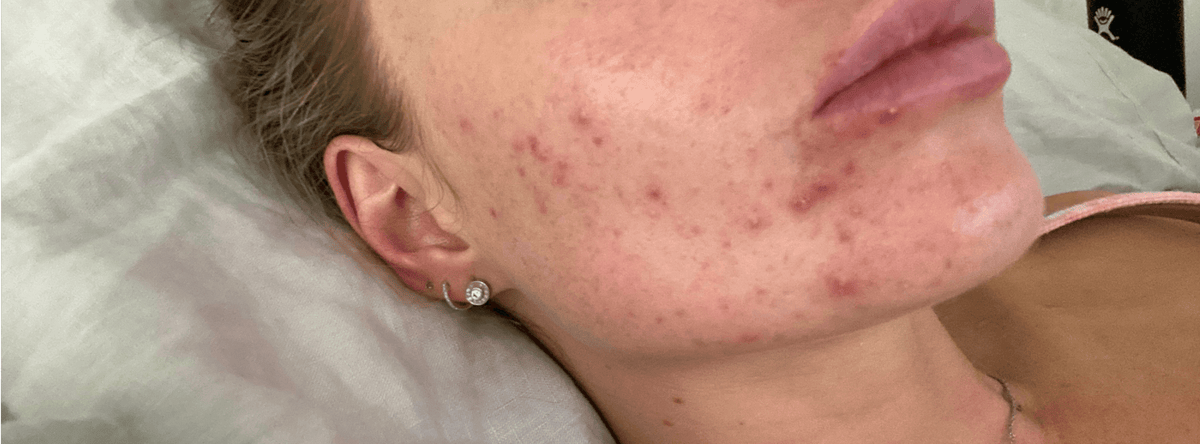

Can orgasms actually help with period pain? (yes, and here's the science)
If you needed a scientifically backed excuse to lean into your libido during your period, this might be it. Here are some of the most commonly asked (or quietly searched 👀) questions about periods and orgasms - along with what’s actually going on in your body. Can orgasms help with period pain? Orgasms release dopamine, a neurotransmitter that increases your pain tolerance and reduces cramp intensity. The science: When you climax, your brain releases dopamine, a chemical messenger involved in how your body processes pain. More dopamine means a higher pain tolerance, which means less cramping. That's not a wellness myth, that's your own chemistry doing its thing. Endorphins released during orgasm also improve blood flow to the uterus, which helps ease cramps further and promotes relaxation. The combination of the two is why a lot of people notice they feel genuinely better after sex or masturbation during their period. Why do you feel more turned on during your period? Summary: It's hormonal. Oestrogen rises as your period starts while progesterone stays low, which drives a higher sex drive during this phase. The science: Before your period arrives, both oestrogen and progesterone drop sharply. Once bleeding starts, oestrogen begins to climb again while progesterone stays low. That specific hormonal combination is what causes a noticeably higher libido for many people during menstruation. Your body isn't being strange. It's being quite deliberate. Can orgasms make your period end faster? Summary: Possibly. Oxytocin released during orgasm causes uterine contractions that may help push blood out more quickly. The science: When you orgasm, your body releases oxytocin, the hormone responsible for controlling uterine contractions. Those contractions during climax are thought to help the uterus expel blood faster. Researchers haven't fully confirmed the mechanism yet, but the pattern is well-documented enough that it's unlikely to be coincidence. If you've ever noticed your period seemed lighter or shorter after sex, that's probably why. Are orgasms during your period actually better? Summary: Often, yes. Increased blood flow during menstruation raises genital sensitivity, which can make orgasms feel more intense than usual. The science: Menstruation increases blood flow and circulation throughout the pelvic region, which also increases arousal and sensitivity. The result is that orgasms during your period can feel noticeably stronger than at other points in your cycle. Your body has set up quite the incentive structure here. ...What about the mess? Summary: Manageable. Menstrual discs and cups sit high enough to contain blood during sex or with toys. The science: If the appeal is there but the practicalities feel off-putting, menstrual discs and cups sit higher in the vaginal canal and can contain blood during internal penetration. Worth knowing if that's the thing holding you back. Just note they are not a form of contraception, and STI protection still applies during period sex. In summary… Your period and your sex drive are more connected than most of us were ever taught. And acting on the desire can be really helpful for pain, sleep, cycle length, and mood. School sex-ed skipped this one entirely. We're catching you up.
了解更多
Why carbs hit different in certain parts of your cycle
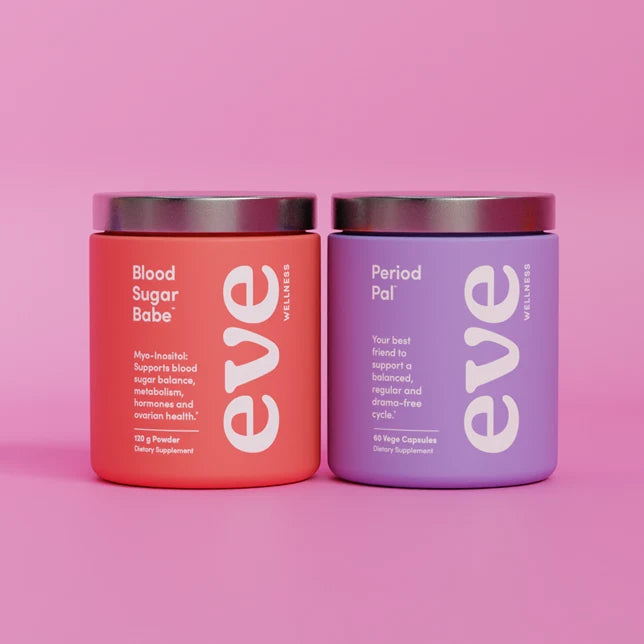
When is the best time in your cycle to eat carbs? (and this is it) If you’ve ever felt like carbs hit differently at certain times of the month… you’re not wrong. During the follicular phase (after your period), oestrogen rises. This makes your body more insulin sensitive, meaning you can use carbs more efficiently for energy. What that means for you Your body handles carbs better Energy and mood feel more stable Workouts can feel stronger and more productive This is the phase where your body is primed to use fuel, not store it. The takeaway Carbs aren’t the enemy. Timing matters. Your follicular phase is the sweet spot to enjoy them, fuel your body, and feel the benefits. Want a little extra support? Blood Sugar Babe supports healthy blood sugar balance and glucose metabolism, helping your body use carbohydrates more efficiently and keep energy levels steady. Want a deeper dive on how your cycle affects carbs, energy and performance? Read more here.
了解更多
Women Aren’t Smaller Men. Our nutrition shouldn’t be either.
Evies, this one has been a long time coming. For years I’ve wanted to create a multivitamin that actually made sense for women. Not a pink version of a men’s supplement. Just a really well built daily foundation for women’s bodies. Because when you strip it back, a good multi is one of the most practical things you can take if you’re a woman living a normal, busy life. The problem is, most of the ones out there weren’t really made for us. When we looked at standard options on the shelf, we wanted to ensure we prioritized optimal nutrient forms and meaningful daily doses., Or formulas that felt like they were designed for men but had a women's label. And that’s kind of the issue. For a long time in nutrition and research, women were basically treated like smaller men. Same recommendations, same formulas, same approach. Just scaled down. But our bodies don’t work like that. Our hormones shift constantly. Our nutritional needs change across different life stages, seasons, and activity levels. Yet most multis still ignore that. So we decided to build one properly. Women’s Multi + Iron s designed to provide comprehensive daily nutritional support. It includes bioavailable iron to support everyday energy levels, plus key vitamins and minerals women commonly run low on. The forms are body-ready, as our scientist would say 'bioavailable'. The doses are there for a reason. And every ingredient has a clear job to do. Just solid daily support in the background so your body has the basics covered, even on the weeks where life is busy and your diet isn’t perfect. A good multi simply helps cover the basics when life doesn’t. I’m really proud of this one. I hope you love it as much as I do. Bea Founder, Eve Wellness
了解更多
It's Our Birthday: A Note From Bea
I can’t quite believe this… Eve is about to turn seven. Seven years of conversations, questions, lightbulb moments, frustrations, breakthroughs and most importantly, you. And because gift-giving has always been our love language, it only feels right that we celebrate by giving back...make sure you're on our website at 7pm, Tuesday 3rd February. If you’re new here, let me take you back for a moment.Years ago, I was deep in post-pill chaos. Irregular cycles. Mood swings. Symptoms I was told were “normal,” but answers that never came. I knew something was off and I knew I couldn’t be the only one. So I started asking questions. We surveyed over 14,000 women, and what we found stopped us in our tracks: 87% were regularly experiencing symptoms of hormonal imbalance. So we did something a little unhinged (and very on brand). We built a lab. Yes, literally. We started with advanced at-home hormone testing, measuring 18 key markers to show not just hormone levels, but how the body actually processes them. Real insight. Real data. Real answers. And just like that, Eve was born. After helping hundreds of women crack their hormone code, we launched our very first supplement and the Eve you know today began to take shape. Science-backed, stigma-free support for women at every stage of their hormone journey. From periods to libido, mood, gut health and beyond our supplements are designed to meet women exactly where they’re at. No shame. No guesswork. Just support that actually makes sense. None of this exists without you, your trust, your stories, your feedback, your belief that women deserve better when it comes to their health. So as we step into year seven, all I’ll say is this: keep your eyes open We’ve got a little birthday surprise coming your way… and trust me, you’ll want to be ready. With so much love, Bea xx
了解更多
Why Don't We Talk About: Periods After Baby
Hey Evies, Loz here 👋 Back with a little update from my postpartum journey - because when it comes to hormones, periods and everything in between, you know we’re always here for the real talk. One thing I didn’t think much about until a few months into newborn life was when does your period actually come back after having a baby? And why don’t we talk about it more? Turns out, it’s one of those postpartum mysteries no one really preps you for - but it can say a lot about where your body’s at in its recovery and hormone journey. 🩸So, what’s actually normal? Breastfeeding often delays the return of your cycle because it suppresses the hormones that trigger ovulation. But everyone’s body is different, and there’s a very wide range of normal. Some mothers get their period back as early as 6 weeks postpartum, and for others it’s a year or more. The average is around 6–10 months, which often correlates nicely with some longer stretches between feeds thanks to bub starting on solids and (hopefully) sleeping some longer stretches overnight. 👶 In my experience… For me, I got my period back at 9 months postpartum even though I was exclusively breastfeeding and doing so multiple times a night. It truly felt like the end of an era in a *strangely emotional* way. My body closing the chapter that saw it so focused on growing my son, and letting me know that it was open to conceiving again (I’ll pass on that for now, thanks though!) The first few cycles were a bit all over the place, but they’ve since settled into a nice 29 day rhythm, which honestly feels like a real win amongst the chaos that is toddler mum life. Loz x
了解更多
What Your Hormones Are Doing Each Month (and Why Your Libido Changes)
Let’s set the scene: you’re mid-flow, period products of choice are in play and from the depths of within you feel a familiar stirring… You start feeling hot, turned on and horny. Increased sexual desire during your period is something many of us have experienced, but why does this happen? An increased libido during ovulation makes perfect logistical sense (our body’s innate desire to reproduce makes us want to do it at the time when we can conceive – clever), but why would the gods of sex make us horny while we’re bleeding!? Let’s discuss. The bumps and grinds of hormones In order to understand the throws of period passion, we must first understand the role our hormones play in regulating our sex drive throughout our cycle. PERIOD PHASE (CYCLE DAYS 1-7) Day 1 of your period is classed as day 1 of your entire 28 day (more or less) menstrual cycle. (Hint: this is why the Doctor always asks you when the first day of your last period was – they’re trying to see where you are in your cycle.) A day or so before your period, oestrogen, testosterone and progesterone levels all plummet to their lowest levels to enable your uterus to shed its lining, and for you to menstruate. Hormonally speaking, oestrogen and testosterone are the lusty couple that spark your sex drive, so low levels of these hormones should mean a low libido, right? So why am I horny? 🤔 Well, when oestrogen levels start to rise a few days into your bleed, the growing levels of this hormone can ignite feelings of desire and arousal. Hello horn. FOLLICULAR PHASE (CYCLE DAYS 7-14) The follicular phase is when oestrogen and testosterone rule supreme. Levels of both of these hormones are rising fast during this phase, gearing your body up for ovulation, and supporting your natural sex drive while they’re at it. Oestrogen and testosterone also support overall energy levels, mood, and confidence. All the more reason to take advantage of this phase to get intimate with yourself – or a partner. OVULATION (CYCLE DAYS 14 - 21) By now, oestrogen and testosterone have both reached their peak levels and life should be feeling pretty good. The 3-5 days surrounding ovulation are the only days of the entire month when you can actually get pregnant. So, naturally, this is when your body kicks your sex drive into overdrive. If you’re trying to conceive, this is your window to concentrate your efforts. If you’re not keen to get pregnant but still want to maximise on that lusty libido, make sure you're super vigilant about using protection (pull out method not advised here, m’kay hon?). Or, just get handsy by yourself. LUTEAL PHASE (CYCLE DAYS 22 - 28) During this phase, the long, hot days of your personal summer are gone. Oestrogen and testosterone levels begin to fall, and progesterone takes over as a dominant hormone. We love progesterone for its soothing, calming effect on the mind and body. However it can be a bit of a debbie downer in the doing-it department. Progesterone is our pro-gestation hormone: i.e. important for pregnancy, and each month progesterone assumes we may have conceived. Therefore, it doesn’t have much of an incentive to drive libido. This doesn’t mean you can’t, or won’t want to have sex during this phase. Many people don’t notice a difference. But if your levels of desire do lower, just remember that this is totally normal. Listen to your body, babe. If the months roll by and your libido hasn’t risen up at all, it’s a good idea to check in on your hormonal balance. Let’s get physical In addition to the aforementioned hormonal reasons why you may feel horny on your period, there may also be some physical factors at play… 1. Stimulation station Firstly, during menstruation blood flow to the pelvis and genitals increases. More circulation leads to more sensitivity and engorgement (like how blood flow to the penis cause an erection) and voilà – all it takes is a confident seam in your jeans or going over some bumps in the car you’re turned on 😉 2. Nerves - the good kind Secondly, scientists are exploring the theory that when our uterus expands and contracts during menstruation, it can put pressure on nerves in the pelvic region, triggering arousal. 3. Ready, set, wet Next, when we’re menstruating things get pretty wet and slippery. This increase in vaginal lubrication is enough to get some of us feeling frisky. Why period sex rocks. Period. Whether you’re the kinda gal who enjoys period sex or not, there are some benefits to throwing a towel down and getting it on, while you’re on: Ease cramps: orgasms and sensual touch can help to ease the pain from period cramps. Move over panadol, there’s a new player in town. Helps sleep: some of us can struggle with sleep before or during our periods, and orgasms can aid in calming the mind and body by releasing a nice cocktail of hormones to relax us. Helps mood: feeling low, anxious or moody before or during your period? May we suggest some sex to help with that? Oxytocin released from an orgasm helps naturally lift your mood, while the physical touch (from yourself or another) can also help to brighten a moody outlook. Connect with yourself: while your period may not be your favourite time of the month, taking time to connect with yourself physically is a good way to remember that your body is doing something that is literally phenomenal. Say thank you to your bod – it’s a good egg, really.
了解更多
Answering Your Burning Questions with Sexoligist: Chantelle Otten
We have teamed up with renowned sexologist Chantelle Otten to bring you a special guest blog series. This month she is answering all the hot and heavy questions our Evies submitted! Q: Can stress really affect fertility? After nearly 2 years TTC and I keep getting told just to RELAX… A: Trying to conceive (TTC) can be an emotional rollercoaster, and while stress and fertility are closely linked, the idea that simply “relaxing” will solve everything is an oversimplification that often adds to the frustration. Chronic stress can impact reproductive hormones, disrupt ovulation, and even affect sperm quality. The body’s stress response prioritises survival over reproduction, which can make conception more challenging over time. However, stress isn’t the sole factor in fertility, and placing the burden of “just relaxing” on yourself isn’t helpful. Instead, focus on what you can control - nourishing your body, prioritising rest, and finding ways to support emotional wellbeing, whether that’s through movement, therapy, or mindfulness. If you're struggling, working with a fertility specialist can help explore potential medical factors and give you a clearer path forward. You deserve compassionate, evidence-based support - not dismissive advice. Q: How can you make TTC fun? It is so difficult when it feels so planned! A: Trying to conceive (TTC) can easily shift from something exciting to something that feels like a chore, especially when it becomes all about tracking, timing, and planning. The key to keeping it fun is bringing back pleasure and intimacy without making every moment feel like a means to an end. Focus on connection first - schedule date nights that have nothing to do with fertility, explore new ways to be intimate outside of penetrative sex, and lean into touch, playfulness, and shared experiences. Try mixing up locations, adding sensual elements like massage or mutual exploration, or even incorporating toys and lube to enhance pleasure. Most importantly, give yourself permission to enjoy intimacy without pressure. TTC is a journey, and keeping the spark alive will not only support your relationship but also your overall wellbeing. Q: Why did my libido suddenly become non-existent when I’m in a healthy long-term relationship? A: A sudden drop in libido, even in a loving and healthy long-term relationship, is common. To be honest it happens to most people! Desire is complex and influenced by physical, emotional, and psychological factors. Stress, hormonal changes, medication, mental health, or even feeling too comfortable in routine can all play a role. Plus! Desire takes work, which often gets lost in the daily grind. Instead of seeing it as a problem, view it as a signal. Ask yourself: Have there been changes in my body or lifestyle? Am I feeling emotionally connected to myself and my partner? Exploring new ways to foster intimacy - whether through physical touch, new experiences, or open conversations - can help reignite desire. A shift in libido doesn’t mean something is wrong; it’s an opportunity to tune in and understand what your body and mind need right now. Q: Tips to get back in touch with my Fem energy? Sex has become painful and I feel I have lost touch with intimacy and don’t know what to do. A: If sex has become painful, it’s understandable that intimacy feels out of reach. Pain creates a disconnect between body and desire, so the first step is addressing the discomfort. Painful sex is not normal, and you don’t have to just put up with it - seeking support from a pelvic health physiotherapist, sexologist, or doctor can help uncover the root cause and provide solutions. If you don’t get the answers you need please seek a second opinion or book in with me! It’s my specialty. Exploring lubricants, relaxation techniques, or different forms of intimacy that don’t involve penetration can also be a way to ease back into pleasure without pressure. Beyond that, reconnecting with your feminine energy is about embracing pleasure in all areas of life. Engage in movement that feels good - whether that’s dancing, yoga, or simply stretching. Indulge in self-care that makes you feel nurtured, like a warm bath, body oil, or wearing fabrics that make you feel sensual and confident. Taking small steps to bring pleasure and embodiment back into your daily routine can help rebuild your connection to intimacy on your own terms. Q: How many times a week/month is normal or healthy to have sex/get off? Are there health benefits to regular intimacy? A: There’s no magic number when it comes to how often you should be having sex or masturbating - it’s about what feels right for you. Some people thrive on daily intimacy, while others feel satisfied with much less. Rather than focusing on “normal,” think about what feels good and sustainable in your life and relationships. That said, regular intimacy - whether solo or partnered—does have benefits. Orgasms release endorphins and oxytocin, which help reduce stress, improve sleep, and even boost mood. Sexual activity can also support circulation, pelvic floor health, and overall wellbeing. But it’s important to remember that quality matters more than quantity. Whether it’s once a week or once a month, intimacy should be enjoyable, not an obligation. If your libido has changed and you're concerned, checking in with a doctor, sexologist, or therapist can help explore any underlying factors.
了解更多
The Art of Self-Love: How to Romance Yourself Every Day
The Art of Self-Love: How to Romance Yourself Every Day At Eve, we love LOVE. But we also know that loving yourself has to come first and self-love isn’t always easy. Between the chaos of daily life, the pressure to put others first, and the ever-growing to-do list, it can be easy to forget that the relationship we have with ourselves is the most important one of all. Self-love isn’t just about spa days and affirmations (although those are great too!). It’s about truly showing up for yourself—whether through rest, pleasure, or setting boundaries—and recognising that you are worthy of the same love and care you give to others. So, in the spirit of celebrating YOU, here are a few ways (big and small) to nurture the relationship you have with yourself: Ways to Romance Yourself Every Day 💖 Make It a Date Night (for One) Who says date nights are just for couples? Treat yourself to a solo night in—cook your favourite meal (or order in from your go-to spot), put on something that makes you feel amazing, and set the scene. Light a candle, pour a glass of wine (or kombucha, we don’t judge), and make this moment about YOU. 📖 Write a Love Letter (to Yourself) Reflection is powerful. Take a few minutes to jot down 5-10 things you love about yourself or moments you’re proud of from the past year. You’ve accomplished more than you think, and sometimes you just need a reminder. Keep this letter somewhere safe and reread it whenever you need a confidence boost. 🚫 Say 'NO' (Without Guilt) Boundaries are hot. Whether it’s skipping plans to rest, turning down extra work when your plate is full, or simply choosing to do what feels right for you, knowing when to say “no” is one of the greatest acts of self-love. Protecting your energy is just as important as sharing it. ✨ Reconnect with Yourself (Wink) You know what we mean. Self-pleasure isn’t just about feeling good—it’s about knowing your desires, your body, and what brings you joy. Feeling connected to yourself in this way can bring confidence, relaxation, and even better intimacy with a partner (if that’s what you want). Take this as your sign to put that ‘Do Not Disturb’ sign to good use. 🛌 Rest, Guilt-Free In a world that glorifies being busy, choosing to rest is a radical act of self-love. Listen to your body when it’s telling you to slow down. Sleep in, take a midday nap, or simply give yourself permission to do absolutely nothing without guilt. Your mind and body will thank you. 🎶 Dance Like No One’s Watching Blast your favourite playlist, grab a hairbrush microphone, and dance around your room like you did as a kid. Moving your body in ways that feel fun and freeing is an instant mood booster. Bonus points if you sing at the top of your lungs! 💆 Invest in Your Well-Being Whether it’s booking that long-overdue massage, finally trying that supplement you’ve been eyeing (ahem), or simply taking the time to nourish your body with good food, self-care isn’t selfish. Prioritising your well-being is an essential part of self-love. 🌿 Spend Time in Nature There’s something magical about fresh air, sunlight, and getting your feet in the grass. Take a walk, head to the beach, or sit in the park with a book. Reconnecting with nature is a simple yet powerful way to feel more grounded and at peace. 💡 Learn Something New Self-love also means investing in your growth. Take up a hobby, read about something you’re curious about, or try a skill you’ve always wanted to learn. Feeding your mind is just as important as nourishing your body. The Bottom Line Your relationship with yourself sets the tone for every other relationship in your life. The more love, care, and attention you give to you, the better you’ll show up in every other aspect of your life. So whether it’s a big, indulgent self-care day or simply taking a moment to check in with yourself, never forget that you are worthy of love—today and every day. 💛
了解更多
Breaking Down Sexual Wellness Myths with Sexologist Chantelle Otten
We have teamed up with renowned sexologist Chantelle Otten to bring you a special guest blog series. This month she is breaking down sexual wellness myths that can hold us back from feeling confident, connected, and satisfied in our intimate lives.
了解更多