Eve Blog

Feeling Tired Before Your Period: Normal Or Not?
Chances are, if you’re reading this article while also adulting in this fast-paced world, you probably know what it’s like to feel tired, or even exhausted, from time to time - particularly before your period. We’re here to remind you that this is a normal, natural part of being a human, rather than a machine. However, if you’re experiencing more than the odd afternoon of drowsiness, you may want to look a little deeper and figure out what’s driving the drowse. Read on to discover: How to tell if your tiredness is normal or not; The hormones that may be involved; Other factors to consider; Our favourite natural energy-boosting remedies. PRE-PERIOD FATIGUE: WHAT'S NORMAL? It is 100% natural to feel a noticeable drop in your energy in the days before your period, and the first few days of bleeding, as your oestrogen levels dip down to their lowest point. (We’ll break down why further down in this blog so keep reading!) In fact, a week or so before your period begins, you are likely to feel more inclined to snuggle up at home than hit the town, and you may feel a bit lower in energy and in need of more sleep. After your period begins and oestrogen starts to increase again, your energy levels should also be on the up, and you can expect to feel a little more lively around days 2-3. AND WHAT CERTAINLY ISN'T NORMAL... The ‘pre-period’ fatigue we just mentioned, should be just that, ‘pre-period.’ Struggling with energy levels 2 or 3 weeks out of 4 in the month is a sign that your body, hormones and energy production may need some attention. Other signs of fatigue that you’ll want to watch out for are: Getting a good 8 hours of sleep each night yet struggling to make it through the day. Relying on pick-me-ups like coffee, sugary foods or energy drinks for a buzz. Your ‘3pm slump’ has turned into more of an ‘all day erryday slump’. Waking up regularly feeling like you’ve had a night on the tequila, when you were really you were in bed by 9pm, sans liquor. Finding it difficult to wake up in the morning, but struggling to fall asleep at night. Feeling as though you don’t have the energy for even gentle exercise. Heck, just walking upstairs feels like a workout! The reality is that feeling tired all the time has become so common for many of us that we accept this foggy state as ‘normal’. Sure, it may be common. But that doesn’t make it normal. HOW DO HORMONES AFFECT ENERGY LEVELS? Hormones are natural chemical messengers inside the body that tell your cells what to do, how to function and what kinds of things to prioritise. Naturally, hormones are a pretty big deal when it comes to telling our cells where to focus their energy. A few key hormones worth noting are: Oestrogen: which contributes towards our ‘get up and go’ drive, and is beneficial for our energy levels in the right amounts. Oestrogen is at its lowest in the few days before your period begins (hence why you may feel sleepier during this time), but begins to rise shortly after. Testosterone: it’s not just the muscle-inducing Popeye hormone, and it’s not just for dudes. This hormone plays a key role in strength, energy, sex drive, bone health and cognitive function for all humans. Cortisol: As well as being a stress hormone, cortisol is also our primary daytime hormone, keeping us awake and energised during the day. Low cortisol can result in a deep, relentless fatigue that feels as though no amount of sleep will fix, a weaker immune system and a tendency towards low blood sugar levels. OTHER FACTORS THAT MAY BE INVOLVED Outside of hormones, there may be other factors behind your fatigue, such as: Not getting quality sleep. Not eating enough. Food is literally fuel, how can we expect to have energy if we aren’t getting enough of the right kind of fuel? Over-exercising, which is understandably super taxing on your energy stores. Not drinking enough water. Nutrient deficiencies: of particular importance for energy levels are iron (many menstruating women could benefit from an iron supplement), B vitamins, omega–3 fatty acids, and vitamin D. WHAT NEXT? Feeling tired before your period is normal for a day or so, but if your fatigue is lingering for longer it may be time to dig deeper and investigate the root cause. But regardless of whether you’re dealing with odd days or ongoing weeks of low energy, we recommend having natural ways to support your energy supplies, mood, concentration and general ability to do life on hand.
Learn more
5 Ways To Nourish Your Hormones At Home
There are a number of seemingly small things we can do from home that can make big differences to our hormones, our cycles and how we feel throughout the month. Here are 5 simple and accessible ways you can give your hormones some love at home. 1. GET MORE SLEEP If sleep was a supplement, everyone would take it. Getting enough shut-eye on the reg hosts a whole heap of benefits from boosting immune function, to supporting appetite & metabolism and helping to balance sex and stress hormones. One benefit of staying home is more time to spend catching z’s. Remember, when it comes to sleep, quality does matter—and getting good sleep starts with a solid nighttime routine. Think reading, essential oils, caffeine-free herbal tea, a salt lamp. 2. GET CREATIVE IN THE KITCHEN When we’re constantly racing from one place to the next, even our best intentions of nutrient-dense meals can quickly fly out the window. Spending more time at home, and having more time in general can be a great opportunity to spend more time preparing and enjoying meals - hitting reset on old eating habits. If you’ve read some of our other blogs, you’ll know that our hormones thrive on nutrient-dense whole foods, such as: Leafy greens; Cruciferous vegetables; Nuts & seeds; Quality sources of protein such as organic meat & eggs; Healthy fats such as avocado, olive & coconut oil; Fibre-rich fruit, starchy vegetables and gluten free whole grains. Creating space to research and trial new ways of cooking these star players is a great way to add more go-to meals to your collection, and find new ways of serving the vegetables you once thought were a little naff. Tahini, avocado & kale salad anyone? If you have the freezer space, taking time to stock it with pre-made wholesome meals is a sure way to give a helping hand to your future, busier self. 3. TRY SEED CYCLING Seeds are packed full of nutrients and other nuggets of goodness that can help support your body to not only make hormones, but also use hormones and get rid of hormones (and other things) it no longer needs. If you haven’t heard of seed cycling, it’s essentially the practice of eating certain seeds at a particular time in your cycle, to support the hormones that are running the show at any one time. For example, flaxseeds can support healthy oestrogen levels, so would be best consumed during the first half of your cycle when oestrogen should be the dominant hormone. 4. START A MEDITATION PRACTISE Think of meditation as the inside-your-brain equivalent of taking a moment to close all 84 of the tabs on your browser that you opened at some point, and are now just hanging around in the background being a little distracting. It is the ultimate practise and tool for quieting your mind, reducing stress levels, and increasing self awareness—all of which have powerful benefits for both mental and physical health. The word ‘meditation’ can feel a bit ‘woo woo’ or threatening, especially if you’ve never done it before—but the good news is that there’s actually a whole range of ways to meditate, and most of them have nothing to do with sitting cross legged or ommmmmm-ing. Some of our favourite forms of meditation are yoga nidra, mantra meditation and even a meditative walk in the fresh air (yes that’s a thing—meditation can take on many different forms). 5. UP YOUR SEXUAL WELLNESS Wellness is holistic, and a healthy sex life (whatever that looks like for you) is an essential piece of the wellbeing-puzzle. Sex increases blood flow to the pelvic region, which helps deliver nutrients to the ovaries which in turn helps them to do their very important job. Orgasms (and the wonderful release of oxytocin, dopamine, and serotonin that goes with them) also help to soothe stress & anxiety, support great sleep and balance hormones. Studies have shown that women that get it on, on a regular basis, have more regular cycles and a higher incidence of fertility compared to those who don’t. While that second part is hardly surprising, it seems apparent that the relationship between healthy sex hormones and a healthy sex life goes both ways—a mutually beneficial relationship if you will. Don’t underestimate the power of simple practices like the above to support yourself. Practice mindfulness and stress reduction. Eat nourishing food. Make time for the small things that help you feel your best.
Learn more
Horny On Your Period? Here's Why
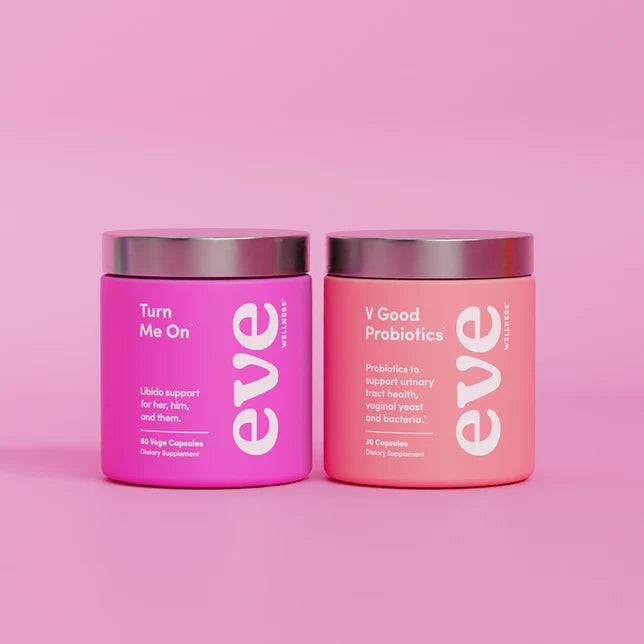
If you’ve ever caught yourself thinking: Why am I horny on my period? Is it common to feel horny during your period? Why does my sex drive increase on my period? Can your period make you horny? You’re definitely not alone. Here’s what’s going on… Your hormones are shifting (and it shows up in your libido)Right before your period, oestrogen and testosterone dip. A few days into your bleed, oestrogen begins to rise again. You start feeling hot, turned on and horny. Your body is more sensitive down thereDuring menstruation, blood flow to the pelvic area increases, which can heighten sensitivity and arousal. When your uterus contracts (cramps), it can stimulate nearby nerves adding to that turned-on feeling. Plus, increased natural lubrication can play a role too. Hello horn. Your libido changes across your cycleAround ovulation, libido typically peaks. The few days surrounding ovulation are the only days of the entire month when you can actually get pregnant. So, naturally, this is when your body kicks your sex drive into overdrive. In the luteal phase, progesterone rises, which can dial things down slightly. We love progesterone for its soothing, calming effect on the mind and body. However it can be a bit of a debbie downer in the doing-it department. There are some feel-good benefits tooSex or orgasms during your period may help ease cramps, support mood, and improve sleep. Bottom line…This is something many menstruators experience, driven by natural hormonal and physical changes in the body. Looking for extra support? If your libido feels a little all over the show across your cycle, our Better Together: Libido Pack is designed to support desire, mood, and hormonal balance - so you can feel more like yourself, more often. If you’re keen to understand exactly how oestrogen, progesterone and testosterone shift across your cycle (and what that means for your libido), read our full breakdown here. She’s a little denser, but worth it.
Learn more
Give Yourself A Hand: Celebrating The Art of Masturbation
Most of us start our sexual awakening with a little self-love but the art of masturbation has, for too long, been an education we get from hearing people talk about it, watching male-gaze porn or maybe even American Pie. Let’s change that shall we? In addition to being a fucking good time, masturbation - that ends in, or includes, orgasm - has myriad health benefits. It calms us down, it helps us sleep, it makes our skin glow, and helps balance our sex hormones. From a purely scientific perspective, we’re big fans. Speaking broadly, to have good partnered sex, it helps to know what works for you. To figure that out, it helps to have some alone time but masturbation doesn’t need to lead to partnered sex: it is an event all its own but one of its benefits is that it can lead to more confidence when you do decide to invite someone else into the room, which is why we bring it up. One of the greatest heists society has pulled off is making us think that cumming, sex, or self-pleasure is something to be ashamed of. Especially if you own a vagina. "If you’re reading this, zoom in and turn that screen brightness up because we’re ending that taboo today." Before we really get into it, we want to note that this article - for the sake of brevity - speaks in broad terms. Everyone is different, every vagina is different, and what gets you off will vary from person to person. The focus of this article is on people with vaginas. The Clitoris An estimated 75% of women can’t cum from vaginal sex alone. Given that the clitoris is the only organ in the human species designed purely for pleasure, it’s a good idea to make good use of it because, for a lot of us, it’s a shortcut to pleasure. Did you know that there are more nerve endings in the head of the clitoris than anywhere else in the human body (of any gender)? It sits at the ‘top’ of the vulva and comes with a chic little hood. Below that is the hole where you pee, then the hole where you would be penetrated (with a penis, fingers, a toy etc), and then the anus which can also be penetrated. https://www.teenvogue.com/story/vagina-anatomy-diagrams Stimulation of the clitoris is the express route to orgasm. Once you work out the combination of pressure, speed, movement, and time - that’s knowledge you’ll use for life. In addition to the head (the part you can see), the clitoris continues inside you. The shaft – which is about the thickness of a pencil – can be up to 4cm long, and after that the ‘legs’. If the clitoris was viewed on its own, out of the body, it would look a little like a wishbone. Goop gets into it in more detail here. Hands-on This could feel a little intimidating if you own a vagina and live in a society. Old-fashioned, and frankly sex-shaming, attitudes, have given generations of people the ick about their own bodies. If that rings true for you even a tiny bit, a, er, handy tip is to start by working over your underwear (or scroll down to learn about toys). The good thing about hands is that each one has five fingers. So, with enough dexterity, you could stimulate and penetrate all at once. "Your vagina’s the piano and you’re the maestro." Focusing on stimulation, start with a little bit of lube and using your index and/ or middle finger, make small circles on and around the head of the clitoris. The reason we include lube in this is that it reduces friction. Use this time to play with yourself and explore what feels nice - when you find what that is, do more of it, if something feels weird or boring, do less. Try up and down, side to side, circles, or a combination of all three. Some people enjoy a light pinch. If you are finding that that’s not working, you may need to slide the hood of the clitoris (you should be able to assess this visually) up a bit or widen your legs a little bit to stimulate the shaft and legs of the clitoris and take the tension out of your muscles. For a lot of us, we need to mentally be in the right place to cum so if you don’t feel relaxed, it can be harder. That’s OK! If it’s not working right away, just come back to it when you’re feeling less thinky and pick up where you left off. Other places to try include the bath or shower when you’re guaranteed some alone time. Silicone saviours While we’re big fans of getting to know yourself and your preferences hands-on, there are options to take the handy work out of the equation. Dildos, vibrators, or citoral stimulating toys can simulate partnered sex but without the hassle (and bacterias) of another person! Dildos are phallic-shaped objects that are used for vaginal or anal penetration. We also recommend keeping lube on hand for this one. They tend to be manual, meaning no batteries, so you can either mount it or hold it if you’re working alone. If, like we discussed above, you need more than penetration to get off, then they mightn’t be the best choice or you may need clitoral stimulation at the same time. Enter vibrators. Vibrators can be inserted into any orifice and also, duh, vibrate. Some - like the famous Rabbit - can be inserted with one shaft while the other stimulates the clitoris. They also come in smaller bullet shapes that fit in the smallest of handbags which can be turned on when you are and held against the clitoris or inserted (just be sure to keep a tight hold on it if it goes up anywhere). Finally, absolute fan favourites, the clitoral stimulators. This is like Girls Get Off’s Missy Mini or the Satisfyer Pro 2. They look a little bit like the Pixar lamp or Kenny from South Park but they pack a punch. Designed to be held over the head of the clitoris, they use air pulses to mimic oral sex from someone who knows what they’re doing. They vibrate at the same time so while they’re not designed to go inside of you, they do stimulate the shaft and legs when held against the hood. You don’t need lube for these but you’re welcome to use it and if you keep an eye out for a waterproof one, they can also be used underwater. Housekeeping Before you head off and join the mastur-nation, there’s a few housekeeping items to tick off. If we look after our vaginas, they’ll look after us. But when our standards – and our pH balance – slip, bad bacteria can run rampant, increasing our risk of infections like candida, thrush and bacterial vaginosis; as well as sexually transmitted infections, some cancers, pregnancy complications, and pelvic inflammatory disease. Washing your hands before you get handsy to clear away unwelcome bacteria, and keeping your toys clean are must-dos. Like any self-respecting queen, your vagina has standards and may not get on with some types of lube. Broadly speaking, a water-based lube is normally a great way to go. We love this natural option from Bonk Lube. Finally, using a probiotic to look after your vaginal health is one of the best things you can do. So, there you have it! A no-holds barred guide to vaginal masturbation. If some of this is obvious to you, that’s great - we want everyone to know the basics - but think if someone in your life might benefit from some not-from-your-mum education and share it with them. Plus, if you have any tips yourself, tag us @evewellnessco_ on Instagram and TikTok or comment on any of our posts. This is a caring, sharing cummunity and the more we know, the more we glow.
Learn more
5 Food Habits For Healthy Hormones
The food you eat has the power to either support the optimal functioning of your hormones, or contribute to hormone imbalance. So when it comes to balancing your hormones, nutrition is a pretty big deal. Plant-based, low carb, keto, fasting, celery juice, gluten-free, dairy-free, organic, vegetarian, paleo—type ‘the best way to eat for health’ into your Google search bar and plethora of conflicting information that comes back both conflicting and overwhelming. Probably enough to make you think this topic is far too confusing to understand, let alone put into practise. We get it. That’s why we’re taking this topic right back to the tried and true basics of nutrition for women’s health. We asked our Health Consultants, (A.K.A the wonderful team that includes clinical nutritionists, NZ registered dieticians and naturopaths), about what they eat to balance their hormones & why. Rather than bore you with food diaries, we’ve turned what they told us into 5 ways to support your hormones through food. A word of caution: These tips are fairly broad, because no offence dear reader, but we don’t know you from a bar of soap. We are all so different. For example, some people do really well on starchy carbs such as potatoes, kumara and gluten free grains, whereas for others, these types of foods can leave them feeling sleepy and unsatisfied. 1. BREAK-THE-FAST WITH PROTEIN Healthy hormone eating 101: to keep your hormones happy, you need good blood sugar balance, which means eating to stay satisfied and to avoid feeling shaky, unfocused or moody when hungry (all signals that your blood sugars might be taking a nosedive). Our Health Consultants warn against signs such as craving carbs and sugar, or feeling constantly hungry. These are signals that you’re not fuelling your body well, and this can contribute to unhappy hormones. Starting the day with a nourishing, balanced breakfast that stabilises your blood sugar levels is one of the best and simplest ways to support balanced hormones. The thing is most traditional ‘breakfast’ food is high carb, has a high glycemic index (GI) - meaning that it turns to sugar in the blood very fast - and leaves you looking for the snacks come 10am. The solution: eat a protein-rich breakfast within a couple of hours of waking. Protein supplies amino acids which are crucial for the body to repair itself and make its own essential hormones. Protein also provides steady, sustainable energy that will keep you full for longer. Our Health Consultant’s favourite sources of protein at breakfast time include: 2-3 free range eggs; A natural protein powder added to a smoothie (avoid ones with any funny looking ingredients or sugars e.g. maltodextrin, sucralose etc); Nuts & seeds; Natural greek yogurt (if you tolerate dairy well); Salmon or other fresh fish; Leftover mince or steak (free range and organic preferably). By starting your day with a good hit of protein, you should find you feel grounded and focused, and don’t feel a need to snack before lunchtime. Try it and report back! 2. DON’T SKIMP ON HEALTHY FATS For a while, fat was the most misunderstood macronutrient of all. For years we were told that fat free = healthy, and that cholesterol and saturated fats were bad. Thankfully for our health and hormones, science has shown the error of our ways and now demonising dietary fats is so 2005. Our Health Consultants love healthy fats as they contain a range of key fat-soluble vitamins, such as A, D, E, and K, and provide slow burning energy to compliment the energy from carbohydrates and keep blood sugar stable. Fats are also the precursors to our hormones—they are the raw materials we need to make hormones like progesterone, oestrogen, and testosterone. While high cholesterol is a concern for some people, low cholesterol can also translate to hormone imbalance. Our Health Consultants tell us that it’s all about eating the right kinds of fat to support healthy cholesterol levels, and steering clear of the not so great fats that increase the bad kind of cholesterol. Great sources of the right kind of fat include: Avocados; Nuts & seeds; Eggs; Coconut yoghurt; Cold pressed oils such as extra virgin olive, avocado and coconut; Fatty fish such as salmon and sardines. Avoid canola, rice bran and vegetable oils. 3. CARBS AREN’T THE ENEMY Low carb or ‘keto’ diets are somewhat of a buzz in the health and fitness world at the moment. The idea behind them being that without glucose from carbohydrates for energy, the body is ‘forced’ to use fat for fuel instead. While this sounds great in theory, the reality is that our bodies are a whole lot more complicated than that. Our Health Consultants have observed through clinical practice and scientific research that female sex hormones can be particularly sensitive to both under eating, and restricting entire food groups such as carbs. From a physiological standpoint, forcing the body to use ketones (fat) for energy can be more stressful than using glucose from carbohydrates. This can increase cortisol levels and throw your delicate balance of sex hormones out of whack, as the two are made from the same precursor hormone, pregnenalone. While we’ve seen some women with insulin-resistant hormone imbalances such as PCOS might do well on lower carbohydrate diet, many women find they simply need carbs to feel balanced, energised and healthy. Research suggests that non-inflammatory starches such as rice, potato, pumpkin and kumara are actually calming on our nervous systems; and can support the cortisol and stress response, and restful sleep. Eaten alongside a source of both protein and fat, gentle carbohydrates promote stable blood sugar, energy and mood. Win, win, win. 4. GREENS ARE IMPORTANT Eat your greens. Quite possibly the most basic but most important nutrition advice there is. Before you roll your eyes and tell us you’ve heard it all before, just listen. Leafy greens such as spinach, kale, watercress, silverbeet and micro greens are amongst the most nutrient-dense foods on the planet and are also full of fibre, folic acid, chlorophyll, and a whole heap of other micronutrients and phytochemicals. No where else can you find calcium, magnesium, iron, potassium, phosphorous, and zinc, as well as vitamins A, C, E and K in a tasty, ready-to-eat package. Our bodies need nutrients to do pretty much everything; like make all of our hormones, give us energy, rejuvenate our cells, detoxify last nights pinot gris and so on. If you don't eat foods with the nutrients you need, your body cannot produce hormones correctly or maintain hormonal balance because it simply doesn't have the building blocks to do so. A top tip from our Health Consultants is to aim for a serving of greens with each meal. Whether that's in a smoothie, salad, slaw, stir fried, steamed or otherwise - it’s all good. Just play around to find what works for you. 5. SOUL FOOD IS IMPORTANT TOO Yes, food is fuel and nourishment; but it’s also a whole lot more than that. It’s pleasure, experience, comfort and often a form of socialising too. Our Health Consultants always highlight with their clients that eating nutrient dense wholefoods doesn’t need to mean feeling restricted, deprived or as though you’re missing out. At Eve, we’re pretty passionate about eating well, but we’d be lying if we said there were never gluten-free brownies cooling in the kitchen or dark chocolate being passed around at 3pm. It’s all about finding a way of eating that’s sustainable, and usually that means finding the sweet spot between feeding your body and your soul. Let’s face it, even stressing about food is still a form of stress, which we probably don’t have to tell, isn’t that great for your hormones either. The key takeaway from our Health Consultant’s point of view? Do the best that you can, when you can, and try not to get caught up in the details. Nutrition isn’t all or nothing; something is always better than nothing.
Learn more
5 Reasons We Get Heavy Periods
Chances are if you’ve clicked on this blog, you suspect your period—or the period of someone you care deeply about—is on the heavier side. Well, in that case, you’re absolutely in the right place, but how exactly do you know how heavy is heavy? For starters, your period shouldn’t leave you feeling wiped out and depleted, you shouldn’t need to double up on period products for a leakage safety net, and you shouldn’t need to change products during the night. The medical term used to describe bleeding too much or too long during your period is ‘Menorrhagia’, which talks to blood loss of more than 80ml per cycle. But take it from us, there is absolutely no need to get out the measuring spoons, trust your gut on this one. If what you are experiencing during your period doesn’t feel right, it probably isn’t. While we’d recommend checking in with a trusted healthcare professional to rule out more serious health conditions, here are 5 common reasons for heavy periods, and what you can do to lighten them. 1. HIGH OESTROGEN Oestrogen is our lovely feminising hormone that rises in the first half of your cycle and among many other things, thickens the lining of your uterus to prepare for a potential pregnancy. With too much oestrogen on board, the uterine lining can grow much thicker than it needs to be, leading to a much heavier bleeding when the lining sheds during your period. 2. LOW PROGESTERONE Progesterone is like the hormone equivalent of a chill pill, which helps to keep oestrogen in check and is really important during the early stages of pregnancy. When you ovulate, around the middle of your cycle, you get a juicy dose of progesterone that tells the lining of your uterus it’s done enough growing, and can now just sit tight, and hope and pray for the arrival of a newly fertilised embryo. And if you don’t ovulate, or have what’s called an ‘anovulatory cycle’, you don’t make much progesterone at all. When this happens oestrogen levels—and the lining of your uterus—continue to grow, leading to heavier break-through bleeding when it eventually sheds. 3. POOR OESTROGEN METABOLISM Oestrogen that the body no longer needs is dealt with by the liver and is broken down into one of three oestrogen metabolites: 2-OH-E1, 4-OH-E1 or 16-OH-E1. While 2-OH-E1 is known to be pretty friendly, 4-OH-E1 and 16-OH-E1 are more inflammatory. If your liver is favouring these pathways it can feel a lot like high levels of oestrogen in the body, leading to increased PMS symptoms and heavier periods. 4. LOW IRON LEVELS You’ve probably heard about iron levels in conversations about energy levels or red meat, but did you know that one of the many important roles of iron in the body is related to blood coagulation, or ‘clotting’? This important function of iron can create a bit of a ‘catch 22’ for people with periods, as heavy periods can lower iron levels, and low iron levels can make periods even heavier. Along with heavy periods, other signs of iron deficiency to watch out for include low energy, hair loss, pale skin and an increased heart rate. 5. IODINE DEFICIENCY Iodine is a key mineral that is best known for its essential role in the normal functioning of the thyroid—a gland responsible for growth, brain development and metabolic rate; however, iodine plays an important role in hormone health too. Along with supporting healthy oestrogen metabolism, oestrogen helps to stabilise oestrogen-sensitive tissue, including the brain, ovaries, uterus and breasts. Low levels of iodine in the body can make these areas particularly sensitive to oestrogen, which is why breast tenderness and heavy periods can be key signs of iodine deficiency. New Zealand soils are typically low in iodine, resulting in low levels of iodine in locally grown produce. The best food sources of iodine are seafood, seaweed, kelp and iodised salt. HOW TO LIGHTEN A HEAVY PERIOD CHECK-IN WITH YOUR HORMONES Our key female sex hormones oestrogen & progesterone work together to control how much the lining of the uterus builds up, and when it sheds. Finding out how your body is producing and metabolising these hormones can help to shed some light on why you may be experiencing heavier bleeding during your period. HAVE YOUR IRON LEVELS TESTED According to the World Health Organisation, Iron is the most common deficiency in the western world and women of childbearing age are at the greatest risk. Checking your iron levels can be done through a blood test arranged by your GP. SUPPORT OVULATION One of the many wonderful benefits of progesterone is ensuring your uterine lining thickens only as much as it needs to, and your period doesn’t go on for too long. To support your body to ovulate and ensure a juicy dose of progesterone each month, make sure to: Get real about your stress levels, and find ways to reduce what you can (cutting back on alcohol, caffeine and high-intensity exercise Eat enough, and include a good balance of carbohydrates, fats and protein in your diet. Restrictive diets and our hormones do not mix. Up your essential nutrients. Zinc, vitamin B6 all nourish the ovaries and help them do their job. LOVE YOUR LIVER Your liver is the organ tasked with clearing out hormones we no longer need. If your liver is operating on the sluggish side, the result can be high oestrogen levels and inflammatory oestrogen metabolites - both of which can contribute to heavy periods. To help your liver do its important job, make sure to: Eat plenty of cruciferous vegetables such as broccoli, cauliflower, cabbage and kale, which are especially rich in a compound called Diindolylmethane (DIM), which supports the liver in metabolising and detoxifying oestrogen. Reduce your intake of the foods, drinks and environmental toxins that are particularly taxing for it to process, such as alcohol, refined sugars, processed foods and conventional cleaning and beauty products.
Learn more
5 Quick Tips For Becoming A Morning Person
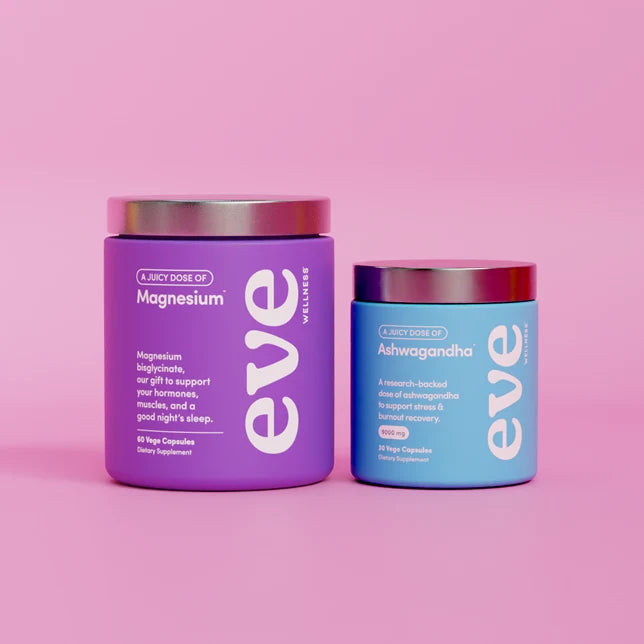
If you’re someone who struggles with energy and pep, you’ve come to the right place. Our definition of being a morning person isn’t about bounding out of bed after naturally awakening at 6am with a smile on your face and a spring in your step. It isn’t even about having a killer morning routine (although those are great) or being part of the 5am club. For us, being a morning person is about waking up feeling well-rested, and having the energy to get out there, have fun and smash your day without feeling held back by your body. If low energy, tiredness, restlessness, brain fog, stress or exhaustion are words you can relate to, read on for our 5 top tips to become a morning person. 1. CLEAN UP YOUR SLEEP HYGIENE This one might sound a little, ‘well duh’, but it’s not just about time spent in bed. Cleaning up our sleep hygiene before and during the time we hit the hay has a major impact on how nourishing your sleep ends up being. Some examples would be reducing blue light in the lead up to sleep (i.e. keep TikTok scrolling as a strictly pre-dinner activity), avoiding caffeine 10-12 hours before we want to close our eyes for the day, calming the mind with an activity like yin yoga; journaling; reading or meditation, and guiding our mind and body towards relaxation by incorporating calming ingredients like magnesium or kava. Kava is traditionally used to support a calm mind and ease everyday tension, while Magnesium supports muscle relaxation and natural nervous system function at the end of the day. 2. GIVE YOURSELF ENOUGH TIME While you may think that the snooze button is the best invention since sliced bread, getting up a bit earlier can actually be the golden ticket to a great day. It might sound counterintuitive to wake up earlier to not feel tired, but the morning can be a lot more appealing if it’s not a mad rush out the door. Waking up even 15 minutes earlier means you can fit in a cup of tea, journaling or meditation sesh, a quick dance party (see the next tip), or read a chapter of your book. Then, when it comes time to leave the house, it won’t feel like a punishment and it also gives you a sacred window of ‘me time’ at the start of your day, meaning you’re less likely to stay up late trying to claw back some time for yourself. 3. CHANGE YOUR MINDSET Stress, worry and negative thoughts are not allies of good sleep or great morning energy. If you’re in a bit of an energy funk and are finding the mornings a struggle, mindset could be your most powerful asset. Instead of waking up and mulling over how tired you are, let’s mix things up and focus on what you’re grateful for. Take 5 minutes to write down the blessings in your life or what you’re looking forward to in your day. Or, if writing isn’t your jam, put on a song that takes you to a happy place and have a 3-4 minute daily dance party. These practices pack a small but powerful punch, helping you slip out of stress and worry and into the more comfortable (and energising) emotions of gratitude, happiness and hope. 4. CUT DOWN YOUR CAFFEINE Did you know the half-life of caffeine is about 5 hours for the average person? That means it takes about 10 hours to completely clear from your system! We’re not here to tell you to stop drinking your oat flat white, but another counterintuitive morning person tip is to reduce your caffeine intake. Here’s why: Caffeine can mess with your sleep quality, making you feel groggier come morning and needing more coffee the next day. Coffee is also dehydrating, leading to a foggy mind and weary body Caffeine kicks up adrenaline which delivers the hard and fast energy boost you love, but your stress response, adrenal health and energy reserves do not. One coffee a day is all good in our books, but if you find yourself reaching for more than this, it might be time to start weaning yourself off, my friend. 5. TRY A NATURAL ENERGY SUPPORT: MORNING PERSON Sometimes we all just need an extra helping hand to feel energised. Whether you’re needing support on the odd off-day, or whether you’re looking for a longer term solution to your low energy woes, having natural support on hand is key. Morning Person is a thoughtfully formulated blend of B vitamins, adaptogenic Rhodiola Rosea, and Panax Ginseng designed to support daily mental focus and natural energy production. Designed to offer smooth, non-jittery support for focus and vitality, it helps the body convert food into cellular energy while supporting a healthy stress response during busy schedules. Morning Person is the get-up-and-go energy boost we need to look forward to the day, not just get through it.
Learn more
Low energy? Fatigued? Your hormones might be dulling your vibe
When the 3pm slump starts to overflow its usual timeframe and you find yourself running with more of an ‘all day slump’ each day… Or when you wake up feeling like you’ve had a night on the tiles with tequila, when you were actually in bed by 9pm eating TimTams in your jim jams… This, my friend, is fatigue and we’re going to manage it together before it turns into full-blown burnout. And, spoiler, we’re going to do it with nutrients. Since we know you’re busy, and probably tired, if you don’t have time to read this whole piece, jump to the bottom to get straight to the advice and save the rest of the article for later. Let’s start with the why: WHY DO WE GET FATIGUE & LOW ENERGY? Feeling tired all the time has become so common for many of us that we accept this foggy state as ‘normal’. In reality, when our lives, diets, and hormones are balanced we should wake up feeling refreshed, with stable consistent energy throughout the day. We’ve learned to rely on coffee, other caffeinated drinks, and sugary booster snacks to mask our fatigue and give us the oompfh we need to make it through the day. Coffee is great in small doses but when we’re mainlining it just to get through the day, something deeper needs to be addressed. Fatigue can be a highly frustrating issue to deal with, as we often feel as though we ‘should’ be able to kick it / do all the things we used to do / wake up feeling fine. But when we’re dealing with fatigue from an underlying issue, ‘shoulds’ aren’t helpful and can leave us feeling deflated and guilty...hard pass. Hormone Imbalances That Might be Dulling Your Vibe LOW OESTROGEN Oestrogen is a hormone that contributes towards giving us our ‘get up and go’ drive. Once our periods arrive each month our oestrogen levels start to rise and with it rises our zest for life. We welcome great energy levels for the first couple of weeks of our cycle (the follicular phase). After ovulation we naturally enter a more introspective phase (the luteal phase) where we feel more inclined to snuggle up at home than hit the town. During this phase we may feel a bit lower in energy, but certainly still able to function and do all the things we want to do. When oestrogen levels are too low, the usual pep and drive of the follicular phase doesn’t come like it usually does. Instead, we have a lower energy phase, or in some cases, feel quite depleted and exhausted. Other signs of low oestrogen are short and/or light periods, hot flashes or night sweats, decreased sex drive, vaginal dryness, headaches and migraines post period, and issues with fertility. If you’re experiencing any of these in addition to your fatigue, your oestrogen levels might be the driver. A few tips to naturally support oestrogen levels are: consuming phytoestrogenic foods and herbs such as flaxseed, sesame seeds, liquorice tea, fennel and sage; Adding maca powder to your morning smoothie; Add some mindfulness and meditation into your daily routine. Countless studies have shown the link between meditation (stress reduction) and hormone happiness. OESTROGEN DOMINANCE This hormone imbalance is getting itself quite the reputation. Probably the most well-known hormonal issue, oestrogen dominance is basically when we have ‘too much’ oestrogen. This either means that the actual levels of oestrogen are high or that our oestrogen levels aren’t in balance with our progesterone levels. That’s because, in an ideal world, our oestrogen and progesterone levels are balanced. So, you could be considered as having high oestrogen because you don’t have enough progesterone. When this happens, we will still experience signs of high (or dominant) oestrogen and fatigue is a classic one. One of the reasons for this is that where we see oestrogen dominance, we often also see exhausted adrenals (HPA axis dysfunction). When we’re stressed (from work, family, toxins, gut issues, over-exercising, under-eating etc.) our brains think we’re in danger, and prioritise keeping us alive over fertility, therefore telling pregnenolone to make cortisol rather than progesterone. Hello oestrogen dominance, and adrenals that are working overtime to make more cortisol. Other signs of oestrogen dominance include weight gain around the hips and thighs, PMS, heavy periods and sore breasts. If you’re experiencing any of these in addition to your fatigue, oestrogen dominance might be pulling the strings. A few tips to naturally support oestrogen dominance and adrenal function are: Eat cruciferous veggies 1-3 times per day. These veggies help clear excess oestrogen. Add 20 minutes of meditation or mindfulness into your daily routine. Apps like Insight Timer and Calm can help with this. This can support progesterone production by lowering your stress response. LOW TESTOSTERONE Testosterone is an androgenic hormone equally important for women as it is for men, just in lower amounts. But not too low. Fatigue, losing your mojo and love of life being some of the main funks. Testosterone also aids with cognitive function in both men and women, and protects us against depression, which means that when this hormone gets low we’re more prone to low moods too. Low testosterone levels in women can be down to a number of different reasons. Simply having more birthdays is one cause, as testosterone (but not fabulousness) levels naturally decrease with age. Hormonal birth control such as the pill or IUD can suppress testosterone levels, and stress induced adrenal exhaustion is another main cause. Are you noticing a theme here? OTHER FACTORS THAT MAY BE INVOLVED At the root of so many of our hormonal fatigue problems (and other hormonal issues) we can find stress. Stress from work, conflict, a busy life, gut issues, food intolerances, inflammation, HIIT exercise, toxins… It all counts. If there’s one thing you do as a result of reading this, make a list of the stressors in your life and see how you can start to limit these. Oh, and meditate. Outside of hormones and stress, there may be other factors behind your fatigue, such as: Not getting quality sleep - if you suffer from hot flashes, find yourself waking up through the night, or the fatigue lasts all day - you’re likely having poor sleeps. Nutrient deficiencies - a number of vitamin and mineral deficiencies have been linked to fatigue. Key nutrients to pay attention to are iron (many menstruating women could benefit from an iron supplement), vitamin B12, omega–3 fatty acids, and vitamin D. Hydrate to stay awake! - not drinking enough water (or losing fluids through diarrhoea or vomiting) can also cause fatigue.
Learn more
What Exercise is REALLY the Best? Hint: It Depends on Your Cycle...
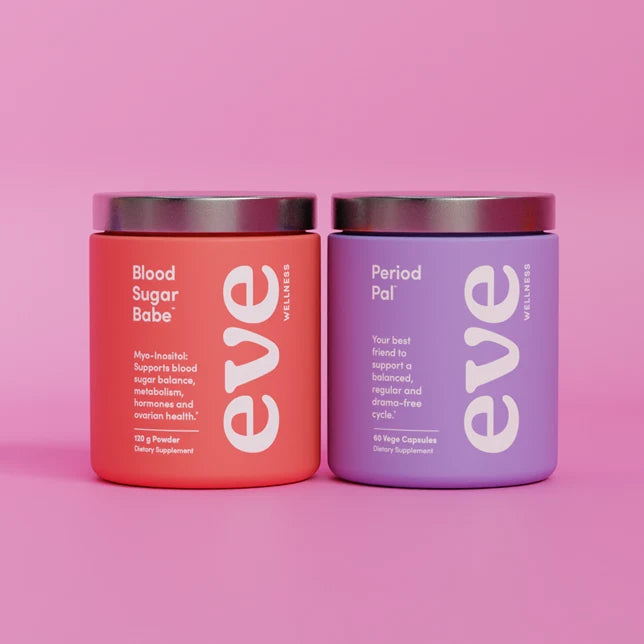
Before we get into breaking down HIIT vs hot yoga, let’s learn some foundations that will help you figure out what movement is right for you, at what times. There are four phases to your menstrual cycle. Each represents a change in our intricate hormone balance and has different hormones running the show. Each phase has a slightly different vibe and once you tune into it, you’ll start to notice distinct differences in your energy levels, moods and desires throughout the month. Different forms of exercise (such as HIIT, strength training, yoga etc.) have different benefits for our health and fitness goals. Mixing up your training is a fantastic idea; but this is really something we should be doing across a monthly schedule instead of a weekly one. The ebbs and flows of our hormones affect our physiology in more ways than we might imagine, including: Carbohydrate tolerance; Metabolism; Stamina; Strength, and so much more. These factors can have a pretty huge impact on how we respond to, and recover from exercise. The following guide to exercise throughout your cycle is based on an average 28 day cycle, yours might not be ‘average’ and that’s totally cool. Just like no two bodies are the same, no two menstrual cycles are the same either. Generally, any cycle length between 21-35 days is considered normal. Increase or decrease the estimated days to fit your ‘normal’ as best you can. PERIOD & EARLY FOLLICULAR PHASE (ROUGHLY DAYS 1-6) The first day of your cycle is your first day of real bleeding.At this time of the month what’s right for you is going to vary both person to person and month to month. During menstruation, oestrogen and progesterone are at their lowest levels which makes our glycogen stores (stored carbohydrates) more easily accessible as a fuel source. Metabolically speaking, this would be a great time for some cardio movement. But during this introspective phase, with often lower energy levels (and moods), cardio might be the last thing that feels aligned with where we’re at. Here are some good options for the early phase of your cycle: Some women might be down for a boxing or dance class; Others find walking or yoga great for the mind as well as helping to ease any lingering period pain; Some of us will feel entirely wiped out and really just need to rest with a nap and Netflix. Do what feels right for you but be sure to be gentle, kind and loving with yourself during this more tender phase. FOLLICULAR PHASE (ROUGHLY DAYS 6-13) The follicular phase of your cycle is generally a pretty great time—your period has been and gone, along with any pain or symptoms that came with it, and oestrogen and testosterone are on the rise; making us feel confident, energetic and sexy. During the follicular phase, our bodies preferred fuel source is stored glycogen (carbs) and we are our most insulin sensitive, meaning we use carbohydrates for energy better. If there’s ever a good time to smash a HIIT session and refuel with a bowl of (preferably gluten free) pasta - it’s now. In the follicular phase here’s what you need to know to help plan your workouts: Our hormones can handle burpees and box jumps during this phase - as long as we keep our workouts reasonably short: 30 mins or less. Training in this high intensity zone beyond the 30 minute mark is going to deplete our glycogen stores, stress our adrenals and force cortisol to come to the party which our hormones don’t want. Heated vinyasa yoga is a great alternative option: the hotter temperature gets the heart pumping and sweat flowing (a great detoxification channel). OVULATION (ROUGHLY DAYS 14-16) Around the time of ovulation, both oestrogen and testosterone are at their peak. Not only does our fertility and libido peak with them, our strength does too. This is the best time of your cycle for strength training. If lifting heavy is your thing, you are more likely to achieve a personal best at this time than any other time of the month - how great is that? Some exercise options to take advantage of this increased strength: BodyPump or weights-based workouts; Head along to a kettlebells class; If you don’t love the gym, try resistance training at home with moves like lunges, squats, push ups etc. But be aware., research has also found that the hormone changes taking place during ovulation can affect our joint laxity and collagen structure. This means we are as much as four to eight times more likely to injure at this time of the month. So it’s more important than any other time to warm up, stretch, and recover properly. LUTEAL PHASE (ROUGHLY DAYS 15-28) The progesterone surge that happens after we ovulate raises our core body temperature by around 0.3-0.6 degrees celsius. When our body temperature ramps up - so does our metabolism. We are now burning more energy at rest than we were prior to ovulation. Listening to your hormones during this phase, means chilling on the exercise, eating a little bit more; or both. We’re also going to fatigue faster and need more recovery time between sessions. During this phase we are more insulin resistant than the follicular phase, and our bodies prefer to run on fat for fuel rather than stored carbohydrates. Some tips to help you plan your luteal workouts: If your energy levels are feeling ok, you can train actually for a longer duration, provided you take the intensity down a notch. Focus on low intensity exercises: we love yoga (preferably not hot or heated as this comes under the ‘more intense’ umbrella). Other options are walking, gentle body weight strength training and pilates. Beyond exercising for the physical benefits, gentle movement can be incredibly beneficial for our mood and any other PMS symptoms that might start to rear their head later in the luteal phase. Need some extra support? Meet Period Pal - every woman's best friend to support a balanced, regular and drama-free cycle.
Learn more