Eve Blog


6 Things Everyone Needs To Know About Hormones
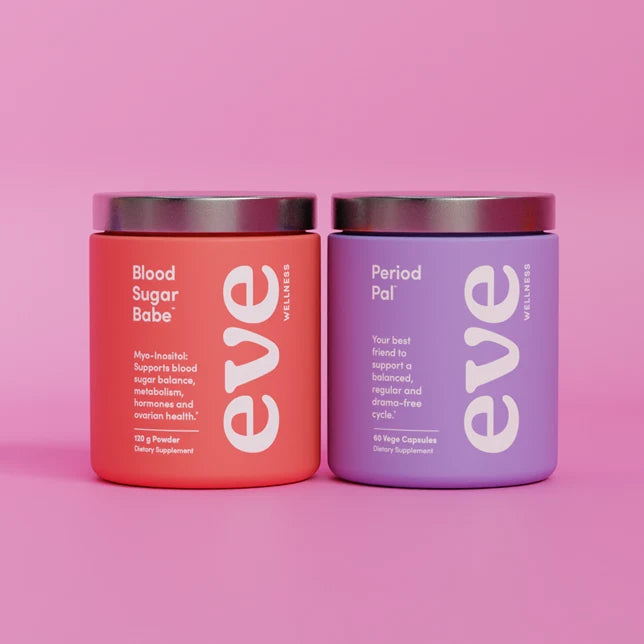
Ahh hormones: they can’t be seen or touched, but they can somehow make a really good cry and an entire block of chocolate feel like the only way you’ll possibly make it through the next hour. Feeling 'hormonal' has come to have negative connotations - we associate hormones with being grumpy, irritable, and getting upset. But in reality hormones aren’t bad! These biochemicals are incredibly powerful, and have the ability to make our lives heaven or hell. But with knowledge and understanding, we are able to take back the power, tune into them, and soften the blows so that maybe, one day, feeling hormonal can be a good thing. These are 6 things everyone needs to know about hormones. 1. WHAT EVEN ARE HORMONES? Hormones aren’t just essential for periods & reproduction, they are fundamental to every system that makes up your body. Hormones are natural chemicals inside you that literally act as messengers, telling your cells what to do, how to function and what kinds of things to prioritise. They are produced by the endocrine system and play an important role in regulating bodily processes from hunger, to blood sugar levels, blood pressure, metabolism, energy, bone health, body shape, skin health, libido and more. To put the massive powers our hormones hold into perspective: 90% of the cells in our bodies have oestrogen receptor sites. Meaning that 90% of your cells are receptive and responding to how much oestrogen is present in your body. Wild, no 2. HOW HORMONES ARE CONTROLLING YOUR CYCLE Simply put, your hormones dictate exactly how you’re going to feel throughout each month. Between the years of puberty and menopause, the female body goes through a hormonal cycle each month to prepare for potential pregnancy; whether getting pregnant is on your to-do list that month or not. There are four main phases of the menstrual cycle, and each presents its own shift in your body’s level of each hormone, energy, mood, and vitality. If you pay close attention - by tracking your cycle - you’ll notice that you feel differently at different times of the month. The fluctuating hormones and their ratios to each other have everything to do with these subtle shifts in energy, mood and desire. 3. THE HORMONES YOU NEED TO KNOW ABOUT: As far as specific hormones go, here’s a brief run-down on the one we talk about the most. Our sex hormones play primary roles in reproduction (and preparing the body for this), and secondary roles in everything from skin health, to mental health, energy and more. The key ones you need to know about are: Oestrogen: The main female sex hormone that’s mostly produced in the ovaries and supports energy, motivation, sleep, libido, skin health, bone health and gives women beautiful feminine curves. Progesterone: Our personal fave hormone; this feel good, calming sex hormone balances oestrogen out, helps your mood and supports pregnancy. This hormone is primarily produced after, and by, the process of ovulation and we make less of it during times of stress. Testosterone: Known as the main ‘male’ sex hormone, testosterone is actually essential for women too. Testosterone is essential for muscle growth, supporting energy, motivation and libido. DHEA: Less well known, but no less powerful, this is often referred to as the ‘grandmother’ hormone. DHEA is a precursor that makes our other hormones, such as oestrogen and testosterone. It’s also known as an anti-aging hormone for its youth-boosting properties. 4. THE SIGNS OF HORMONE IMBALANCE TO WATCH OUT FOR Essentially, for both men and women, hormones are a pretty big deal. When hormones are higher or lower than optimal, or are out of balance in ratio with other hormones, this can result in signs like: Low energy, fatigue & insomnia; Anxiety, depression & unstable moods; The inability to lose or gain weight, unexplained weight gain & difficulty building muscle mass; IBS-type symptoms such as bloating, constipation and diarrhoea; Period problems e.g. heavy or irregular periods, painful periods or a lack of periods (amenorrhea); Pre-menstrual issues e.g. pain or cramping, bloating or gas, sore breasts; Skin issues e.g. acne, dryness and fine lines and wrinkles; Trouble getting or staying pregnant; Sexual dysfunction & low libido; Headaches e.g. pre or post-period. You might have read the list above and thought ‘hold on, isn’t that just normal?’, ‘Isn’t PMS just part of being female?’ 5. JUST BECAUSE HORMONAL SIGNS ARE COMMON, DOESN’T MEAN THEY’RE NORMAL... We’re here to tell you that no, it’s not! The signs above may be common, but they’re not ‘normal’ - and it doesn’t have to be your norm either. The realisation that you don’t have to live with these things has been nothing short of revolutionary for many people. Similar to a fever or a sore knee, these signs of hormone imbalance really are just messages from different areas of your body letting you know that it needs attention, and a little TLC to nurture it back to balance. The difficulty is, hormonal messages can often be a little more abstract and difficult to decipher than the surface level signs and symptoms we know so much about. For example: We can experience heavy, painful periods because our oestrogen levels are high; or it could be because your body isn’t metabolising your oestrogen well. Lower levels of progesterone could be responsible for low moods or feelings of anxiety, or this could be caused by an oestrogen imbalance. Weight gain could indicate higher levels of oestrogen that’s ‘unopposed’ by progesterone (because we want them to be well balanced), or it could be the result of low testosterone, or high levels of stress. 6. MEET PERIOD PAL Meet Period Pal; a mix of nutrients and herbs support healthy ovulation and progesterone production so that your periods are more balanced and hassle-free. Period Pal is so effective thanks to: Ashwagandha: An adaptogenic herb that helps us better respond to stress Vitex agnus castus: A plant that has been used for generations to ease signs of PMS Atlantic kelp: Nutrient-rich and loaded with folate, potassium, iron, iodine, fiber, and many other essential nutrients Ginkgo biloba: To ease signs of anxiety and depression Zinc: Boosts immunity, aids digestion, metabolism, and to top-up stores during the luteal phase when it’s at its lowest OUR HORMONES HAVE BEEN HUSHED, AND IT’S TIME FOR THEM TO RISE “Why don’t I know anything about hormones if they’re such a big deal?” is a question we hear a lot. The honest answer? We think that in general, women’s health (and most things linked to reproductive health for all genders) has been considered taboo. People haven’t been comfortable talking about the way our bodies work and the magic involved ‘cos, ya know, *hushed voice* blood and sex and stuff. Thankfully, times are changing. As hormones drive so much in our lives, we must understand them, get to know them, and listen to their needs in order to love ourselves and live our best lives.
Learn more
5 Things We’re Begging You To Start Doing To Your Vagina
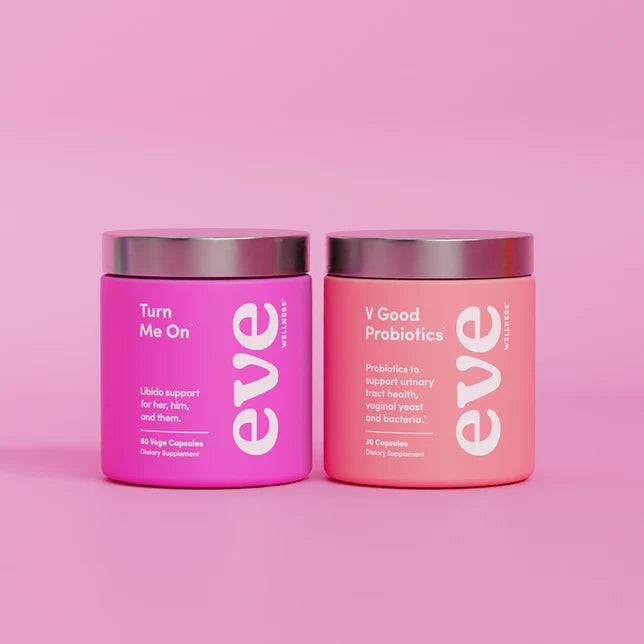
The first thing we need to know about our vaginas is that they’re smart. They self-regulate, they communicate, and they’re firm in their preferences; their likes and dislikes. They’re also pretty consistent across the board so while not all vaginas are created equal, there are things that are true for basically all of them, and that’s what we’re here to talk about. Here are five fool-proof ways to love your vagina. 1. GET TO KNOW HER SO YOU KNOW WHEN THINGS AREN’T RIGHT When things are copacetic down there, you’ll know. Which means when something’s up, you’ll know that too. Common signs that your vagina needs some attention include: Irregular discharge: thick and white and lumpy, thin white or grey, or discharge with a yeasty odour A strong fishy smell, especially post-coital Pain, itching, burning Pain or burning during sex Itching around the vulva (the outside of the vagina) Redness or swelling After heading to your GP or sexual health clinic to rule out STIs or other infections, you’ll want to address these signs because, let’s face it, it does not sound fun. These are also signs of some common vaginal experiences like thrush or bacterial vaginosis so once we know what it is, we can manage what’s going on and better prepare ourselves to stop it recurring. 2. LEAVE YOUR V BE It might feel like a healthy vagina is a clean vagina and that’s true, but here’s nature’s secret: she’s self-cleaning. All you need is the normal warm water from your bath or shower. No soaps, no douching, no scrubs, no perfume. This is largely due to the fact that our vaginas, like our guts, have their own microbiome and that microbiome keeps things ticking along. We’ll get into it more later but basically, if you’re taking care of your microbiome, the rest will take care of itself. Keeping it clean also means: changing underwear regularly, washing it in hot water after a bout of thrush, not sitting around too long in wet togs or clothes, and letting it breathe - sleeping without underwear or swapping out lacy thongs for cotton briefs on some days is an easy way to do this. 3. ALWAYS PEE ONCE YOU’VE DONE THE DEED You know how we mentioned the vaginal microbiome? Well, it’s a delicate environment in there so when something new is introduced to it (tampons, moon cups, toys, hands, penises) we want to be sure it doesn’t disrupt that fine balance of bacteria we’ve got going on. That’s why tampons are sterile and we should always have clean toys and other silicone products. So, when it comes to another body part from another person - which comes with its own range of bacterias - we want to flush all of that out by going to the bathroom after sex. We’re not saying that penises, or hands, or mouths are dirty, it's just that the bacteria from anyone or anywhere else mightn’t gel with the bacteria of our own. When we pee, we’re basically washing all that bacteria out which is essential in preventing UTIs and other infections. 4. KNOW WHAT KINDA LUBE’S IN YOUR TUBE Bringing it back to the microbiome, when there’s an imbalance between good and bad bacteria, it creates the ultimate environment for bacterial infections like thrush to thrive. So, introducing anything that is going to disrupt that environment is best avoided. This includes some lubricants. Yeast, which is fine in small doses but not when it overruns, loves the following ingredients (or ‘foods’ as it might call it): Glycerin Propylene glycol Glycerol These are found in many commercial lubricants which means our natural bacterias will eat this, love it, and then multiply. No bueno. Our vaginas are also super absorbent, like SUPER absorbent, so keep in mind that anything that goes up there is going to make its way to the bloodstream. So, a good rule of thumb when it comes to creams and lotions and gels is: “If you wouldn’t ingest it, don’t insert it”. Ingredients like parabens, for example, can disrupt hormone function so, to be on the safe side, go au naturel and look for a pH level similar to that of our vaginas - between 3.2 and 4.5. If products contain flavours, scents, or something like glitter (yikes), take it out of your basket. 5. TAKE A BILLION FOR YOUR BRAZILIAN Have you ever had an itch, done some googling, and then been told to throw back (or sit in) as much greek yoghurt as you can? That’s because our vaginas want that good bacteria as much as our guts do. And these bacterial infections struggle to take hold if we have a nice and balanced microbiome. This means taking a daily vaginal probiotic (or ingesting probiotic foods - both with billions of good bacteria) sets us up for good sexual health. Things that can impact good vaginal health are: Alcohol Sugar Antibiotics New Sexual Partners The first three might be more widely known and that’s because alcohol kills off good bacteria, sugar feeds and spurns bad bacteria, and antibiotics kill off all bacteria - good or bad - and requires a bit of a gut (or vaginal reset) during and after the course of meds. New sexual partners affect our vaginal microbiome because the coming together of two microbiomes is like introducing two families - they’re completely different to one another and while some will get on, others won’t. We can manage these disruptive external factors by: Peeing after sex Eating a lot of probiotic foods and taking a daily probiotic Washing hands before and after sex Using a condom until you’re comfortable without (but keep doing steps 1-3) Some of this advice might feel older than water but what might be new information, is why we do it. It’s all in the name of a happy and healthy microbiome which means no unexpected changes, sensations, or appearances. Not to be considered old husband’s tales: good hygiene, good foods, moderation, and peeing-to-be-on-the-safe-side are all, we think, quick, manageable, and effective vagina-loving practises that’ll set you up for a stress-free V.
Learn more
Sweet Dreams Ahead: 5 Ways To Hack Your Sleep
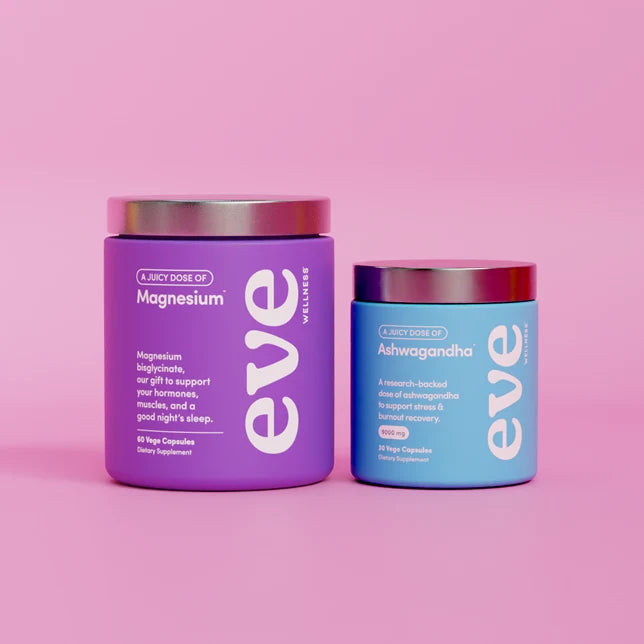
In an ideal world, we would sleep for close to one-third of our lives. Seems like a lot huh? But when you think about everything that happens in our sleep and how we are essentially recharging our batteries to function as a boss babe for the next 16 hours, we’re going to want to make sure that every minute of shut-eye counts. If you think back to when you last had an iffy night’s sleep, chances are the next day was not ideal. We feel irritated, crave sugar, and maybe even a little fluey. Less-than-ideal sleep happens for a number of reasons. Some are the classics like scrolling on TikTok till 2 am when you need to be up at 6. Others are less obvious and have a lot to do with our internal chemistry and our external environment. In those cases, and in order to hack our sleep, we need to know what exactly is preventing a dreamy night of Zs. In almost all cases, we can do something about it (yay!) so let’s dive in. We’ll keep it short in case you’re tired. 1. LEAN INTO THE ROUTINE Just like when we were babies, our bodies thrive on a regular sleep routine. Having a set bedtime and wake time helps our body get in the rhythm of knowing when it’s time to wind down and when it's time to wake up. For those who do this, you might be familiar with the sometimes-frustrating phenomenon of waking up minutes before your alarm. This is a good thing! It means our body knows what we need and when. Once in the habit, there’s an element of ‘set and forget’ but getting there can be hard. Try: As tempting as it can be to stay up late and sleep in on weekends, try keeping your sleep time and wake time as consistent as possible. 2. PRACTISE GOOD SLEEP HABITS You know what we’re going to say, don't you. Say sayonara to your screens. We don’t mean forever but the last hour (or two, or as much as you can manage) before bed should be screen-free. That blue light that’s given off by our devices is a sleep nemesis and wires us up when we should be winding down. There are tonnes of benefits to taking a break from the screen before bed that have nothing to do with sleep, either. If you’re an office worker, spending all day on a screen just to come home and spend the rest of your waking hours on a different screen can feel a little samesy. When we instead pick up a book, have a bath, play a game or just hang out with friends and family, it’s like claiming back time from the day that’s just for you and gives our brain a break from screen stimulation. Try: Saying goodnight to your screens early and reading for 20 minutes before going to sleep. 3. GO EASY ON THE CAFFEINE The half-life of caffeine is six hours which means it takes 12 hours for coffee to leave our system once we ingest it. So, if we have our final cup of coffee at 2 pm, caffeine will still be rattling in our system at 2 am. Yikes. To help with this, try to stop drinking coffee 12 hours before bedtime or, opt for coffee alternatives. Tea, decaf, and a big mug of cacao are our favourites. It gives us energy in a non-jittery way, it’s adaptogenic meaning it supports stress management, and it helps prevent brain fog. Try: Some coffee alternatives to find your favourites. Too much too soon? Stick to one coffee a day and have it earlier rather than later. 4. CALM YOUR MIND If you’ve ever felt tired, only to jump into bed and have your mind race at a million miles per hour, this one’s for you. While avoiding stimulants like coffee does help, sometimes we need a helping hand to quieten our mind and body and relax into a restful sleep. Magnesium is a mineral that supports relaxation in our bodies. In times of stress, our cells actually dump magnesium to rev up our sympathetic nervous system - making it a common nutrient deficiency in the fast-paced modern world we live in. Having enough magnesium on board is essential for activating our ‘rest & digest’ parasympathetic nervous system and having deep, restorative sleeps. For more acute, take-the-edge-now herbs - look at Kava. It’s been used for generations as a near-instant sedative but taken in smaller doses, has the effect of mellowing you out without sending you to sleep. Try: A natural relaxation aid like our good friend Kava. 5. GET HORMONE HAPPY Our hormones are our communication system, firing messages around the body including those about mood and feelings. Notice an increase in anxiety and difficulty falling asleep before your period? You’re not alone. Progesterone is our relaxing and soothing hormone that helps us feel calm and balanced in the second half of our cycle. If your progesterone levels are on the lower side, you may experience increased PMS-type symptoms before your period. This includes increased feelings of anxiety, irritability and difficulty sleeping. Sound familiar? Trying to take charge of your sleep can feel a little overwhelming. There’s a lot at stake and changing our habits isn’t always easy. So start with whatever feels easiest for you. Avoid screens for the last hour of your day Stick to one coffee in the morning Treat yourself and spend a week sampling caffeine alternatives to find your favourite Opt for nutritional support: magnesium, kava from Chill Pills, and Morning Person Set yourself a bedtime and a wake time and stick to it for a week without snoozing.
Learn more
3 Caffeine Alternatives For A Natural Energy Boost
For many of us, that first sip of coffee in the morning is one of life’s small pleasures. And when consumed in moderation, every other day, this daily ritual can put a pep in our step and help us get down to business. But if your morning coffee has become morning coffees, or if you’re someone who simply doesn’t tolerate caffeine all that well (signs of this can include anxiety, jitters, energy slumps, difficulty sleeping and hormone imbalance) you might want to consider a caffeine-free alternative for a natural energy boost. Here are our 3 favourite caffeine alternatives to help you carpe that diem. 1. B-VITAMINS B-vitamins are great for energy because they work to convert the food you eat into fuel. They’re needed to create new blood cells which move oxygen around the body, keeping things fresh and maintaining healthy skin and brain cells. Looking at a few specifically, we can see their roles in influencing how ‘up for it’ we are. Interestingly, almost every cell in the body uses B-12 and when we’re deficient in it, a common result is fatigue. Vitamin B2 - also known as riboflavin - plays a role in hormone production in the adrenal glands. This is important for energy and sex hormone balance. Studies show that vitamin B6 supports mood, brain health, and PMS - all of which are common culprits when all we want is an intimate day with our duvet. Vitamin B9 - also known as folate - helps the body process fats and carbohydrates. When we don’t have enough B9, we can feel weak, tired, irritable, and experience headaches as well as trouble concentrating. Sound familiar? For most of us, this is when we’re most likely to reach for an oat flat white. 2. PANAX GINSENG Panax Ginseng (the type of Ginseng in Morning Person) can help improve memory and thinking skills. 200mg of it gives an immediate energy boost which feels closer to that ‘just had a run’ feeling than the ‘climbing the walls’ feeling we can often get from too much coffee. It’s a well-renowned herb around the world and is used for its mental clarity, anti-oxidative stress, immunity, and brain function properties. It’s also considered by many to be a good friend to pals with penises as it is said to help erectile dysfunction and sexual satisfaction. Not too shabby. 3. RHODIOLA ROSEA While quick fix energy boosts are great when you need an instant boost, getting under the hood and working on your inner engines supports better energy long term. If we have consistent fatigue, mental fog, or low energy, we can drink as much coffee as we like and it’s like a tissue to a bonfire. We need to address the cause of these slumps and we do that with adaptogens. Adaptogens help the body stay stable and effectively deal with stress. Rhodiola in particular supports energy levels long-term and bolsters your body’s ability to deal with stressors. When not supported, this can lead to burn out, anxiety, poor exercise performance, and lack of vitality. If you’re anything like the other friends of Eve you’ve been looking for something like Morning Person for a long time. And, now that you’ve been introduced to our new hero herbs and vitamins we think you’re going to get along. With the right nutritional support you can get that ‘jump out of bed smiling’ feeling that, until now, could only be replicated with caffeine but this time it’s without hormonal fluctuations and the jitters.
Learn more
8 Reasons For Tiredness & Fatigue (And What You Can Do About It)
Chances are, if you’re adulting in this fast-paced, modern world we live in, you probably know what it’s like to feel tired, or even exhausted, from time to time. It’s normal, natural and all part of being a human, rather than a machine. But statistics show that many of us are experiencing a little more than the odd afternoon of drowsiness, with Google search terms for ‘fatigue’ up 40% since ‘04, and 45% of people who have tested their hormones with Eve telling us that low energy is impacting their life. All of which is leading to a need to look a little deeper and figure out what’s driving the drowse. This blog will touch on 8 key reasons for tiredness & fatigue: Low on key nutrients Hormone imbalances Under-eating Dehydration An under-active thyroid Too much (or too little) exercise Stress Not getting enough sleep. Let’s dive in to explore these and, more importantly, find out what you can do about it. 1. LOW ON KEY NUTRIENTS It takes a lot of lovely nutrients to carry out all of the chemical processes inside our body that make energy. Of particular importance are B-vitamins, especially B2, B6, B9, B12, which are all used in the process of converting the food we eat into energy at a cellular level. Iron is another important mineral for energy production. We need iron to carry oxygen around the body in red blood cells which also help to make energy. Those most at risk of low iron levels (also known as iron deficiency anemia) are children, menstruating women, and pregnant women. Without adequate amounts of these important nutrients on board, we can experience persistent tiredness, fatigue and weakness in the body. The fix: Make sure you’ve got enough of these key nutrients in your tank. The most nutrient-dense foods include leafy greens, animal proteins, nuts, seeds, fruits and vegetables. 2. HORMONE IMBALANCES Cortisol is technically a ‘stress’ hormone, but it’s also our main daytime get-up-and-go hormone that peaks in the morning and drops off in the evening to help control our circadian rhythm or wake-sleep cycle. If our cortisol isn’t hitting a nice mid-morning peak and is more of a flat line on the floor, we can experience deep fatigue, no matter how much sleep we get, as well as imbalances in our other hormones. Our key sex hormones oestrogen and testosterone are also important for supporting healthy energy levels, which is why we often feel most energised around ovulation, when both of these hormones are at their peak. 3. UNDER-EATING With food as our fuel, powering up your body properly is paramount for energy. However, in a time where diet-culture would like us to think we require the same caloric intake as a toddler, it’s no surprise that many women are eating below what their body needs to feel energised and thrive. It’s also worth noting that it’s not just eating enough that’s important, but eating the right foods to sustain you, too. We are all quite unique, and while some of us can last from breakfast until lunch on a bowl of porridge, others will need more of a protein-rich start to the day to feel full and sustained. The most important thing is to listen to your body and eat what works for you. The fix: Make sure you’re eating regular meals, with a balance of carbohydrates, proteins and healthy fats, and enough energy (calories) to keep your bod fuelled and your blood sugar stable throughout the day. 4. DEHYDRATION This one’s more of a quick fix so we’ll keep it snappy. Having enough water on board our bodies is essential for energy production, as our mitochondria need hydrogen (found in good old H2O) to make energy in our cells. If you’re feeling tired and sluggish, it feels like your water is going straight through you, or you’re noticing your pee is on the darker side, chances are you could benefit from drinking more water. The fix: Aim to drink at least 2l of water per day, and more if you are exercising. Adding electrolytes to your water can also help your body take on more water at a cellular level, which can be really helpful if you exercise a lot or have high levels of stress. 5. AN UNDERACTIVE THYROID The thyroid is a small gland at the base of your neck that controls the speed at which your body converts fuel into energy—A.K.A your metabolism. If your thyroid isn’t functioning as well as it should, this can make you feel tired and sluggish, and is often accompanied by other symptoms such as weight gain and feeling cold all the time. The fix: Consult your GP or other trusted practitioner to test your thyroid hormones, and make sure you are getting enough iodine, selenium, zinc and iron, as each of these nutrients are important for healthy thyroid function. 6. TOO MUCH (OR TOO LITTLE) EXERCISE Exercising at a high intensity or for a prolonged period of time each day is naturally going to zap you of your precious energy reserves. Don’t get us wrong, exercise is a cornerstone of good health, but everything in moderation right? If you don’t have a lifestyle that allows you to recover like a professional athlete, don’t expect your body to train like one. Going too hard on exercise can leave you wiped out and exhausted, yes, but a sedentary lifestyle isn’t great for your energy levels either. Moving your body for good health and energy is all about hitting the sweet spot in between these extremes—even if it takes a bit of trial and error to figure out what that looks like for you. The fix: Find ways to move your body that you genuinely enjoy and leave you feeling energised and fresh. 7. STRESS Along with interrupting sleep, influencing our lifestyle choices and tipping our hormones off balance, carrying around a mega stress load is about as energy-zapping as it gets. In fact, one of the biggest signs your stress levels have you heading towards burnout is constantly feeling tired and struggling to have enough energy to enjoy the things that would usually spark joy for you. The fix: Find ways to reduce and manage stress where you can. Think meditation, mindfulness, journaling, yoga and oh if you can, book in a few stints of time off throughout the year to recharge. 8. NOT GETTING ENOUGH SLEEP And to finish with the very obvious (but still very important), sleep is absolutely essential for good energy. We can all probably think of a time *or 10* when we were running on very little sleep and it really sucked. Whether the things coming between you and your sleep are within your control (we’re looking at you Netflix) or beyond your control (small children, for example), focusing on getting more sleep, or getting better quality sleep when you get the chance, should be your first port of call for tiredness. The fix: Getting good sleep starts with making sleep a priority. If you count 8 hours back from when you need to wake up in the morning, this should roughly be the time you’ll want to be tucked up in bed, drifting off to sleep. If falling asleep is what you struggle with, we find meditation super helpful for quieting a chattery mind, or some yin yoga before bed to be great for full-body relaxation. Low energy days and ongoing bouts of fatigue are not the ones. But figuring out the driving factors behind your tiredness is step one on the path back to a zesty life.
Learn more
4 Steps To A Drama-Free Period
While your period might not be something you look forward to, it shouldn’t be something you dread either. Feeling like a hot mess for around a week each month certainly isn’t how we want to be living our lives. If an anxious mind, moodiness, hormonal acne, irregular or heavy periods, bloating or cramping make you feel less ‘you’ up to 12 times per year, this blog is for you. We’re dedicated to period health at Eve. From both extensive research and analysing thousands of at-home hormone test results, here are our top five tips to get you closer to a drama-free period, naturally. 1. OVULATE (IF YOU TAKE ONE THING FROM THIS BLOG, MAKE IT THIS ONE) Ovulation is the main event of the menstrual cycle which involves the release of an egg from its follicle, into the fallopian tube, and generally takes place between days 13 - 21. This brief description makes it sound like something that happens easily and automatically each cycle, but in actual fact ovulating isn’t always easy to do. All going to plan, oestrogen climbs to a juicy peak to build up to ovulation, and progesterone (the relaxing, feel-good hormone) surges after ovulation has occurred. Our experience of our menstrual cycles and periods is closely linked to the delicate balance of these two key sex hormones. If we ovulate, the surge of progesterone balances the effects of oestrogen, increases metabolic rate, calms the mind, reduces inflammation and lightens your next period. And if we miss out on a juicy dose of this wonderful hormone, the result can be feeling off balance in both the body and mind before and during our period. 2. GET NOURISHED Ensuring we have plenty of key nutrients on board is important for our health in so many ways and our period health is no different. Our ovaries require a steady supply of certain nutrients to work their magic each month. Key nutrients that support a balanced cycle and period include: Zinc and iodine, both of which are particularly important for ovary function. Zinc can be found in pumpkin seeds and red meat, and seaweed is a rich source of iodine. Now you’ve got yet another reason to enjoy some sushi or a wakame salad. Magnesium helps to relax both the mind and body and eases period pain. You’ll find magnesium in cacao, leafy greens, and avocados. Vitamin B6 helps clear our system of excess oestrogen and supports balanced moods before and during our periods. Poultry, sweet potatoes, oats and bananas are your go-tos for this vitamin. 3. STRESS LESS High stress levels and our hormone health really aren’t the best of friends. In high amounts, stress hormones can prevent ovulation (which we know from step #1 is essential), and cause more painful or heavy periods, or lead to spotting between periods. This is because cortisol—our primary stress hormone, and progesterone—the lovely, calming sex hormone we mentioned earlier—are both made from the same precursor hormone, pregnonolone. In response to both physical and emotional stress, progesterone production takes a backseat as a rather caveman form of ‘survival mode’ evolution hasn’t yet provided a better answer to. Some of the best ways to reduce and manage your stress in the name of drama-free periods include getting more sleep, limiting caffeine, reducing high intensity exercise and practising mindfulness, meditation and diaphragmatic breathing. 4. FUEL YOUR BOD Eating regularly, eating enough, and eating the right kinds of foods are all important factors in ensuring your body is fuelled enough to have a healthy cycle and ovulate each month. While what and when we eat is a rather individual thing, ensuring you are including a source of complex carbs, quality protein and healthy fat in each meal helps to keep your blood sugar levels stable throughout the day and the ‘hanger’ at bay. Unstable blood sugars can show up as brain fog, the dreaded 3pm slump, irritability, and sugar cravings. Be wary of any diet that heavily restricts either calories or macronutrients and leaves you feeling like the above.
Learn more
Why Your Period Is More Than A Monthly Pain In The Uterus
For way too long periods have been talked about as though they’re a monthly event that brings you, your painkillers, and your hot water bottle into a week-long codependent relationship. Words like ‘curse’ or ‘code red’ are common period slang words and of course there’s the eye-roll-inducing ‘it must be her time of the month’ whenever a woman gets even slightly flustered. So, we think it’s time for a rebrand! See, we’ve done the research and periods are pretty damn magical. In addition to being a part of the miracle process that is, you know, creating new life, they’re also an incredibly valuable insight into hormone balance and overall health. It’s like getting a monthly check-in from your body to say “hello, this is what’s up!”. How lucky are we! The reason that the arrival of our period is useful is because it indicates to us that some form of expected hormone activity has taken place. Unlike men, who produce testosterone on a daily basis, women produce oestrogen and progesterone in line with our monthly cycles. We make a lot of oestrogen in the lead up to ovulation (the release of the egg), and then progesterone after ovulation. In addition to the arrival of the period itself, other factors such as how long our cycles are, how long we bleed for, how we feel before, during and after our period can also provide us with important information around just how nicely our hormones are balanced throughout the month. Let’s discuss. PERIODS EXPLAINED The Menstrual cycle is typically around 28 days, although it can vary from woman to woman. Day 1: This is the day when you first experience a ‘proper flow’ for the month. It indicates that the lining of the uterus is shedding and this bleeding lasts around 3-7 days and is a pre-ovulation phase. Days 6-10: This is the follicular phase. This is when your eggs mature, oestrogen levels rise, and the lining of your uterus reforms. Days 11-18: This is the ovulation phase. At some point in this phase, oestrogen reaches a juicy peak and an egg is released from an ovarian follicle into the fallopian tube. This is also when we are most fertile, and when we may experience good moods, high sex drive, boosted confidence. This is the ideal time to either try for a baby or be extra careful! Days 19-28: This is the luteal phase. Progesterone levels are at their highest, ready to support fertilisation or to be released if no fertilisation occurs. This takes us back to day one when a bleed will occur, consisting of the shedded lining. It’s also worth noting that pill bleeds are not periods. Since they are designed to prevent pregnancy, there’s no ovulation and no progesterone so the bleed experienced while on the pill is a withdrawal bleed. From that brief overview, we know the two key players in a natural period are the hormones oestrogen and progesterone. These two hormones are our primary ‘sex hormones’ which is true - oestrogen prepares the egg and progesterone prepares for a baby - but that descriptor sells them short on everything else they do. Some other benefits of oestrogen are: Supporting muscle gain and giving us our beautiful female curves Increases insulin sensitivity and suppresses appetite Supports bone, brain and skin health Promoting good moods Supports heart health Boosting energy levels. Some other benefits of progesterone are: Lowering inflammation in the body Supporting breast, thyroid, brain and bone health Balancing the effects of oestrogen Keeping us calm and acting as a natural anti-anxiety hormone Promoting good sleep Increasing metabolic rate Helping us use fat for energy. THE LONG-LASTING BENEFITS OF A MONTHLY PERIOD From the time we start our first ever periods, we start reaping the rewards of those cycles all the way through until they stop at menopause. The monthly hormone cycles that we experience for decades, helps to protect us from osteoporosis, certain cancers, and cardiovascular diseases which may crop up later in life. When our oestrogen and progesterone ebb and flow in the right ratios, we also experience drama-free periods and less of the symptoms we’d usually associate with that time of the month. I’M GETTING MY PERIOD BUT IT’S FAR FROM IDEAL... Did you know it’s possible to have a period without actually ovulating or having had a fertile window? This is called an anovulatory cycle and you will likely know about it when you have one as they can come with a whole heap of not-so-fun symptoms. Without ovulation, we can’t make progesterone in any amount worth mentioning and are therefore missing out on those nice oestrogen-balancing effects we’re looking for. Anovulatory cycles are more common in those with irregular periods or PCOS, however even a 28-30 day cycle can be anovulatory. Signs that you may be experiencing anovulatory cycles and low progesterone include: Heavier or longer bleeding Increased period pain Increased PMS symptoms before your period such as mood swings, bloating and breast tenderness. Increased feelings of anxiety and difficulty sleeping. When it comes to periods, we could talk for days about all the good stuff worth shouting about. The more we know about what periods can look like, vs our own experiences, the more information we can glean about our overall health and take the steps required to get all the benefits and minimise the not-fun parts. The most important thing to note is your monthly bleed is a side effect of good health and can act as a telltale marker for hormone health. We told you they were magic!
Learn more
We Need To Talk About Endometriosis
Despite roughly 1 in 10 women in New Zealand experiencing Endometriosis, there is a general lack of awareness around the condition due to a level of shame around the symptoms which are often shrugged off as ‘just bad periods.’ This month is Endometriosis Awareness Month, and we believe we all have a part to play in learning about this hugely important topic. The more we know about Endometriosis, the better we can support ourselves, our friends, sisters, daughters and partners in recognising and seeking help for this often confusing and frustrating condition. Here’s what you need to know about Endometriosis and how you can support it. WHAT IS ENDOMETRIOSIS? Endometriosis (Endo) isn’t just painful periods, it’s actually a whole-body inflammatory disease where the endometrium—or tissue similar to the tissue that lines the uterus—grows outside of the uterus, in places where it is not meant to be. This tissue is most commonly found in the pelvic region, and often on the pelvic ligaments, ovaries and bowel, which can lead to severe pain, inflammation and other signs of distress in affected areas. WHAT ARE THE SIGNS TO WATCH OUT FOR? The main sign of Endo is period pain and cramping in your pelvic region, either cyclical—during your period and sometimes ovulation—or fairly constant. It’s generally the kind of pelvic or abdominal pain where panadol doesn’t touch the sides and going about your day as usual is off the cards. While pain is the main symptom of Endometriosis, it’s not the only symptom. Other signs of Endo can include: Pain in other places such as the lower back Bleeding between periods Heavy bleeding during your period Frequent digestive upset, including constipation, diarrhoea, bloating, or gas Pain with sex Recurring bladder problems Pain with urination and bowel movements Difficulty falling pregnant Fatigue HOW IS ENDOMETRIOSIS DIAGNOSED? Frustratingly, it is often a long road for women to get diagnosed with Endometriosis. Statistics suggest that there is often a delay of 8-10 years between presenting with unusual pain and being formally diagnosed with Endo. At this stage, the only to definitively diagnose Endometriosis is through laparoscopic (keyhole) surgery, where tissue is removed from affected areas and sent away to the lab for confirmation. As well as *finally* giving you a clear cut answer, this surgery can also help to reduce pain and allow for helpful measures such as the hormonal IUD if this is a good option for you (more on how this works soon). SUPPORTING ENDOMETRIOSIS Unfortunately, there is no ‘quick fix’ treatment for Endo, but it is a condition that can be managed and supported with a mix of conventional medicine and holistic diet and lifestyle tweaks. To support your body with Endometriosis, try to: Manage your stress levels as much as possible - through techniques such as deep belly breathing practice, meditation, doing things you love, prioritising relationships and being mindful of where you put your energy. Eat plenty of anti-inflammatory foods - such as salmon, olive oil, nuts, seeds, turmeric and leafy greens to support inflammation in the body. Minimise your intake of inflammatory food and drinks - for most people, these are alcohol, caffeine, gluten, processed grains, refined sugar and sometimes dairy products. Work with a Gynaecologist that understands that Endo is a long term journey. The Endometriosis NZ website has some gynaecologists in their special interest group that may be worth exploring. The Mirena is often a helpful form of contraception as it can help to keep the lining thin, and is generally more gentle on blood sugar balance and gut microbiome than the oral contraceptive pill. Find out what’s going on with your hormones, and work to keep them balanced as much as possible. Like normal endometrial tissue, endometriosis is sensitive to oestrogen in the body. Balancing your oestrogen levels in relation to other hormones, and supporting your oestrogen metabolism can help to reduce the symptoms of Endo. Try a good quality magnesium supplement for its many benefits, the most relevant for Endo being pain management, blood sugar balance and stress management. Focus on your gut health - recent research suggests a clear link between the gut, uterus and vaginal microbiome and Endometriosis. Working with a functional health practitioner to support the balance of your microbiome can help to manage the condition. WHAT NEXT? Severe period pain, diarrhoea, and painful sex - while not always easy to talk about, should never be suffered in silence. Don’t ever feel ashamed of discussing these, and other signs of Endo, with a trusted health professional. If you suspect that you may have Endo, try to be proactive. Keep a diary of symptoms, pain management and how it has disrupted your work or studies; take a support person with you to GP appointments, ask outright if it could be Endometriosis, and ask for a second or even third opinion if you know deep down things aren’t right. You know your body better than anyone else does, remember that. If you would like to learn more about Endometriosis, head to https://nzendo.org.nz/ for trusted, practical information.
Learn more
Understand The 4 Hormonal Phases Of Your Cycle (In 5 Minutes Or Less)
If you too had the absolute pleasure of being raised by a mixture of Gen X and Baby Boomers, periods probably weren’t one of those ‘talked about’ things growing up. Aside from a few awkward high school health classes, no one has probably explained to you what happens on the inside each month. That’s totally okay, because in the next 5 minutes, that’s about to change. Around 50% of the population has a period for the majority of their adult lifetime, and for that to be considered taboo is rather messed up. So here it is. A no-fuss run down of the four phases of the menstrual cycle. Apply to your own life and educate the next generation as you see fit. THE BASICS If you were to learn about the menstrual cycle from a textbook, it would probably talk to the 28-day cycle with ovulation occurring at the perfect half-way point of day 14. As it turns out, our bodies aren’t always ‘textbook’, they’re all so different and beautiful in their own way, and our periods are no different. As a general rule, any cycle length between 24 and 35 days is considered ‘normal’. Periods spaced longer than 35 days apart are considered irregular. There are all sorts of reasons for irregular periods that we won’t go into right now, but feel free to if you want to talk more about what this means for you. We’ll do our best to talk you through an average cycle, in a way that can be applied to your unique cycle, whatever length it may be. There are four phases to your cycle, and each represents a change in the choreography that makes up your hormonal balance. Each phase has a slightly different vibe, and once you tune into it you’ll start to notice distinct differences in your desires, energy levels and moods as you cycle your way through the month. PERIOD & EARLY FOLLICULAR PHASE (ROUGHLY DAYS 1-6) Your cycle quite literally kicks off with a sweet release, letting go of your last cycle and welcoming the next with the arrival of your period. During this phase, you’ll probably notice that you feel a bit more introspective. The idea of Netflix and naps may feel much more appealing than intense workouts and social gatherings. These cosy, stay-at-home feelings are partly brought about due to your hormone levels dipping to allow for you to shed your uterine lining and menstruate. Our hormones help us to feel energetic, outgoing and motivated so it’s natural that when they drop away we might swing into a more introverted phase. During the first few days of bleeding, you’ll probably want to conserve energy and focus on walks, yoga or stretching and being gentle and loving with yourself. As your period comes to an end and your energy levels start to pick up, you might find this low hormone phase advantageous if steady-state endurance exercise is your jam. FOLLICULAR PHASE (ROUGHLY DAYS 6-13) The follicular phase is generally a pretty sweet time. Any PMS or period-related symptoms have melted away, our oestrogen and testosterone levels are on the rise giving us energy and vibrance, and life is good. Oestrogen helps us to feel more outgoing, adventurous and positive; like we can take on the world. Whether it’s starting the project that’s been buzzing around your brain, going to a string of social events, or upping your weights at the gym, this is a great time to harness your oestrogen-fuelled outward energy to get sh*t done. Exercise-wise, during the follicular phase our increased energy levels make this the time in your cycle when you might want to do a HIIT class or two. Your body is set up to be able to handle it well, and to thrive with the physical challenge. OVULATION (ROUGHLY DAYS 14-21) Once oestrogen has risen to a nice juicy peak, it triggers the spike of two important ovulation hormones - Follicle Stimulating Hormone (FSH) and Luteinising Hormone (LH). This chain of events eventually sends a matured egg on its way from its follicle into a fallopian tube, where it waits patiently for 12 to 24 hours for a good-looking sperm to wine and dine it. If you want to get pregnant this is your window to get busy. If you’re not looking to create new life right now, this is the time to be extra careful. Hormonally speaking, this is when oestrogen and testosterone are both at their peaks, making you feel more as confident, sexy and Beyonce-like as ever. With your hormones at their peak, weight training is a great movement choice as you’ll feel your strongest during this time of your cycle. LUTEAL PHASE (FROM OVULATION UNTIL THE START OF YOUR NEXT CYCLE) After all the excitement of the follicular and ovulatory phases, the luteal phase brings the mood back to chill. As your oestrogen and testosterone levels start to ebb away during the luteal phase, they make way for progesterone to take the stage. Progesterone is an anti-anxiety aid and is the chill pill of the hormone world, hence the more horizontal approach to life you might find yourself wanting to take during the final phase of your cycle. The luteal phase is a quieter, more inward-focused time where you’ll likely find slower-paced activities like reading, journaling, meditating and pottering around at home more attractive than the previous few weeks. Due to the hormonal changes during this time, the later luteal phase is also when things can start getting interesting with PMS-type symptoms such as mood swings, cramping, breast tenderness, insomnia and feelings of anxiety. KNOWING YOUR UNIQUE BODY & CYCLE IS POWER We are all unique, and tuning in to each phase of your cycle and the symptoms that may pop up in each can tell you a lot about your hormone health energy and tendencies throughout the month. Knowing where you are in your cycle is a bit of a self-care cheat sheet, signalling exactly what kinds of activities are going to serve your body the best.
Learn more