Eve Blog


3 Ways To HIIT (Without Hitting Your Hormones)
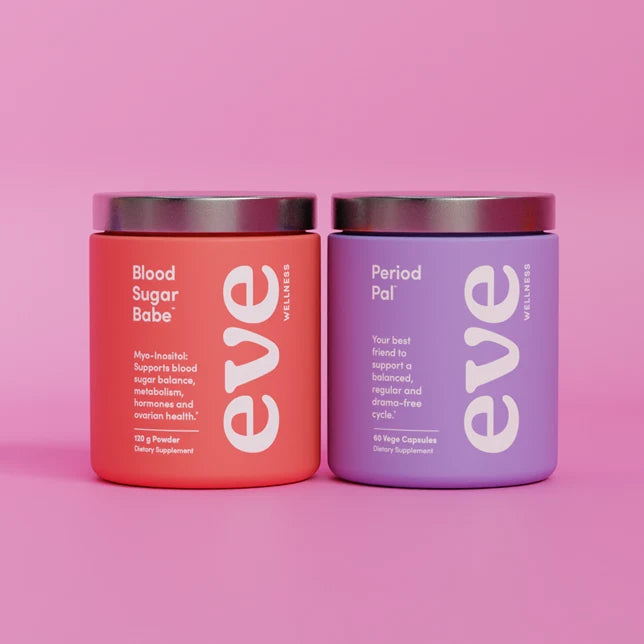
In case you’re not down with the gym-lingo, HIIT stands for ‘High-Intensity Interval Training’, which happens to be the latest craze taking the fitness world by storm. The well-researched advantages of HIIT training include its calorie-torching efficiency, fat-burning powers and after-burn effect which keeps your metabolism firing for hours after you finish working out. But there’s a catch. Like the vast majority of studies in the field of exercise science and nutrition, most of these were only done on men. It’s not meant to be discriminatory (although it is!), it's just that men are much simpler research subjects - they don’t have a menstrual cycle, their production of sex hormones doesn’t change much day-to-day, and isn’t so easily affected by stress and other factors. The issue is, women aren’t small men. The fact that we have periods and cycles is just the tip of the iceberg in differences between male and female physiology. HIIT can be a great tool for both fitness and mental health, but it can also put a lot of undue stress on the female body if certain measures aren’t taken before, after and between sessions. Here are the key ways to support your body to HIIT without hitting your hormones. 1. RECOVER JUST AS HARD AS YOU TRAIN If you’re HIIT’ing it most days, you may be doing more harm than good to your fitness goals. The gains you get from training aren’t in the workout itself, but in how you recover from that workout. Women take longer to recover fully from intense training compared to men, particularly during the luteal phase of our cycle (more on this soon). We need a minimum of 48-72 hours rest between intense sessions to maximise recovery, which means you’ll want to keep your HIIT workouts to a maximum of 2-3 per week. To maximise recovery in between sessions, Get plenty of sleep. Sleep is probably the most underrated recovery tool around. For every hour of intense exercise you do, aim for an extra 1-2 hours of sleep. Eat enough food, particularly protein to support your body in repairing and rebuilding broken down muscle tissue. Do some gentle movement, stretching or mobility work to get blood flowing to your muscles without further stressing them. 2. FUEL YOUR BODY To partake in intense exercise, while keeping your stress and sex hormones happy, it’s important to be well fuelled for your workouts. Hitting peaks of intensity during exercise requires the anaerobic energy system, which can only use glucose (carbohydrates) and glycogen (glucose stored in the liver and muscles) for fuel. Once the body has depleted its glycogen stores it becomes catabolic, releasing cortisol to help break down muscle tissue for protein and amino acids to make glucose. Trust us, a surge of stress hormones and a side of muscle catabolism is NOT what you want from your workouts. Simple, easy to digest carbs such as a banana, a few snack balls or a slice of toast before a session can make all the difference to your energy levels, recovery and hormone health. Due to the incredible, yet very demanding feat that is growing and birthing a baby, women are particularly sensitive to low energy availability (A.K.A not eating enough for the exercise you are doing). Pushing through workouts without the right fuel in your tank can backfire by down-regulating your thyroid function, and slowing your metabolism. If fat loss is your goal, don’t fret. Your body will naturally burn fat for fuel for hours after your workout, and during lower-intensity sessions. By supporting your lean body mass and metabolism, you’ll make it easier for your body to drop excess weight without throwing your hormones out of balance. 3. HONOUR YOUR CYCLE How many of us have experienced the phenomenon, where one week you’re killing it in a HIIT class, the next week the same workout feels So. Much. Harder. That’s not your fitness levels changing, it’s your hormones. Unlike men, female hormones, energy levels, and desires fluctuate in a monthly cycle, rather than a daily one. These hormonal shifts that take place across the month can make all the difference in both how you feel during exercise, as well as how your body responds to it. HIIT will always feel better during your follicular phase, which is roughly days 3-14 of a 28-day cycle (if your cycle is longer than this, your follicular phase will be as well). At this time, you’ll generally have more energy, recover faster, and be better at using carbohydrates for energy and hitting higher peaks of intensity—thanks oestrogen! After ovulation (the main event of your cycle), a surge of progesterone raises your core body temperature, and alters your metabolism to favour burning fat for fuel. This is known as the luteal phase of your cycle, and is a time where it's harder to exercise at intensity, we need more recovery time and often experience lower energy levels. If you take one thing from this blog, let it be this: Don’t be afraid of slowing down in the second half of your cycle, to hold on to the strength and fitness gains you’ve made in the first half. Listen to your body. The luteal ‘higher-hormone’ phase makes it more difficult to build and maintain muscle and stay hydrated during exercise. For the everyday athlete, you may be better off slowing down, recovering and hitting your next follicular phase feeling well-rested and excited to get back into it. WHEN IS IT TIME TO SLOW IT DOWN? When it comes to HIIT, more is not more. Adding a high-stress form of exercise to a high-stress lifestyle is often not the best idea for balanced hormones, energy and moods. If your candle is burning at either end and a bit in the middle, it might be time to reassess your fitness regime to better support your health and hormones. Signs you’re overdoing it can include: Fatigue and flat out exhaustion; Persistent insomnia; Feeling irritable and ‘hangry’ after a few hours without eating; Missing periods, or irregular periods; Increased feelings of overwhelm and anxiety; Hair loss; Low libido. If any of these resonate with you, it may be time to take a break. Opt for lower intensity and restorative forms of exercise, get more sleep, and add more gentle carbs to your diet, such as potatoes, kumara and gluten-free whole grains. Need some extra support? Meet Period Pal - every woman's best friend to support a balanced, regular and drama-free cycle.
Learn more
How To Support Your Sex Hormones in Your 20s, 30s, 40s & Beyond
The journey of womanhood is pretty incredible, just as we evolve and change throughout our life, so do our hormones. Each age and stage brings subtle shifts in our physiology, and its own challenges keeping everything in check. Wherever you are on the incredible journey that is womanhood, here are the key ways you can look after your hormone health, to feel your best inside and out. IN YOUR 20'S It’s a bit of a common misconception that you don’t need to pay much attention to your hormone health in the early days of womanhood, but this couldn’t be further from the truth. Establishing regular, ovulatory, and drama-free cycles in your 20’s helps to lay a strong, balanced foundation of hormone health to see you through the rest of your adult life. While you might think you’re welllll out of the puberty-woods by this stage, according to Dr. Jerilynn C. Prior, a Canadian endocrinologist with expertise in reproductive hormones, it can take up to 12 years(!!) to develop a mature menstrual cycle with healthy, regular ovulation and optimal level of progesterone. Throw into the mix challenges like alcohol, starting out in the working world, navigating contraception options, relationships, and a whole lot of pressure to know what the heck you’re doing with your life, and it really is no surprise more and more younger women are having a hard time reaching this stage and are experiencing signs of hormone imbalance. A few key tips for this time of your life: Develop a good relationship with your body, and get friendly with your unique cycle. Learn what your normal is, and pay attention to things that don’t feel right. Learn about the different hormonal phases of your cycle, and understand that you’re going to have different energy levels, strengths and desires at different times of the month. Use these hormonal shifts to your advantage. Make an informed decision about contraception, and opt for a non-hormonal form if this is an option for you. Don’t settle for your symptoms! PMS, acne, painful periods, and mood swings aren’t ‘normal’ and they don’t have to be your norm either. Find out what your body is trying to tell you through these signs and work to restore balance in your body. IN YOUR 30'S We’ve spoken to a lot of mums who have told us a similar story: since becoming mothers they don’t feel like their hormones have ever eased back into balance. In fact, the process of growing, birthing and caring for a tiny human is one of the most common causes of hormone imbalance in women in their 30’s, but there are ways you can support your body through this phase, and get your hormone health back on track. To help balance your hormones after baby, it’s important to replenish your nutrient stores. A growing baby will take whatever nutrients it needs to develop, which can often leave new mums massively depleted postpartum—also known as ‘postnatal depletion’. Key nutrients, such as zinc, magnesium, b-vitamins, selenium, iodine and omega-3 fatty acids play an important role in hormone production, along with detoxification, energy, metabolism and producing the neurotransmitters we need to support our moods & mental health. To make sure you’re getting enough to top your nutrient-tank back up, prioritise eating regular, nourishing meals - kids leftovers aren’t going to cut it, sorry! We also recommend supplementing with a quality multivitamin or prenatal, throughout the postnatal period. IN YOUR 40'S Supporting your hormone balance in your 40’s helps to set you up for a smooth—or at least smoother - transition into the next phases of womanhood: peri-menopause and menopause. Two key pieces of this easy-menopause-puzzle are your adrenal health and oestrogen balance. By adrenal health, we’re talking about the stress hormones that are pumped out of your adrenal glands on a daily basis. Heading into peri-menopause a stressed, frazzled, hot-mess is a direct recipe for hot flashes and mood swings. To lower your stress levels and nourish your adrenal health, make sure to: Give yourself permission to say no, and to take time for you. You don’t need to be supermum, learn to delegate. Prioritise rest and sleep. Go to bed early and sleep in when you can - your stress levels and hormones will love you for it. Start your day with a nourishing, protein-rich breakfast, and eat regular, balanced meals throughout the day. Starting with balanced oestrogen levels is another important factor in making the peri-menopausal transition as easy and symptom-free as possible. IN YOUR 50'S & BEYOND The transition from peri-menopause into menopause and post-menopause is a gradual process and one that is very individual. While some women can stay in peri-menopause for several years, others transition much quicker from regular cycles to no cycles at all. Menopause is officially diagnosed when a woman has had no periods in 12 months, the average age of which is around 52 in NZ. There’s a reasonably strong genetic link, so asking your mother about her experience can often give you a good estimate. After menopause, the ovaries take a very well earned rest and hand over the production of a small amount of sex hormones to the adrenal glands and fat cells. At this time, two important considerations for hormone health are blood sugar balance and movement. Without monthly surges of oestrogen and progesterone, we no longer reap their benefits for insulin sensitivity, metabolism and maintaining muscle and bone health. Because of this, eating a balanced, whole-food diet with plenty of healthy fats and quality protein is important for keeping your blood sugar levels balanced. Low and stable hormones post-menopause mean that your body is less sensitive to stressors such as low carb diets and intermittent fasting. If you feel better eating in these ways, listen to your body and go ahead. Gentle forms of resistance training such as pilates and body-weight movements are also now your best friends for holding on to your lean body mass, and all of the wonderful benefits it has for mobility, bone health, and metabolism.
Learn more
Natural Fertility After The Pill & Pregnancy (As Told By A Fertility Nurse)
This blog has been written by Bex Henderson - Registered Nurse, Fertility Nurse, Natural Fertility Educator and the face behind Seed Fertility. Taking the contraceptive pill and pregnancy are completely different situations however they both have something in common - BOTH suppress the hormones involved in your menstrual cycle, meaning you won’t ovulate so can’t become pregnant. After either situation, your fertility and a functioning menstrual cycle needs to get back into gear. FERTILITY AFTER HORMONAL BIRTH CONTROL If you have decided to come off the pill (or another form of hormonal contraception) and the time is right for you to try for a baby, there is going to be a time of adjustment for you and your hormones. It is different for everyone however it may involve a bit of patience. It is common for females to take the pill for long periods of time – often up to ten to fifteen years. What many are now realising is that the pill completely shuts down your reproductive system, and the bleeds you have while taking the sugar pills are not actually a true period – just a side effect of withdrawal from synthetic hormones. So, when you decide to stop the pill, it can actually take a while for your hormones and ovaries to get back into rhythm and join the party. Taking quality nutrients to replenish stores that have been depleted during your time on the pill can not only help your ovaries and menstrual cycle to start functionally optimally more quickly, but is also a great way to ensure your body has the nutrients it needs to grow a healthy baby when you do conceive. FERTILITY AFTER PREGNANCY After pregnancy, if you are exclusively breastfeeding you are likely not to have a period for around 6 months (depending on how often your baby feeds, and if they still have a night feed). If you are not breastfeeding, your period may return around six to eight weeks after giving birth. But everyone is different and there are no set rules to this. So, how do you know when your hormones are back to normal and you are fertile or ovulating again? This is where charting your cycle with the Mucous Method comes in, to detect your return of fertility and monitor it going forward. THE MUCOUS METHOD The Mucous Method is a well-researched method of Fertility Awareness, focusing on cervical mucous patterns to tell when you are fertile, and not fertile in your cycle. Research has found that the most accurate way a woman can identify for herself the fertile and non-fertile phases of the menstrual cycle is by observing and sensing cervical mucous at the vulva. You do need to be taught how to do this, but once you’ve got the hang of it you can tell if you are fertile or not today and every day. The great thing is it’s simple to learn and doesn’t rely on any devices such as thermometers and urine ovulation test kits which have their limitations. It’s a free, inbuilt fertility detector, and you know you will get the timing right each and every cycle. The Mucous Method can be used in any length or type of cycle to increase your chances of conceiving. If your cycles are irregular, long or even if you are still partially breastfeeding, you can determine when your body is gearing up to ovulate, and also tell if it didn’t actually happen (more common than you might think). If you have recently come off hormonal contraception, it might be a while before you start to notice any mucous, showing that there is not a lot of hormonal activity. And when your period does come back, the time between ovulation and getting your period can be short for a few cycles, showing you are not yet fertile. Daily charting will show when things start to change, and if there are any potential issues. So, if you’re aiming for pregnancy then take control of your situation! Maximise your chances of conceiving with quality nutrients, or identify any potential hormonal issues with your cycle which may need investigating.
Learn more
5 Tips to Spring Clean Your Home for Happy Hormones
Synthetic substances and toxins are everywhere. If you live any kind of modern life, it’s pretty much impossible to avoid all forms of these chemicals which like to meddle with our hormones. However, while some toxin exposure is inevitable, there is still plenty we can do to minimise the amount of chemicals we breathe, ingest and absorb on a daily basis. Let us explain. WHAT THE HECK ARE ‘XENOESTROGENS? While it might sound a bit like a heavy metal rock band - xenoestrogens is the name given to a type of sneaky chemicals in our environment that aren’t oestrogen, but are close enough in molecular structure that they can bind to oestrogen receptors and mimic oestrogen in the body. As you can imagine, adding these foreign oestrogens to our own natural oestrogen can contribute to oestrogen overload and symptoms of hormone imbalance over time. In women, this can feel like: Increased PMS symptoms Stubborn weight gain (particularly around the hips, butt and thighs) Heavy, painful or irregular periods Bloating Premenstrual headaches Low energy or fatigue (no matter how much sleep you get) Tender breasts Mood swings, particularly feeling weepy, emotional or irritated. And in men: ‘Man boobs’ (gynecomastia if you want to be fancy) Increased body fat in the upper chest and obliques Sexual dysfunction and infertility Long term associated risk of prostate cancer Penis shrinkage. Yup, you read that right. But don’t freak out, in this blog we’ll explain the key places xenoestrogens hang out in your home and what you can do to ditch them. 1. YOUR KITCHEN CUPBOARDS As it turns out, plastic isn’t so fantastic - for the environment, or our hormones. Bisphenol A (BPA) is now one of the most widely produced synthetic chemicals in the world, and is added to most plastics. BPA creates plastic that is shatter-resistant, lightweight, transparent, has high resistance to electricity and heat, and oh yeah, is xenoestrogenic! To low-tox your kitchen cupboards, clear out: Plastic drink bottles (both single use and refillable), even those that say ‘BPA free’ often use an equally toxic substitute - BPS; Plastic food wrap; Plastic containers; Old plastic bags and receipts; The good news is there are now so many options for glass and stainless steel storage options and food wrap alternatives. We love reusing old jars to store leftovers - coconut yogurt jars are particularly fantastic. 2. YOUR FRUIT AND VEG DRAWER While you’re in the kitchen, let’s give your fruit and veg drawer a spring clean as well. Many conventional herbicides and pesticides contain xenoestrogens, which kind of sucks because they’re so good for us in so many other ways and something we definitely don’t want to go without. Ideally, we’d all grow our own produce, but that’s not super realistic so here are the next best things: Buy your ‘Dirty Dozen’ (the 12 most heavily sprayed produce) from an organics store... ...Or from your local farmers market (it may not be certified organic, but there’s a good chance it will be a lot closer to it than what’s in the supermarket). If you can’t buy organic (we get it, it can be pricey!) - give your fruit and veg a bit of a soak to reduce sprays and pesticides. Simply fill your sink with water and add a few tablespoons of apple cider vinegar and let them hang out there for a while before rinsing and storing in the fridge. These can help to eliminate or at least minimise your exposure to the chemicals sprayed on conventional produce. 3. YOUR BATHROOM CUPBOARD Your skin absorbs up to a whopping 60-70% of what we put on it—crazy, we know! This is why using skincare and body care products free from harmful toxins and chemicals is so important. In these products, you’ll want to watch out for a nasty endocrine-disrupting plasticiser known as phthalates, used in skincare products to moisturise and soften the skin. Two decades of research on this chemical has found strong links to hormone disruption, infertility and potential harm to an unborn baby during pregnancy. Definitely something we want to avoid! On labels, phthalates often hide behind the terms DEP, DBP, DEHP and ‘fragrance’ - a term often used by cosmetics companies to hide unfriendly ingredients. Something else worth checking out while you’re in the bathroom is the deodorant and period products you have on hand. Many mainstream tampon brands use odour neutralisers, dyes, pesticides and fragrances - trust us, you don’t want any of these nasties anywhere near your (highly-permeable) vagina wall. There are some awesome brands out there making period products from 100% certified organic cotton such as Tom Organic and Organic Initiative. Mainstream deodorants contain synthetic fragrances and aluminium. Opt for a natural one without the nasty’s (that still works). We love Little Mango. 4. YOUR MAKEUP BAG Just like skincare products, your makeup collection can often host a storm of not-so-friendly chemicals. Lipstick with a side of lead anyone? The reality is, we know very little about what goes into the products we put on our face, which also happens to be one of the most absorbent areas of the body, (along with the underarms and genitals in case you were wondering). As far as makeup goes, try to keep your products as clean as possible. Saying goodbye to your old trustys can be pretty emotional, but there is a great range of natural makeup and beauty products on Oh Natural. 5. YOUR LAUNDRY & HOUSEHOLD CLEANING PRODUCTS What we clean our homes, clothing and bedding with leaves residues of which we end up absorbing and ingesting a small portion of. Dish washing liquid, laundry powder, and surface cleaner, are the three products we come into contact with the most. Conventional cleaning products are often laced with xenoestrogenic chemicals and fragrances, but the good news is these days there are plenty of other options! Brands such as Ecostore create household, laundry and personal care products that are free from harmful and unnecessary chemicals and available in supermarkets. For a thrifty tip, you can also use pantry-staple items such as vinegar, baking soda and lemon to clean stubborn dishes and surfaces. BUT REMEMBER.. Switching out your old faithfuls for more hormone-friendly alternatives isn’t something you need to do all at once! Making small changes over time, replacing beauty and skincare products with natural alternatives as they run out is a great approach. Remember, all of the little things we do add up.
Learn more
Spring Clean Your Plate (With These 5 Hormone-Loving Nutrients)
If there’s two things we totally geek out over, they are 1. Hormones and 2. Nutrition—two things that are more closely linked than you might think. This is because the food we eat, and the nutrients our body gets from that food is important for every chemical process that takes place in the body; such as growth and repair, energy, metabolism, detoxification, hormone production and function. When we lack these nutrients, our health and vitality can suffer. BUT, BEFORE WE START As you’ve probably already heard us bang on about - a nutrient-dense whole-food diet is your best plan of attack for getting a good dose of hormone-loving nutrients on the reg. Ideally, we’d all eat less of: Refined sugars; Alcohol; Gluten-containing grains; Processed foods; Dairy products; Canola, soybean, sunflower and rice bran oil. And eat more of: Leafy greens; Cruciferous vegetables; Starchy vegetables and fruit; Grass-fed / free range meat, poultry & eggs; Avocado; Wild caught fish; Cold pressed olive, coconut, avocado & macadamia oil; Nuts & seeds. But we’re also realists, and know that the reality is most of us aren’t eating an abundance of leafy greens, organ meats, fatty fish, nuts and seeds every single day. We’re busy! Some days you eat toast for dinner and call it a day and that's life. Knowledge is power, and understanding how these foods supply us with the nutrients our bodies need to do their thing helps to steer our food choices in the right direction, and makes eating well a powerful form of self respect. Here are 5 key hormone-loving nutrients to make sure you’re getting plenty of this spring cleaning season. 1. ZINC Zinc is a trace mineral that’s required for over 300 enzyme (chemical) reactions in the body. One of the many reasons we love zinc is the way in which it supports regular, ovulatory cycles in women. This wonder-mineral nourishes ovarian follicles (eggs) and promotes ovulation, which we know is essentially the ‘on-switch’ for female sex hormones. In addition, zinc also lowers inflammation, supports wound healthing and blocks excess androgens—making it the MVP nutrient for healing and preventing hormonal acne. Although we only need small amounts of zinc, it isn’t all that easy to get through food and is sometimes tricky to absorb. Key sources include oysters, mussels, lean red meat and pumpkin seeds. 2. VITAMIN B6 Vitamin B6 is another ovary-loving nutrient and one that you’ll definitely be wanting to get plenty of if you experience lower moods or symptoms of PMS before your period. Basically, this star vitamin supports hormone balance by helping us both make new sex hormones, and get rid of old ones we no longer need. Vitamin B6 is essential for the synthesis of sex hormones (from cholesterol), particularly progesterone, and plays a key role in the production of key neurotransmitters in the brain including GABA, dopamine and serotonin. Your liver also loves Vitamin B6 as it helps it do its job and promotes the healthy metabolism of old oestrogen down more ‘friendly’ pathways. Vitamin B6 is commonly found in protein-rich foods including fish, chicken and turkey, as well as chickpeas, bananas and sweet potatoes. 3. IODINE Iodine is a key mineral that is best known for its essential role in the normal functioning of the thyroid—a gland responsible for growth, brain development and metabolic rate; however iodine plays an important role in hormone health too. Iodine promotes healthy oestrogen metabolism, down-regulates oestrogen receptors and stabilises oestrogen-sensitive tissues, including the brain, ovaries, uterus and breasts. Low levels of iodine in the body can make these tissues more sensitive to oestrogen, which is why breast tenderness and heavy periods can be key signs of iodine deficiency. New Zealand soils are typically low in iodine, resulting in low levels of iodine in locally grown produce. The best food sources of iodine are seafood, seaweed, kelp and iodised salt. 4. MAGNESIUM Magnesium is a mineral that supports relaxation in our bodies. In times of stress, our cells actually dump magnesium to rev up our sympathetic nervous system - making it a common nutrient deficiency in the fast-paced modern world we live in. Magnesium supports hormone balance by regulating cortisol (our main stress hormone), promoting restorative sleep and helping to balance blood sugar levels and insulin sensitivity. If you drink coffee or alcohol on a regular basis, chances are your magnesium stores could do with a top up. Magnesium-rich foods include leafy greens, avocado, almonds, pumpkin seeds, gluten free wholegrains and cacao. Supplementing is also a great way to support your nervous system and hormones. The cool thing about taking a high-dose, quality magnesium supplement is that you can often feel the relaxing effects quite quickly. 5. OMEGA-3 FATTY ACIDS Omega-3s are an important type of fatty acids that cannot be made by the body, and must come from food instead. Omega-3 fatty acids support both hormone production and function and host powerful anti-inflammatory benefits in the body. They are also a part of the cell membrane (protective layer) of every single cell in your body. There are three different forms of omega-3 fatty acids: Alpha-linolenic acid (ALA) - found in plant foods such as flaxseeds, chia seeds and walnuts. Docosahexaenoic acid (DHA) and Eicosapentaenoic acid (EPA) - found in fish oils (think salmon, tuna, anchovies, mackerel, and sardines), and marine plants such as krill and algae. DHA and EPA are the most bioavailable forms, as the body must convert ALA to DHA and EPA before it can be used. If you’re not eating fatty fish 2-3 times per week you may also want to consider supplementing with a quality Omega-3 supplement. As you may have noticed, some key nutrients for hormone health aren’t all that easy to get through everyday foods, especially if you follow a vegan or vegetarian diet. While not meant to replace nutritious foods, quality supplements can help to prevent nutrient deficiencies and support your bod in functioning well and feeling good.
Learn more
5 Ways To Spring Clean Your Mind With Self Care
Incorporating self care practises into your daily routine helps to lower stress levels, and lowering stress levels has a lovely flow-on effect on our hormones. Here are 5 free and readily accessible self care practises we love for maximum chill in a low-maintenance kind of way. 1. GET A DAILY DOSE OF SUNLIGHT & FRESH AIR (IN THE MORNING WHEN POSSIBLE) Taking time each day to get outdoors and soak up the fresh air and natural sunlight is #selfcare for both your body and mind. Those daily walks you loved so much in lockdown? Let’s make them a thing out of lockdown as well. Taking a walk in nature either alone or with a loved one is not only therapeutic, it’s also a super powerful way to balance our natural cortisol (stress hormone) rhythms. Hundreds of years ago before our modern-day comforts, there were plenty of cues from our environment that kept our cortisol rising and falling at the right times. The most important of which were the orange light of sunset and bright bluish light of dawn that signalled to the brain that it was time to sleep and time to rise. These days in our artificially lit homes and offices - changes in natural light are a lot less obvious, but we can still reap the benefits. Exposing yourself to morning light within an hour of waking each morning can help to set you up for the day by boosting your energy, mood and brain power. Make it a habit and report back! 2. GET YOUR YOGI ON WITH ‘LEGS UP THE WALL’ Technically a yoga pose, known as ‘Viparita Karani’, this one really is as simple as it sounds - yet super effective. Lying on your back with your legs resting up a wall is incredibly calming on the nervous system. You will likely find that in this position, you automatically drop into a slower and deeper pattern of breathing, and feel relaxed very quickly. This position also increases blood flow to your digestive and reproductive organs, which can help to ease bloating and period cramps. Try doing it before bed to support deep, restorative sleep, 5-10 minutes is all it takes. 3. SAY NO - AND DANCE IN THE SPACE YOU CREATE JOMO is the new FOMO. The joy of missing out is oh so sweet. Get comfortable saying no, putting yourself first and doing so without guilt. Just because you’re technically not ‘busy’ with something else, doesn’t mean you have to say yes to every invite you get. Obviously there are times when you’ve got to be there for your friends and family, but there are also times where you can give it a miss and recharge your energy instead—it’s all about picking and choosing accordingly. Don’t feel guilty if someone invites you to do something and you turn them down in order to stay home and bake or read or do the laundry. That time is golden, and it’s yours. 4. SORT OUT YOUR SLEEP - THE ULTIMATE CHILL Sleep is one of the best natural healers around, plus the magic moment of calm and contentment after waking from a 10/10 sleep is kinda hard to beat. To support the long, deep, delicious kind of sleep dreams are made of, try the following: We know it’s boring but seriously, put your phone on flight mode at 9pm on the other side of the room (or even better, in another room) and don’t touch it until the next day. Use a dim bedside light, or better yet use a salt lamp or candles to light your bedroom. Read a good book to help calm your mind, while lying on your bed with your legs up the wall. Get a good quality magnesium supplement (we are beyond obsessed with All Systems Glow) or have an epsom salt bath before bed. Invest in good quality, soft, breathable sheets. Overheating is not sleep’s friend. Even small amounts of light can disrupt melatonin production (your sleepy hormone) so make sure your room is dark and cover any lights from TVs, electric clocks etc. Thank us when you wake up. 5. GIVE YOUR MIND A BREAK WITH A DIGITAL DETOX When was the last time you switched your smartphone off? And no—a dead battery doesn’t count! Most of us probably can’t remember. Our devices are really quite demanding creatures with notifications pinging left, right and centre. While staying up to date with our friends, family and favourite brands (*cough* Eve *cough*) is great, being constantly connected and reachable is one of the most energy-zapping phenomena of our modern world. Consider trying a ‘digital detox’ over a weekend. You might be surprised how much time and energy you free up for other areas of your life.
Learn more
RECIPE: Eve’s Flourless Banana Bread
The star of lockdown season one, banana bread, is ready for its comeback. It’s easy to make, uses ingredients you probably already have at home, and contains gluten free whole-grains and no refined sugar - making it a more nutritious, hormone-loving option than your standard banana bread. Ingredients 2 eggs 3-4 large overripe bananas ¾ c oats ½ c buckwheat (or just extra oats) ¼ c desiccated coconut ½ c coconut oil or butter, melted 1 TBS apple cider vinegar (makes it light and fluffy) 1 tsp vanilla essence 1-2 TBS maple syrup or honey 1 tsp ground cinnamon 1 tsp baking soda Pinch of salt ½ c dark chocolate, chopped (optional) Method Preheat oven to 180℃ Add all ingredients except chocolate to a blender or food processor and blend until smooth. Fold chocolate through the mixture. Pour mixture into a lined loaf pan and bake for 45-50 minutes until golden brown. Slice and enjoy once cooled. This banana bread is great served with coconut yogurt, or toasted and topped with butter, chia jam or your favourite nut butter. Enjoy! Remember to share your delicious creations with us at @evewellnessco_ Eve x
Learn more
How Your Hormones Affect Your Hair, Skin & Nails
The notion that a healthy outside starts on the inside is nothing new. Which is great, because ‘glowing from the inside out’ is a health trend we can totally get behind. So, what exactly do we mean "from the inside"? Well, there are a whole range of factors such as what we eat, what our stress levels are like, and the lesser talked about- what our hormones are up to. Our hormones affect more than just our moods and our periods, and they can make all the difference in our appearance. Here’s a run down of the important role our hormones play in healthy hair, glowing skin and strong nails. 1. Your Hormones & Your Hair Our hormones play an important role in the growth and health of the hair on our head and body. Here are a few hair-related signs of hormone imbalance. Hair Loss In both men and women, androgen hormones, such as testosterone & DHEA determine hair growth (or lack thereof). In many cases, hormonal hair loss is linked to an imbalance in a potent testosterone metabolite called dihydrotestosterone (known as ‘DHT’), which can shrink and damage hair follicles. Higher levels of testosterone & DHT is common in women with PCOS, insulin resistance and those experiencing a post-pill androgen surge. Body Hair Growth As a wicked twist of fate, as well as shedding the hair on your head, an excess in androgen hormones and DHT can also result in the growth of unwanted body hair on the face, chest and back. In both cases, low levels of progesterone can worsen the impact of androgens on hair follicles. This is because progesterone helps to block the enzyme 5 alpha-reductase which converts testosterone to DHT. Dry & thinning hair Along with nutrient status and thyroid function, the health of our hair is closely linked to oestrogen, which helps to grow a full, thick head of healthy hair. Lower levels of oestrogen can affect the health of our hair, which is why women going through menopause, or experiencing a big drop in oestrogen after giving birth can experience dry and thinning hair. Don’t panic, as your hormones return to normal postpartum and (your body recoups the nutrients it used to grow a small human), your hair should return to normal. 2. Your Hormones & Your Skin Are you doing all the skincare but your skin just doesn’t seem to care? In our opinion, hormone-care is just as important as skincare for healthy, hydrated and glowing skin. Here’s how our hormones affect the health, aging & appearance of our skin. Skin health When it comes to the overall health of your skin, oestrogen in the right amounts is your best friend. Oestrogen binds to receptors on skin cells and promotes collagen production, skin hydration, thickness, elasticity, healing and improved barrier function. One study also found that many women self-report more sensitive skin around the time of their period, which researchers suspect could be due to low levels of oestrogen at this time of the cycle. Skin aging Along with oestrogen, DHEA also helps to keep skin plump and hydrated, and is often referred to as ‘the fountain of youth’ for its anti-aging qualities. DHEA is produced by the adrenal glands, and acts as a precursor to other sex hormones, such as oestrogen and testosterone. DHEA in the body declines with age as well as with stress, which is why managing your stress levels and getting your beauty sleep really is key for glowing, youthful skin. Acne We have a collection of other blogs dedicated to hormonal acne so we’ll keep this one brief. Similarly to hair loss and body hair growth, hormonal acne is linked to an imbalance between androgen metabolites and the hormones that keep them in check— oestrogen & progesterone. Androgens crank up the production of sebum (skin oils) along the jawline, cheeks, chin and neck. In short, the more oil that builds up, the more likely you are to develop hormonal acne. 3. Your Hormones & Your Nails Similarly to how oestrogen nourishes hair and skin, this beauty-promoting hormone also helps our nails grow strong and healthy. Hydrated nails are healthy nails, and oestrogen helps to keep water in body tissues. This means lower oestrogen levels can contribute to dull, yellow-ish fingernails. Our sex hormones can also affect how fast nails grow. For example, during pregnancy, where oestrogen and progesterone climb to the highest levels of a woman's lifetime, many women also experience rapid nail growth. Along with hormones, other factors that play a role in growing strong, healthy nails are nutrient status, amino acid (protein) availability, and thyroid function. Above all else, hormones & beauty is a balancing act When it comes to hormones and beauty, balance is key. For healthy hair, skin and nails, we need our levels of key sex hormones to be just right.
Learn more
The Big ‘O’ (...Not The One You’re Thinking Of)
In this third instalment of our cycle series, we’re taking a closer look at the third phase of your cycle: the ovulatory phase. We talk a lot about ovulation, and for good reason—it’s kind of a big deal when it comes to hormone health - as you’ll see below. What is ovulation and why is it so great? Ovulation is the release of an egg from its follicle, into the fallopian tube. It is the main event of the menstrual cycle and usually takes place between days 13-21 of your cycle. Ovulation is not only essential for baby-making, but for balanced hormones, stable moods and general good health—now, and in the future. Ovulation is essentially an 'on' switch for our hormones. As our ovaries prepare to release an egg each month, they produce oestrogen. Oestrogen in the right amounts stimulates serotonin - our feel good hormone, boosting our mood and energy levels in the lead up to ovulation. Ovulation then occurs when oestrogen and testosterone are both at their peaks, making us feel confident and sexy. This is also the time when your sex drive is at its highest, conveniently also when you are the most fertile (hormones are smart hey?). After ovulation, oestrogen levels fall away rapidly and the corpus luteum (that once housed the maturing egg) releases progesterone. We like progesterone. It’s our ‘pro-gestation’ hormone that supports pregnancy, but it’s also our lovely soothing hormone that: Balances the effects of oestrogen; Calms our mood; Supports good sleep; Helps us use fat for energy; and Fires up our metabolic rate. When oestrogen and progesterone ebb and flow in the right ratios, the result is regular, PMS-free periods (yay). New research also suggests that having ovulatory cycles that produce adequate levels of both oestrogen and progesterone when you are younger can protect against osteoporosis, certain cancers and even cardiovascular disease later in life. Meaning that you can support your future self’s health simply by ovulating regularly - how great? A wee note on ovulation and fertility: after ovulation, the egg lives for just 24 hours in the fallopian tube, where it can be fertilised by one charming, lucky sperm (which FYI, can live for about 5 days in fertile fluid). If you want to get pregnant, this is the time to get busy. If not, you want to be extra careful. How can I tell if I've ovulated? That lovely hormone progesterone we just talked about, also affects our basal body temperature (BBT), warming us up by about 0.3-0.6ºC. Tracking your cycle and recording your BBT first thing each morning is enough to detect this jump in body temp that confirms ovulation has occurred. There are a few other ways to tell if and when you are ovulating as well, these are: Ovulation predictor kits. Essentially strips that detect LH (luteinizing hormone) in your pee. A positive reading means you are likely to ovulate soon. Symptom tracking. Ovulation can cause a slight cramping to one side of the lower abdomen (where your ovulating ovary is located) and/or spotting in some women. It also changes cervical fluid (resulting in thicker discharge) and boosts sex drive. These things can all indicate ovulation time. I get my period so I must be ovulating, right? Not exactly... It's absolutely possible to have a period without actually ovulating or having had a fertile window. This is called an anovulatory cycle and let us tell you, they are no fun. Without ovulation, we can’t make progesterone in any amount worth mentioning and are more likely to experience heavier and longer bleeding with more PMS symptoms such as pain, mood swings, insomnia, water retention and tender breasts. Anovulatory cycles are more common in women who have irregular periods, however even a 28-30 day cycle can be anovulatory. Some common reasons for not ovulating, (regardless of whether you get a period or not) include: Over exercising; Stress; Poor nutrition; Being on hormonal birth control (such as the pill or Mirena), or recently coming off it; Being underweight; PCOS; Perimenopause; Thyroid issues; Certain medications. It is also worth noting that an anovulatory cycle is different from a luteal phase defect. In a luteal phase defect, you do ovulate, however progesterone doesn’t quite reach the level it should after ovulation. In this instance you will likely have short or irregular cycles. Although two completely different hormonal pictures, both can present with the same physical sensations (which is why we love testing to figure out exactly what’s going on before embarking on any hormone balancing journey). How do I support ovulation? This depends entirely on why you might not be ovulating in the first place. As a general rule, some great places to start for ovulation support include: Eating enough. Enough calories and enough carbohydrates for your body to know the world is a safe place (should you bring a baby into it). Don’t skimp on healthy fats or protein either, all are essential for happy hormones. Reducing stress. Easier said than done, we know. Try cutting back on additional stressors such as over exercising, caffeine and alcohol. Ensuring adequate nutrient stores. Some nutrients that support the ovaries in doing their thing are B-vitamins (particularly B6), magnesium, iodine, selenium and vitamin-D. Addressing any underlying inflammation. Try reducing or eliminating sugar, gluten, dairy and poor quality oils in your diet. Stabilising blood sugar levels. Without stable blood sugars, we will never have balanced hormones. Our hormones love it when we eat healthy fats, proteins and low GI carbohydrates and when you don’t skip meals. Considering additional support. Maca, vitex, melatonin, seed cycling and even acupuncture can support healthy, ovulatory cycles. Looking for extra support? Try Period Pal - every woman's best friend to support a balanced, regular and drama-free cycle.
Learn more