Eve Blog

The Health Ed You Wish You Had, Period.
If you’re anything like we were, from the time you found out that periods were a thing you haven’t really understood exactly what happens every month, and that’s ok. Aside from some awkward high school health ed or a cheesy tampon commercial - periods just aren’t one of those ‘talked about’ things. But, it’s our mission to change that... After all, around 50% of the population has a period every month of their adult lives—a normal, important, healthy process that as you are probably well aware, can have a pretty noticeable impact on how you think and feel. So here it is. No fuss, no sugar coating; just 10 of the most common, juicy period questions answered. 1. Why do we get periods? Every 28 days or so, the female body goes through the motions of laying down a fresh lining inside the uterus for a potential fertilised egg—whether procreating is on your to-do list that month or not. The arrival of your period marks the first day of your menstrual cycle. This is when your body sheds its uterus lining, along with all hope of pregnancy this month—an ‘out with the old, in with the new’ (in more ways than one). 2. Are periods necessary? Healthy, ovulatory cycles that lead to regular periods are a normal function of a thriving female body! While they are not essential to your life, many would argue they are essential to your health. This is because the hormones created by and for this process support your mood, bones, energy, skin, appetite, immune system, libido and more. Losing your period for periods of time (excuse the pun), is a sign from your body that something is up. 3. Can you period make you feel tired and anxious? During your period, both oestrogen and progesterone are at their lowest levels; in fact this is what triggers the bleed in the first place. Oestrogen supports energy, mood and confidence, and progesterone is more of a hormonal-chill-pill. Because of this, you might find yourself feeling a little more introverted, tired and even a little agitated. You’ll want to rest more than you usually would and a night of Netflix might seem a whole lot more attractive than a night out. This is only natural, be patient and gentle with yourself. 4. Why was my period late? It’s not always the most obvious potential reason… All sorts of diet and lifestyle factors can affect your hormones, which can in turn affect when your period arrives, such as: Going through a particularly stressful time; Sickness; Excessive exercise or restrictive diets; Changing time zones; Taking certain herbs, supplements and medications; Pregnancy and menopause. A little variation month-to-month is normal and to be expected, but if your periods are consistently irregular, you’ll want to investigate why this might be the case. 5. How much blood is too much blood? By medical terms, losing 80ml or more of blood during your period is considered heavy bleeding (or ‘menorrhagia’ if you wanna get technical). However, the reality is that an amount of blood in millilitres isn’t all that helpful in knowing whether or not you should be concerned with your bleeding. Some good indicators of heavy bleeding are: Consistently soaking through tampons in 2 hours or less; Needing to double up on menstrual products; Having your period for more than 7 days; Having to keep a very close eye on your flow to prevent leakage. In many cases, heavy periods are related to hormone imbalances related to oestrogen and progesterone, or the result of iron deficiency (anemia). If this is something you experience, we’d recommend exploring each of these areas of your health. 6. Are clots a sign that something is wrong? Not necessarily - a few small clots here and there are fairly normal on the first few days of bleeding and generally goes hand in hand with heavy bleeding. Your body releases its own anticoagulants to prevent your period from clotting as it sheds, but when there’s a lot of blood coming quite quickly, there’s not always enough anticoagulants to go around, or enough time for them to come into full effect. Provided they aren’t bigger than about 2-3cm and coupled with excessive blood loss, clots aren’t anything to worry about. 7. Is cramping normal? It's normal to feel a dull ache, feelings of heaviness, or even a light twinge in your lower pelvis or back in the first day or two of your period, and sometimes the day before it starts as well. This shouldn’t be anything that causes you too much pain, or prevents you going on with your day as usual. This is simply the result of your uterus contracting and relaxing to expel the cosy lining it has built in the past month —a perfectly healthy and normal process. Period pain that goes above and beyond this is not normal. Because so many people experience painful PMS it has almost become mainstream that you “just take a painkiller and deal with it”. But we’re here to tell you this doesn’t have to be your norm - check out our blog here to learn more about how to have a painless period. 8. Are periods on the pill 'real' periods? If we think of a ‘real’ period as a well synchronised dance of oestrogen and progesterone with ovulation as the main event, then no—pill bleeds are not ‘real’ periods. The oral contraceptive pill contains a combination of a synthetic form of oestrogen, called ethinyl estradiol, and one of a range of different forms of synthetic progesterone, known as progestin. Every day that you take an active pill, these hormones stay at the same level. The bleed you get when switching to the inactive pills is technically a withdrawal bleed—your body's response to the drop in synthetic hormones which causes the lining of your uterus to shed. Fun fact: the reason that this pill ‘period’ exists in the first place was an attempt to make birth control seem more acceptable to the Pope when they first came about in the 1960’s— oh how times have changed. 9. Is it true that your period syncs up with people you spend a lot of time with? Researchers have actually studied this and apparently it's not actually a thing... sorry to burst that bubble! However, there is science to suggest that our cycles can sync with the moon. Perhaps it's not such a coincidence that the moon’s cycle is also 28 days long? Take note and report back! 10. Is my period blood a normal colour? A normal, healthy period is bright red, although it may darken in colour on the heavier days and might get slightly brown towards the end. Dark red, brown or black is simply older blood that has taken longer to leave your uterus and has had more of a chance to mix with oxygen. Blood that is pink or watery and has a very light flow can be an indicator of low hormone levels and is worth investigating.
Learn more
3 Reasons Why Your Period's Gone MIA
It’s a common misconception that losing your period for months or even years at a time ‘just happens’, ‘is nothing to worry about,’ and our favourite myth: is ‘totally fine if you don’t want to have a baby right now.’ The truth is: if you are female, your period is an essential monthly messenger that gives you valuable insights into your overall health and your hormones. Being of reproductive age and not having a period is a sign from your body that something is up. While you’ll want to check in with a GP to rule out the more obvious causes, like menopause or ya know—a bun in the oven; here’s why periods are important, and 3 key reasons why yours might have gone M.I.A. Periods are an important indication of your health As endocrinology professor Jerilynn Prior puts it, “ovulatory cycles are both an indicator and a creator of health.” The hormones produced in a healthy cycle aren’t just essential for baby making—we need them to support our bones, skin, moods, gut, joints, energy, metabolism, and libido as well. Having a regular cycle is a good sign that your body is at least producing these key sex hormones—oestrogen & progesterone; even if they aren’t in the nicely balanced ratios we like to strive for. It’s absence is a sure sign that your hormone health is in need of some TLC, and is well worth investigating. Note: the bleed that you might have every 28 days while on the pill isn’t so much a period, but rather a withdrawal bleed in the break from synthetic hormones—but that’s a conversation for another day. Here are three factors that can lead to missing periods, or ‘amenorrhea.’ 1. Your body is stressed - physically, psychologically or otherwise The hypothalamus is a small gland inside the brain that plays an important role in recognising and responding to stress, as part of the HPA-axis. Hypothalamic amenorrhea is more or less the fancy name given to an adaptation of the female body to intense physical or psychological stress; and is commonly associated with overexercising, undereating, or being at a lower body weight than what’s natural and healthy for you. Why does this happen? Physiologically, your body has two priorities: Survival; and Reproduction. When we train too much and eat too little, the hypothalamus starts to get the vibe: “This world we’re living in is awfully demanding, and the food supply is a bit iffy? Probably best to put a hold on reproduction for the time being, and conserve energy in case we need it to survive.” It then proceeds to tell the pituitary gland to downregulate both follicle-stimulating hormone (FSH) and luteinizing hormone (LH)—two hormones that stimulate the ovaries and support ovulation. Without the usual communication from the brain, the ovaries essentially take a break and ‘go to sleep’ for the time being. The result of this is usually lower levels of both oestrogen and progesterone, and no monthly check in with mother nature. 2. Your androgens are higher Androgens are a group of “male” hormones that include Testosterone, DHEA, etiocholanolone and androstenedione. Women need them too, just in much smaller amounts than men do. Polycystic Ovarian Syndrome, or PCOS is a common hormonal condition that occurs when androgens are much higher than the optimal range, which can lead to long cycles, irregular cycles, or no cycle at all. Why does this happen? While a hormonal condition, PCOS is often driven by excess insulin or insulin resistance, which increases testosterone and other androgens and impairs ovulation—stimulating the ovaries to make more testosterone instead. Along with absent or irregular cycles, PCOS can lead to: Weight gain; Unwanted hair growth, Hair loss; Difficulty falling pregnant; Acne & oily skin. 3. You've recently quit hormonal contraception It can take longer than expected for your natural cycles to resume when you come off hormonal contraception (such as the pill, patch, ring, depo shot, and hormonal IUD). As a general rule, most women will see their periods return after 3 months off the pill. But if your periods were irregular before starting hormonal contraception, or you went on the pill shortly after getting your period for the first time, it will likely take a little longer for your hormones to start cycling again. Why does this happen? The synthetic estrogen and progestins in these forms of birth control suppress the production of your own natural versions of these hormones, and it can take a while for your body to start making them again when you stop taking them. When your brain starts talking to your ovaries again, you can expect it to be a little ‘awkward’ at first, especially if this line of communication has been suppressed for a long period of time—as is the case with many women. While post-pill amenorrhea is a fairly common occurrence, it shouldn’t always be assumed that other factors aren’t at play. The pill can do a great job at masking underlying hormone conditions, such as the above: hypothalamic amenorrhea and PCOS. If it’s been 6 months or more, it’s a good idea to get peace of mind and find out what’s going on. The bottom line Being of reproductive age and going months or even years without a period is a sure sign from your body that something is up. There are different reasons why this might be the case, each with different hormone pictures, and requiring different approaches in supporting your body back to balance.
Learn more
5 Common Hormone Imbalances in Women (And The Signs To Look Out For)
We get it, hormones can be confusing! They’re biochemicals that can't be seen or touched, but are powerful enough to make us feel like heaven or hell. Feeling ‘hormonal,’ isn’t a particularly new concept for many of us—but the actual imbalances in our key sex hormones behind these physical sensations and mixed emotions can be another story. Simply speaking, when you’re feeling “hormonal” - your body is trying to tell you something. Here’s what we’ve found to be the 5 most common imbalances. 1. Lower levels of progesterone Progesterone is a lovely calming and soothing hormone that balances the effects of oestrogen and supports pregnancy (hence the name, ‘pro-gestation’). A few other amazing benefits of progesterone include supporting sleep & relaxation of the nervous system, boosting metabolism and helping you use fat for energy and generally helping you feel calm and balanced throughout the second half of your cycle. Progesterone is like a natural, ever so gentle relaxant (yes, please!) Signs of Low Progesterone: Feelings of anxiety, overwhelm and panic, but without really being able to pinpoint why; Short cycles, long cycles or irregular cycles—your monthly catches you off guard more often than not. Spotting either side of your period; Feeling like you’ve temporarily gained ‘water weight’ before each period; Pre-period or mid-cycle skin breakouts; Trouble falling pregnant; Low sex drive; Trouble falling or staying asleep; Your family, flatmates or significant other has to tip-toe on eggshells the week before your period (as a result of all of the above). 2. Higher levels of oestrogen Oestrogen is the main female sex hormone, and plays a range of beneficial roles in the body. Oestrogen supports and regulates our cycle, mood, skin, insulin sensitivity, energy levels, bone health and immune function. It also gives us our feminine curves by broadening our hips and dictating where we carry weight. When we lack oestrogen, our mood, cycle and sex drive may take a hit. However, as with anything, it’s definitely possible to have too much of a good thing. Signs of High Oestrogen: Stubborn weight gain, particularly around the hips & thighs; Increased PMS; Heavy or painful periods; Tender breasts; Mood swings, particularly feeling weepy, emotional or irritated; Premenstrual headaches; Low energy or fatigue (no matter how much sleep you get..). You may have noticed that the signs and symptoms of higher oestrogen are fairly similar to those of low progesterone–which is exactly why testing can be so helpful to find out what’s really going on for you. These two hormones are meant to work together, to prepare the body for pregnancy each month. When they’re beautifully balanced and in sync with each other, the result is a healthy, fertile, and—for the most part, symptom-free menstrual cycle. Unfortunately for many women, this isn’t quite the case. ‘Oestrogen dominance’ is the term used to describe the hormone picture in which oestrogen levels are high relative to progesterone. 3. Poor oestrogen metabolism While not technically a ‘hormone imbalance’ as such, oestrogen metabolism is well worth mentioning, as it too can contribute to the symptoms of high oestrogen or oestrogen dominance listed above. Our bodies metabolise (process) our hormones through our livers when we are finished using them. There are three different pathways your oestrogen can travel down: 2-OH-E1, 4-OH-E1 and 16-OH-E1. The first one, 2-OH-E1, is considered more friendly and anti-inflammatory. The other two, 4-OH-E1 and 16-OH-E1, are considered more inflammatory and can often feel the same way high levels of oestrogen does in the body—even if your actual levels are at a healthy level! Signs of Poor Oestrogen Metabolism: Stubborn weight gain, particularly around the hips & thighs; Increased PMS; Heavy or painful periods; Tender breasts; Mood swings, particularly feeling weepy, emotional or irritated; Premenstrual headaches; 4. Higher androgens Androgens are a group of hormones that include Testosterone, DHEA, etiocholanolone and androstenedione. While technically ‘male’ hormones, androgens play many essential roles in the female body, mostly related to growth development & reproduction. Higher levels of androgens in women are often associated with excess insulin, which impairs ovulation and stimulates the ovaries to make more testosterone. This is a major cause of the metabolic syndrome PCOS, characterized by raised androgens, irregular periods and ovarian cysts. Signs of High Androgens: Weight gain, particularly around the abdomen; Acne on the chin, jawline and neck; Unwanted hair growth; Absent or irregular cycles; Trouble falling pregnant. 5. Lower levels of testosterone As the most prominent androgen, testosterone supports muscle growth, bone health, energy production, general motivation and is closely linked to sex drive in both men and women. In women, testosterone stays at fairly stable levels, but has a slight peak around ovulation, which is also the time that you are fertile. Consider this a not-so-subtle nudge from mother nature in the name of reproduction. Signs of Low Testosterone: Feeling a little ‘soft’ around the edges, or struggling to build muscle despite regular weight training; Dry hair and skin; Vaginal dryness, low libido & painful sex; Low moods; Low confidence, motivation or lacking a zest for life; Low energy & fatigue.
Learn more
4 Ways Stress Can Mess With Your Periods (And What You Can Do About It)
Mental and emotional stress impacts our physical health in a whole range of different ways and our periods and reproductive health are no exception. 1. Be prepared for an early visit If your stress levels take off during the second half of your cycle, be prepared for your period to come a little earlier than your cycle tracking app might predict. Along with soothing the mind and balancing the effects of oestrogen, progesterone also plays an important role in holding the uterine lining in place during the luteal phase of your cycle. As both progesterone and cortisol are made from the same precursor hormone; pregnenolone, an increase in stress hormone production happens at the sacrifice of progesterone. If your period comes earlier than expected, you can thank your body for prioritising your own safety and survival over baby making this month. This is nothing to be too worried about, and is just a gentle nudge from your body that it would love you to incorporate a few more of the tips we give later in this blog. 2. A late visit Higher stress levels can also prevent ovulation from taking place altogether, leading to what’s known as an anovulatory cycle. Anovulatory cycles are often more on the ‘irregular’ side than ovulatory cycles. If your cycle is longer than 35 days, there’s a good chance you haven’t ovulated—again, just another example of your body having your back and prioritising survival over reproduction. 3. Or... No visitor at all If your period doesn’t come at all, it doesn’t necessarily mean there’s a baby on the way (although we’d recommend making sure of course...). Stress can also cause your period to ‘skip’ a month, as your brain sends your ovaries a message to hold tight and sit this one out. When the ovaries hit pause, both oestrogen and progesterone remain at low levels, and neither ovulation nor menstruation take place. While you may miss your monthly visitor and the release that can come with it, the odd skipped period, although disconcerting at the time, isn’t necessarily something to worry about long term. Or maybe you’d welcome not having to deal with a period on top of everything else that’s going on? Hey, there’s no shame in that! If your period goes on vacay for 2-3 months or more, we’d recommend exploring why this might be the case. 4. You might experience an increase in PMS in months to come All of the above ways that stress can make your cycle a little wonky relate to your body producing less progesterone than it usually would in a healthy, less-stressed, ovulatory cycle. If you’ve been following along for a while, you’ll know that lower levels of progesterone - either on its own or in relation to oestrogen - is a common culprit behind PMS. While an increase in mood swings, irritability and all of those other lovely sensations we associate with premenstrual syndrome won’t make isolation a super fun time for you (or those in your bubble) - stress and PMS have a very real relationship that’s well worth being aware of. What can you do to keep your cycle as drama-free as possible? While your cycle going a little ‘out of whack’ is perfectly normal and is your body’s natural response to the changes happening all around us, there are ways you can support your body and hormones through this phase. These include: Reducing stress where you can Let’s all laugh together right? We know. But despite the strange and stressful time that we find ourselves in, there are still ways we can up all things self care, and reduce our exposure to external stressors. This could be as simple as starting each day by writing down three things that you are grateful for, trying out a free meditation app, or making sure to only expose yourself to current events and the media once per day. Upping your essential nutrients Magnesium, zinc, iodine, selenium, vitamin B6 all play an essential role in keeping your ovaries happy and your hormones rising and falling as they should. In times of stress your body can churn through these nutrients much faster, and it's more important than ever to make sure you’re getting enough in your tank. So while you may feel as though everything that’s happening is out of your control, there’s something that is - and always will be - in your control: how you choose to nourish, nurture and love on yourself and your body. When it comes to your health, hormones and happiness during times like these, don’t underestimate the power of simple practices like the above to support yourself. Practice mindfulness and stress reduction. Treat yourself to nourishing food. Be gentle with yourself and those around you.
Learn more
Super Hungry Before Your Period? This Is Why
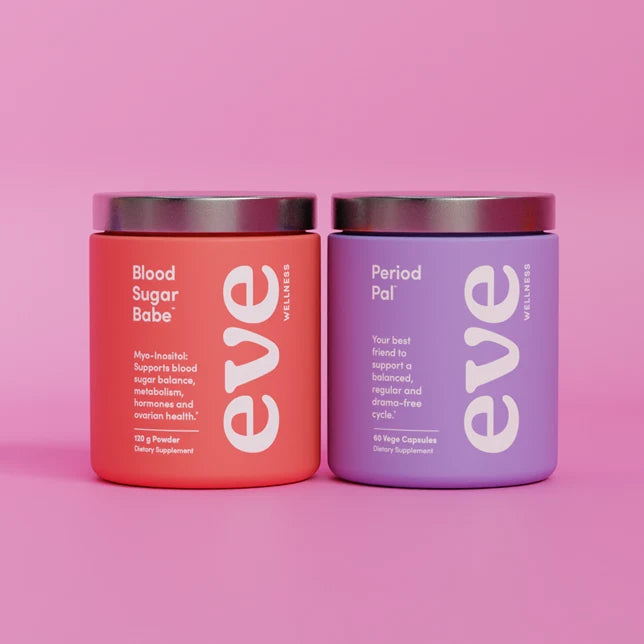
If you’re suddenly starving before your period, it’s not random. It’s hormonal. Across your cycle, your body needs different amounts of fuel. Oestrogen helps keep appetite lower and energy steady. Progesterone increases metabolism, which can make you feel hungrier, especially in the second half of your cycle. What that looks like Period Appetite can go either way. Focus on simple, nourishing, iron-rich foods. Follicular phase Energy and appetite feel more balanced. Lighter, fresh meals tend to satisfy. Luteal phase (pre-period) Hunger ramps up. Cravings are common. Your body needs more fuel, not less. Protein, fats and fibre can help keep things steady. The takeaway Feeling hungrier before your period is normal. It’s your body asking for more energy to support what’s happening hormonally. The goal isn’t to fight it, but to fuel it properly. Want a little extra support? Period Pal - Formulated to support general menstrual cycle health and overall hormonal balance.Blood Sugar Babe - Supports healthy blood sugar metabolism and everyday energy levels. Magnesium - Supports muscle relaxation, nervous system function, and daily stress management. Want the deeper dive on what your hormones are doing across your cycle? Read more here.
Learn more
5 Signs Your Acne is Hormonal
If you’re like us, you probably thought that after the pimply tweenage years, acne was supposed to buzz off. But no. For many of us the acne lives on! In fact, hormonal acne most often occurs between the ages of 20 - 40. But even if you’re 40+ you might not be out of the woods. 30 years of potential pimples? Umm, that’s not what we signed up for. Having tried various approaches to dealing with zits, we’ve found that directing hate towards our little inflamed friends is not the best approach. We invite you to join us by taking a softer approach: one of self-compassion and acceptance. Remember that your spots are just messengers from your body saying that something is up. Don’t shoot the messenger! It’s not your fault, or your body’s fault that you’ve got acne, so have compassion for the trillions of cells that are doing their very best to love and look after you. Instead of blaming your zits, send them some gratitude for letting you know that there’s something your body is asking you to pay attention to, and look a little deeper. In this blog we’re going to take you through 5 clues that your pimply pals are alerting you to give your hormones some love. 1. Your pimple gang generally hangs around your jawline or chin Acne that is linked to androgenic hormones, such as testosterone (our ‘male hormones’), tends to show up in places that grown men develop facial hair—such as the jawline, sides of the face, neck and chin. This can develop what we like to refer to affectionately as a ‘zit beard’. Cute, non? One reason for this is that androgens control stimulation of our oil glands.Higher levels can increase sebum production (the oils we mentioned earlier), which can clog pores in these areas and lead to the inflamed little bumps we all know and love. 2. You break out before your period *Small family of zits moves in on chin* Me to me: “Ohh, my period must be coming soon.” Sound familiar? Acne is a common PMS symptom linked to fluctuating and falling sex hormones; as is the case in the few days to week before your period begins. Essentially, both oestrogen and progesterone work together in a see-saw to balance the effects of testosterone and keep sebum production under control throughout the month. When both of these hormones fall away to trigger a bleed, androgens can seize the opportunity to rear their head and host a breakout party for one. This is why it’s common to experience your worst acne flare ups during the week before your period (as if you didn’t have enough going on already that week). If you aren’t already paying attention to the different symptoms that occur during the different phases of your cycle, a cycle tacker such as Flo or Clue makes it super quick and easy to do so. You may find that you begin to notice patterns that may indicate some hormonal imbalances. If this happens, we’ve got your back. 3... or about halfway through your cycle The androgens we talked about earlier don’t fluctuate too much throughout your cycle, and stay at reasonably similar levels except for one time: ovulation. In females, testosterone gets itself all excited and spikes around ovulation, which is when an egg is released from the ovary and occurs around day 14 of a regular 28-day cycle. Ovulation is also the time where you are most fertile, which is where the testosterone spike comes in—a subtle nudge from mother nature to get busy in the name of reproduction. So, if you experience a few chin or cheek zits around the middle of your cycle, this slight surge in androgen activity may be why. While we realise that you may not be in love with your mid-month zits, they’re not necessarily a bad thing. They’re just a sign from your body that you probably ovulated that month, which is great news and a biological miracle! So try to look upon these spots with admiration for the amazing things that your body is capable of. 4. You've recently stopped taking the pill When we take the pill, our sebum (skin oils) are suppressed to ‘childhood’ levels. Which is also how the pill can make your skin as clear as it was at primary school. Healthy adult skin responds to this by putting sebum production into overdrive in an attempt to find balance. Unfortunately, when you stop taking the pill, your skin doesn’t immediately get the memo and this overdrive production can persist for months after you stop taking the pill. As your ovaries kick back into action and your own sebum production ramps up, you end up having twice as much potentially-pore-blocking sebum on the go. This is a result of androgens (e.g. testosterone) surging temporarily while your ovaries are waking back up and remembering what to do. Fear not, this too shall pass given time. Oestrogen helps to reduce sebum production and progesterone helps keep testosterone in check, so once these gals are back on their feet things should resolve themselves. To help your skin along the way try to reduce inflammatory foods such as sugar and dairy, and make sure you’re taking a good zinc supplement as this nutrient plays an important role in ovarian function, and can help in blocking excess androgens. 5. Your stress level is 100 Bit stressed hon? We know of cortisol as our ‘stress hormone,’ but it’s actually crucial for a whole range of functions in the right amounts. Have you ever noticed that you are more susceptible to breakouts when going through a particularly stressful period in life, or when you’re not getting enough sleep? In both of these instances, cortisol is the first hormone to the party. Cortisol prepares the body to ‘fight or flight’ in response to real or perceived stress. One way it does this is through releasing glucose (sugar) into the bloodstream. High blood sugar = high insulin = increased androgen activity = inflammation = acne. High stress levels and clear, glowing skin just don’t mix.
Learn more
10 Ways To Boost Your Libido
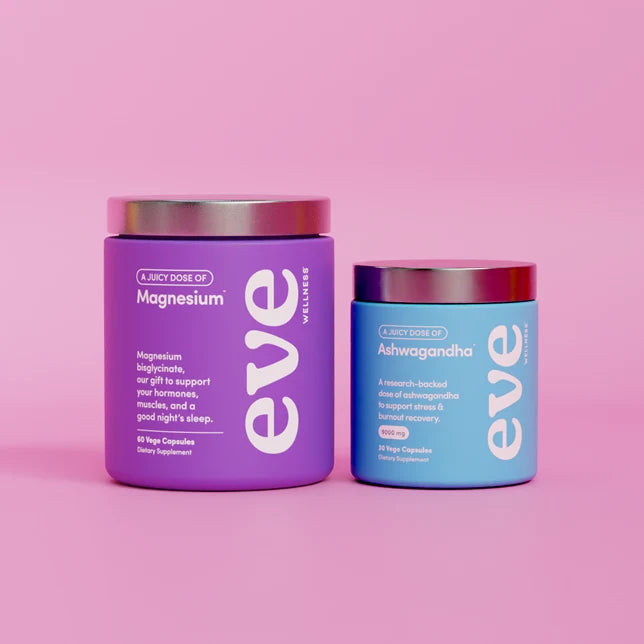
Human beings have two basic instincts: one is to eat, the other is to have sex. While, there is no set definition of what constitutes a “normal” libido, or how often you should feel like having sex, everyone deserves (and wants) a healthy, satisfying and fun sex life; both for your own enjoyment and to keep your relationship strong. Bear in mind that we are cyclical beings, so having times where you just don’t feel like getting jiggy is normal, healthy and usually nothing to worry about. But if these libido-droughts are turning into months or years, are starting to affect your self-esteem, sexuality or relationship; it might be time to check your hormones and take some action, in order to get some action. Here are 10 ways to support your natural libido and sex drive. 1. Move that body Daily movement is recommended for good health for approximately a gazillion different reasons. It gets your blood flowing, lymphatic system moving, supports cardiac health and relieves stress when done mindfully and in the right doses. One of the best ways that exercise supports sex drive is through supporting healthy testosterone levels in both men and women. Resistance training in particular is particularly effective in this department for women (and men) while studies show that HIIT training can help maintain testosterone as well, but only for those endowed with penises. When it comes to exercise, we do give one warning: beware of the dangers of overdoing it. Your libido will love regular movement, but it won’t love you pushing your body too hard. After all, you want to have some physical energy left to use between the sheets. 2. Get your zzz’s in If there’s one thing that every health expert will agree on, its that sleep is a pretty big deal when it comes to every aspect of good health. It’s really no surprise that this includes a healthy libido. Both lack of sleep and poor sleep quality kill your sex drive in several ways. In the most basic sense, if you’re exhausted, you're probably going to want to sleep it up rather than sex it up. For starters, the majority of your testosterone is produced during your deepest, most restorative phases of sleep. If you’re not doing enough time in this deep sleep state, you’re won’t be getting optimal testosterone production either. If you need help in the sleep department, check out our blogs on sleep & your hormones, and tips for the best sleep of your life. 3. Get some adaptogens on board: Maca & Ashwagandha Some adaptogens are traditionally used to support energy and vitality. Two popular options in this space are maca root powder and ashwagandha. Maca is a Peruvian root traditionally consumed to support overall stamina and vitality. What is maca? It comes from a Peruvian root that was traditionally eaten to improve many areas of health including stamina, power, and - you guessed it - libido. Maca has an almost caramel-like flavour, so it pairs well in a smoothie with a cacao or vanilla, banana and nut butter kind of vibe. Ashwagandha on the other hand is basically the MVP of ayurvedic adaptogens. By helping the body adapt to daily stress, ashwagandha is a wonderful addition to a balanced wellness routine. 4. Eat fats Fats make up the building blocks for our hormones. If you are following a fat diet, or are not making sure to get enough healthy fats in, you’ll be making low levels of hormones and thus wanting low levels of sex. To make sexy hormones make sure you’re getting plenty of the right kind of fats: avocado, salmon, nuts, seeds, olive oil & coconut. An added bonus of eating fats is that they also support stable blood sugar levels - another key to beautifully balanced hormones. 5. Up your zinc One of the many reasons we love zinc is the way in which it supports regular, ovulatory cycles in women. This wonder-mineral nourishes ovarian follicles (eggs) and promotes ovulation, which we know is essentially the ‘on-switch’ for female sex hormones. In men, zinc is essential for testosterone production and there have been many studies to show the close relationship these two share. Zinc plays a key role in supporting general reproductive health and cellular function in both men and women. 6. Sort your stress We’ve said it before and we’ll say it again: nothing kills your libido like stress does. While your adrenal glands are busy pumping out stress hormones, your nervous system is geared towards survival - not sex. 7. Focus on intimacy Whatever this looks like for you, the little intimate moments you share with your partner are more important for a healthy libido than you might realise. The snuggle first thing in the morning, the cute text during the day and the kiss planted from behind while you’re cooking dinner; it’s the small acts of affection that lay the foundations for the bigger things. The reality is, many of us need to feel loved and connected before we feel desire. As a general rule of affection - if you want more, give more. 8. Tag team the chores There’s a common misconception that intimacy starts in the bedroom, but it doesn’t. It starts long before that. For women (and some men), being aware of all the chores that need doing is enough to turn them right off. Those piles of crusty dishes and dirty clothes are not sexy... Environment plays a big part in helping us to feel safe and calm stress. If your environment looks like a physical to-do list, intimacy is not going to be a priority. And nothing kills the mood more than resentment towards an uneven distribution of household tending to, and the persisting tiredness from doing it all. How to get your partner to help out? Tell them how sexy they look when they do the dishes. Tell them how it makes you feel safe and provided for. Or, if you have the means, outsource these chores for the sake of your sex life. But seriously though. And hey, you might find that watching your partner do the dishes and clean the kitchen is a bit like watching them hold a baby or fix your car. It’s a totally non-sexual-turn-on that may have you both abandoning the sink - suds and all - to head to the boudoir. 9. Tech-free bedroom You know what’s hot? Undivided attention. Research suggests that we’re all having way less sex now than the generations before us did, and they’re fairly certain the small, rectangular devices that follow us everywhere have a lot to do with it. If lying in bed together scrolling different screens is a regular occurrence for you and your beloved, it might be worth thinking about whether this precious quality time could be better spent talking about your days, or generally connecting more on an emotional or physical level. Charge your phones in the living room and buy an alarm clock. Easy. 10. Have sex In some cases, you don’t want sex because you’re not having enough of it. Sure, you might not feel like it. But one of the best ways to want it (tried and tested by some of the Eve team too) is to have more of it. Orgasms (and the wonderful release of oxytocin, dopamine, and serotonin that goes with them) help release beneficial neurochemicals and support healthy hormone balance naturally.
Learn more
Weight Loss & Hormones: What You Need to Know
You can only gain weight from taking in more calories than you’re burning, it’s just simple math right? Wrong. There’s actually a lot more to it – We are so much more complex than that. The age-old calories in/calories out hypothesis doesn't tell the whole story, yet still remains one of the greatest misconceptions we have about diets, nutrition and weight loss to date. One factor that's often overlooked in weight loss resistance is hormones. And there’s a lot of them involved: Sex hormones; Stress hormones; Blood sugar and metabolism regulating hormones; Mood hormones and more. Many people who struggle with their weight may also be dealing with some kind of hormone imbalance. Don’t misunderstand us; calories do matter, but hormones matter too. Maybe even more. Hormones & weight: What's the deal? First things first, let's get something straight. We want you to know that your self worth, beauty or value as a person, has absolutely nothing to do with the size or shape of your body. However, we can definitely understand the frustration of feeling like your clothes are only getting tighter, despite generally eating well and exercising. The above scenario can fuel a toxic spiral of eating even less and exercising even more; all while getting caught up in a bundle of blame, self hate and negative thoughts. We don’t have to tell you that this is far from living your best life. In any weight loss journey, calories are just one piece of the puzzle. Our energy intake is important, but not as important as our hormones. Calories provide energy, and our hormones control just how efficiently this energy translates to body fat. When our bodies are healthy and hormones nicely balanced, it’s amazing just how easily our weight takes care of itself. Hormones at play Hormones are chemical messengers in the body that tell our cells what to do. From a physiological standpoint, these instructions are pretty crucial for telling our bodies what to hold on to for dear life and what to burn for energy. Here’s what you need to know about some of the key stress and sex hormones involved in weight gain, loss and regulation: Cortisol Our bodies’ top priority at all times is - understandably - survival. Famine and predators are the two top threats your body is keeping watch for at all times. Cortisol, our survival hormone, is released in times of stress to help us survive. We talk a lot about cortisol, and for good reason - as for many of us, living in a state of stress has become somewhat ‘normal.’ When your brain gets the impression that your life is in danger and subsequently activates cortisol production, it really couldn’t care less about those jeans you’d love to fit into. Cortisol helps to safeguard your future by: Breaking down your muscle tissue for fast fuel (glycogen) in case you need to escape fast; Driving fat storage, particularly around your essential organs in order to keep them functioning in case you don’t have access to food for a while. If you feel as though your body mostly stores and clings onto weight around your middle, this could be why. In the process of activating cortisol production, it will also down regulate your sex hormone production to prioritise your survival over reproduction. If the world isn’t even safe for you, how could a baby possibly survive? This means that if your cortisol levels are out of whack; you can pretty much guarantee your sex hormones will be out of balance as well. To support optimal cortisol levels: Take action to reduce all forms of stress in your life; Prioritise sleep - aim for at least 8 hours per night. Sleep deprivation is one of the most common causes of elevated cortisol; Consider taking a quality magnesium supplement or adaptogenic herbs to support your nervous system in times of stress. Oestrogen Oestrogen gets a pretty bad rap for being associated with stubborn weight gain, particularly around our hips, thighs and butt. This can be the case, but this is only true when we have an oestrogen dominance picture at play. The truth is, oestrogen supports healthy mood and sleep and is really important for skin, bone health, insulin sensitivity, metabolic rate and libido. True, too much oestrogen can contribute to weight gain, but too little oestrogen can as well. With oestrogen we want to find the sweet spot. It should rise during the first half of our cycle, find its peak at ovulation, then drop off and let progesterone dominate for the rest of the month. To support optimal oestrogen levels: Eat your greens, especially cruciferous vegetables that support detoxification of oestrogen we have used and no longer need; Reduce your exposure to oestrogen mimicking xenoestrogens found in plastics, cosmetics, pesticides and soy products; Maintain a healthy level of body fat for your unique body. Low body fat is the number one cause of low oestrogen levels. Progesterone Progesterone is the balancing and calming hormone that’s released after we ovulate and acts as the dominant hormone for the second half of our cycle (also known as the luteal phase). Progesterone plays a role in how your body manages energy and fat storage. One of the ways it does this is by slightly warming your core body temperature-meaning your energy needs may shift a little after ovulation, and for the rest of your cycle. Progesterone also helps keep our oestrogen levels in check. Another reason we love progesterone is its calming and relaxing effect on the body, that soothes the mind and helps us sleep. We probably don’t need to tell you that sleep is oh so important for building and repairing muscles and regulating stress and hunger hormones. To support healthy progesterone production: Reduce stress where you can. This blog will help you identify stressors to focus on; Eat enough food, especially the right kinds of carbs. This prevents your body from going into ‘famine-mode’; Make sure you’re getting enough essential nutrients, particularly vitamin B6, magnesium, iodine, selenium and vitamin D. These nutrients all support ovulation, which is essential for happy progesterone levels. Testosterone Yes, women have testosterone too, just in much smaller amounts than men and it happens to be our best friend for building muscle mass. With lower than optimal testosterone levels, we can become a little softer around the edges and feel as though we aren’t making any progress despite our best weight training efforts. Low testosterone can also show up as low energy, weight gain and irregular menstrual cycles. Too much testosterone, however, is linked to insulin resistance, PCOS and increased body fat. Like oestrogen, we need testosterone. But we need it in the right amounts. To support healthy testosterone levels: Ensure you are getting enough healthy fats in your diet such as avocados, oily fish, nuts, and the ‘good kind’ of oils such as olive, coconut and avocado oil; Focus on strength-based workouts such as weight training, pilates and body weight exercises, which support healthy testosterone levels; Ensure you are getting adequate amounts of key nutrients such as vitamins A, C, E and K, magnesium and zinc, all of which are important for testosterone production.
Learn more
5 Hormone Imbalances That Can Make You Infertile
As per basic human biology, to get pregnant we need an egg and a sperm; and they need to meet. However, for many couples, this process isn’t quite as straightforward as it sounds. To have an egg, we first need to ovulate, and to ovulate, we need our sex hormones to be beautifully balanced and in sync with one another. We then need strong, healthy sperm to reach the egg. Hormones are super important here too. And finally, our uterine lining needs to be thick and stay in place long enough for a fertilised egg to make itself at home. You guessed it, our hormones look after this too. If you’re keen on the science: In the first few days of the menstrual cycle, low oestrogen tells FSH (follicle stimulating hormone), to make ovarian follicles grow. These developing follicles then produce oestrogen in the ovaries. This oestrogen thickens the lining of the uterus, making it nice and cosy for an embryo. As oestrogen levels rise, the brain chooses one main egg to keep growing, which will be released into the fallopian tubes. Provided oestrogen stays consistently high for about 30-40 hours, LH (luteinizing hormone) spikes, triggering a release of the egg out of the ovary within 10-12 hours. This is ovulation. Oestrogen has done its job and progesterone takes over from here. Low Oestrogen Essentially, oestrogen makes things grow. It is crucial for fertility as it is the hormone that thickens our uterus lining and drives ovulation. When oestrogen levels are lower than optimal, ovulation might be patchy month-to-month, or you may not ovulate at all. Low oestrogen levels may also prevent the lining of the uterus from thickening enough for an embryo to implant. Both of these can contribute to infertility in women. Lower oestrogen levels may be the result of: Menopause Excessive exercise Being underweight or having very little body fat Thyroid disorders A poorly functioning pituitary gland High Oestrogen Oestrogen is essential for ovulation and fertility, but more isn’t always the answer. Higher oestrogen is common in both endometriosis and PCOS (polycystic ovarian syndrome), two of the most common medically diagnosed conditions that affect female fertility. Endometriosis is not a hormonal condition itself, but we know that oestrogen helps to grow the inflammatory tissue that causes pain and affects fertility. In PCOS, high testosterone is often converted into oestrogen, leading to higher estrogen or oestrogen dominance. As a result, those with PCOS can have trouble with absent or irregular periods, and may ovulate infrequently or not at all. Naturally, this can make it much more difficult to get pregnant. Higher oestrogen in men is also a problem when it comes to fertility, leading to erectile dysfunction and penis shrinkage (yes you read that right). Higher oestrogen levels can be the result of: Exposure to oestrogen mimicking chemicals in our environment (think beauty products, cleaning products, pesticides and other toxins); Poor gut health and digestion; Sluggish detoxification pathways, including the gut and liver; Poor nutrition and nutrient deficiencies. Low Progesterone After ovulation, we get a lovely surge in progesterone, which either tells the uterine lining to shred (hello period), or whether to stay and nurture a developing pregnancy. Progesterone is our “pro-gestation” hormone that aids development of the fetus throughout pregnancy and helps your body to use its fat reserves for energy, it’s kind of a big deal when it comes to fertility. When progesterone is lower than optimal, it’s a fairly good sign that you aren’t ovulating, making it impossible to get pregnant (no ovulation = no egg = no baby). Even if you are ovulating, lower progesterone can make it difficult for your body to stay pregnant. In a luteal phase defect, progesterone doesn’t quite reach the level it should after ovulation and sheds the uterine lining earlier than we would like. This means that even if there is a fertilised embryo, it doesn’t get a chance to implant into the lining, a process that takes around 7 days. Low progesterone can be caused by Not ovulating Stress Excessive exercise Undereating or restrictive diets Low Testosterone Yes, women have testosterone too and scientists tend to agree that it is super important for female fertility. Research suggests that testosterone plays a crucial role in follicular development, preventing follicles from dying before they can mature. Additionally, testosterone makes ovarian cells more sensitive to FSH (follicle-stimulating hormone), helping the follicles to grow and produce oestrogen. Testosterone has been proven to be so beneficial in female fertility (in the right quantities), that it is even used in some cases of IVF treatment. Testosterone in women is also essential for sexual desire and satisfaction. It goes without saying that this is pretty useful when it comes to baby-making. As you might expect, lower than optimal testosterone also affects male fertility, leading to decreased sex drive, erectile dysfunction and low sperm count. Scientists have found that sperm counts in the western world have dropped more than 50% in the past 40 years and the rate of decline is showing no signs of slowing. The decline is likely due to increased oestrogen and decreased testosterone due to lifestyle and environmental factors. High Androgens Androgens are a group of hormones that include testosterone and its metabolites, DHEA-S, DHEA and androstenedione. In women, these are produced in the ovaries, adrenal glands and fat cells. While low testosterone can affect fertility, having too much testosterone (or other androgens) can make things difficult as well - a common theme when it comes to hormones! High androgens in women is commonly associated with excess insulin, which impairs ovulation and tells the ovaries to make testosterone instead. This is a major cause of PCOS, characterised by weight gain, irregular or absent periods, acne, unwanted hair growth and infertility. In a nutshell, if pregnancy is something you’re hoping to welcome into your world soon or at some point in your life, it’s certainly worth taking a look at how each of these precious hormones are sitting at in your body. As you can see, they all play a crucial part for both men and women in fertility.
Learn more